
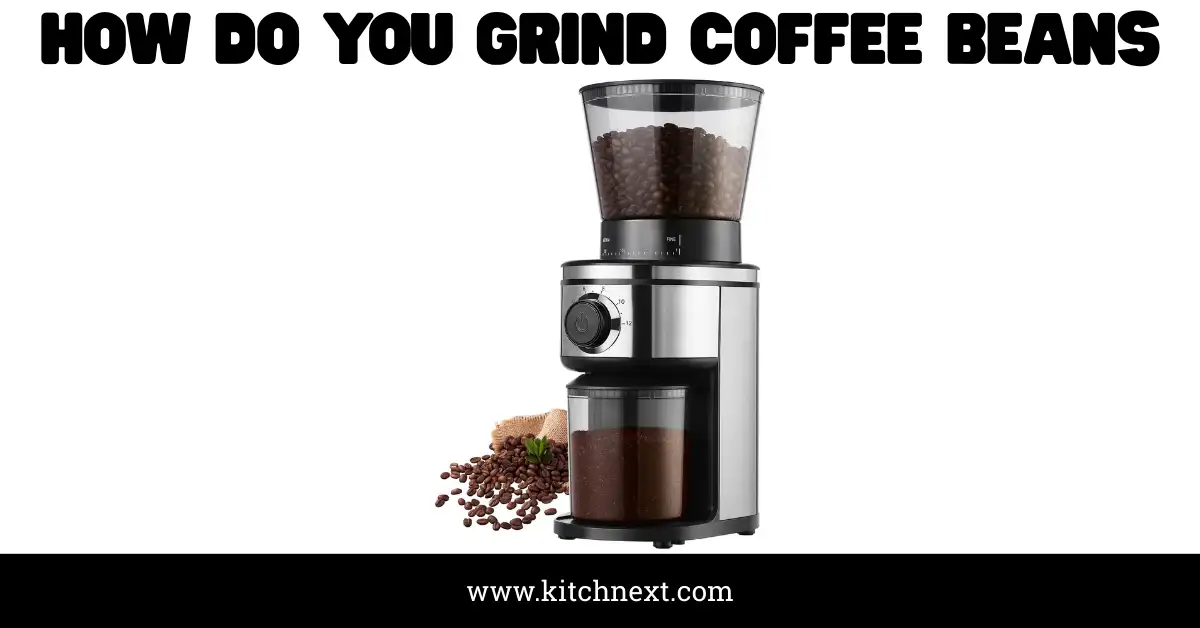
You know that perfect cup of coffee starts with fresh beans, but do you really know how to grind them the right way? Grinding coffee beans might seem simple, but the truth is, it can make or break your brew.
If you want to unlock rich flavors and enjoy every sip, understanding the grind process is key. Keep reading, and you’ll discover easy tips to grind your beans like a pro—so your coffee tastes amazing every single time.
Table of Contents
Choosing The Right Grinder
Grinding coffee beans is a key step for fresh coffee. The grinder you pick affects taste and texture. Different grinders suit different needs. Some are simple and cheap, others are more precise and costly.
Selecting the right grinder saves time and improves your coffee experience. Learn the options to make a smart choice.
Blade Grinders
Blade grinders use a spinning blade to chop beans. They are affordable and easy to use. The grind size can be uneven. Good for drip coffee or French press. Not ideal for espresso which needs fine, consistent grounds.
Burr Grinders
Burr grinders crush beans between two burrs. They give a uniform grind size. You can adjust the grind from coarse to fine. Best for most brewing methods. They cost more but improve coffee flavor.
Manual Vs Electric Grinders
Manual grinders need hand power to grind beans. They are quiet and portable. Electric grinders work fast and need less effort. Choose manual for travel or low budget. Electric grinders suit daily use and larger amounts.
Types Of Coffee Grinders
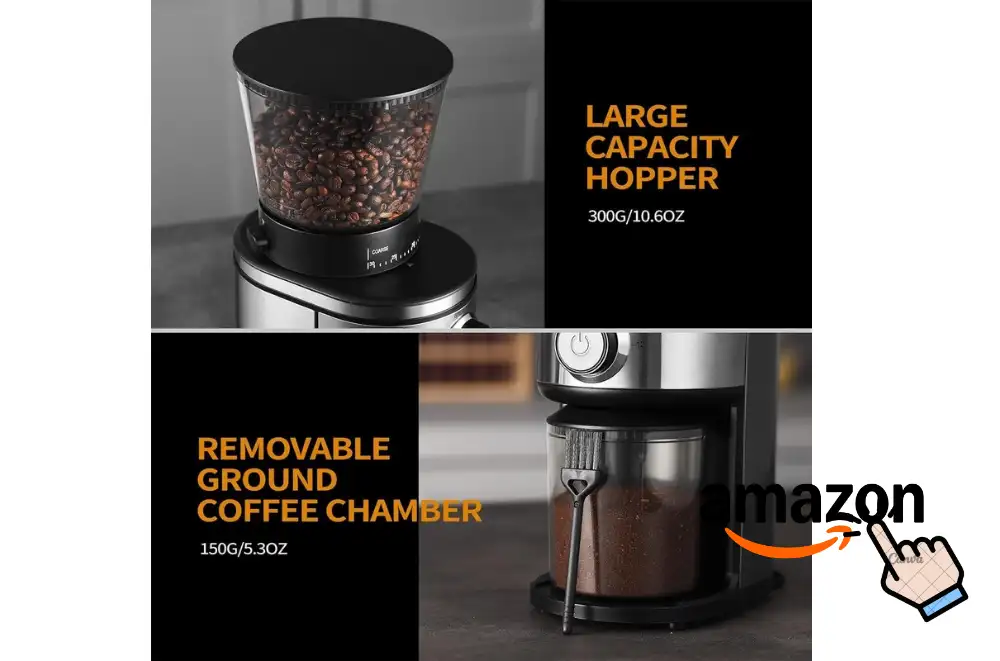
Choosing the right coffee grinder affects your coffee taste a lot. Different grinders give different grind sizes. This changes how water extracts flavor from the coffee. Understanding grinder types helps you pick what suits your brewing style. Two main types of grinders exist: blade grinders and burr grinders. Each works differently and has unique benefits.
Blade Grinders
Blade grinders use a spinning blade to chop coffee beans. They look like small blenders. They are usually less expensive than burr grinders. The grind size can be uneven because the blade cuts beans randomly. This may cause some coffee to taste bitter or weak.
Blade grinders work well for quick and simple grinding. They are easy to use and clean. However, they do not offer precise control over grind size. This can affect the flavor quality of your coffee.
Burr Grinders
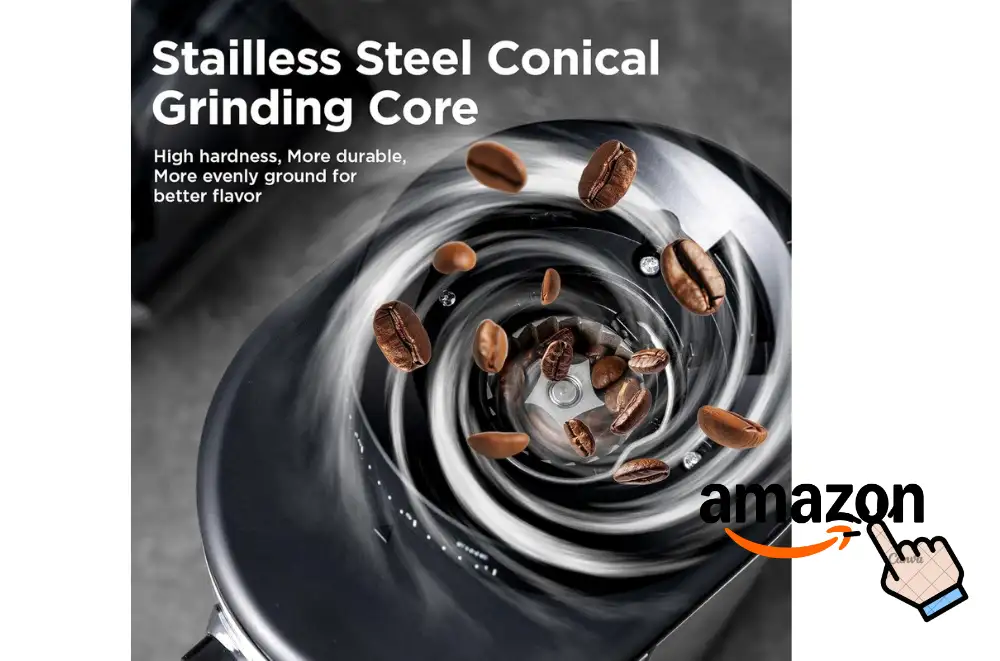
Burr grinders crush coffee beans between two rough surfaces. They create uniform grind sizes. This helps extract flavor evenly during brewing. Burr grinders allow you to adjust the grind size easily. This suits different brewing methods like espresso, drip, or French press.
Burr grinders usually cost more than blade grinders. They are preferred by coffee lovers seeking better taste. These grinders keep beans cooler, preserving aroma. They also produce less noise than blade grinders.
Grind Size And Coffee Brewing Methods
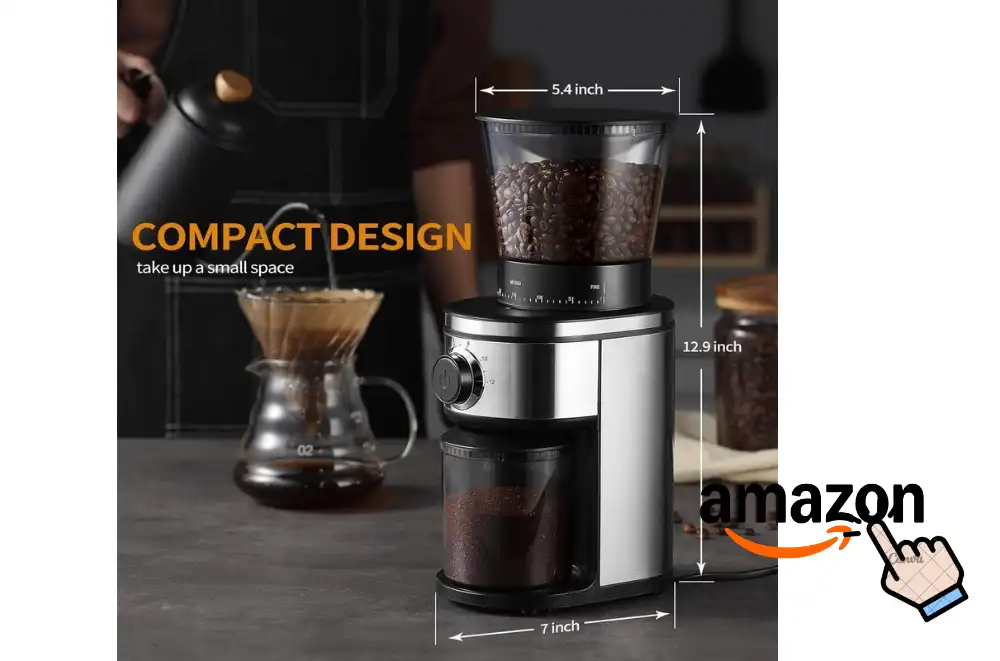
The size of coffee grounds plays a big role in how your coffee tastes. Different brewing methods need different grind sizes. Choosing the right grind size helps you get the best flavor and strength from your coffee beans.
Grind size controls how fast water passes through the coffee. Too coarse or too fine can make your coffee weak or bitter. Knowing which grind size matches your brewing method makes a big difference.
Coarse Grind For French Press
French Press uses a metal filter and full immersion brewing. A coarse grind works best here. It looks like sea salt, with big, chunky pieces. Coarse grounds stop from passing through the mesh filter. This keeps your coffee clear, not muddy. It also helps water flow slowly, giving a smooth taste.
Medium Grind For Drip Coffee
Drip coffee makers use paper or metal filters. A medium grind fits this method perfectly. It feels like sand, not too fine or coarse. Medium grind allows water to flow at the right speed. This balance extracts good flavor without bitterness or weak taste. Most drip coffee machines work well with medium grind.
Fine Grind For Espresso
Espresso needs high pressure and fast extraction. Fine grind works best here. It looks like table salt or sugar. Fine grounds pack tightly, letting water pass slowly under pressure. This creates a strong, rich shot with crema on top. Too coarse grind makes espresso weak, while too fine can block the machine.
Measuring Coffee Beans
Measuring coffee beans is a key step before grinding. It controls the strength and taste of your coffee. Too many beans make the coffee strong and bitter. Too few beans make it weak and watery.
Using the right amount helps keep the flavor balanced. It also helps to use your grinder efficiently. Accurate measuring avoids waste and saves money over time.
Using A Coffee Scoop
A coffee scoop is a simple tool for measuring beans. Most scoops hold about one tablespoon of coffee. This equals roughly 5 to 7 grams of beans. One scoop is usually enough for one cup of coffee. Scoops help keep your measurements consistent.
Weighing Beans With A Scale
A kitchen scale gives the most precise measurement. Place your empty container on the scale first. Tare the scale to zero. Add beans until you reach the desired weight. For a standard cup, use about 10 to 12 grams of beans. Scales reduce guesswork and improve brewing results.
Measuring By Volume
Measuring beans by volume uses a measuring cup or spoon. This method is less accurate than weight. Beans vary in size and density. A tablespoon of beans may weigh differently each time. Use volume measuring only if a scale is not available.
Grinding Techniques
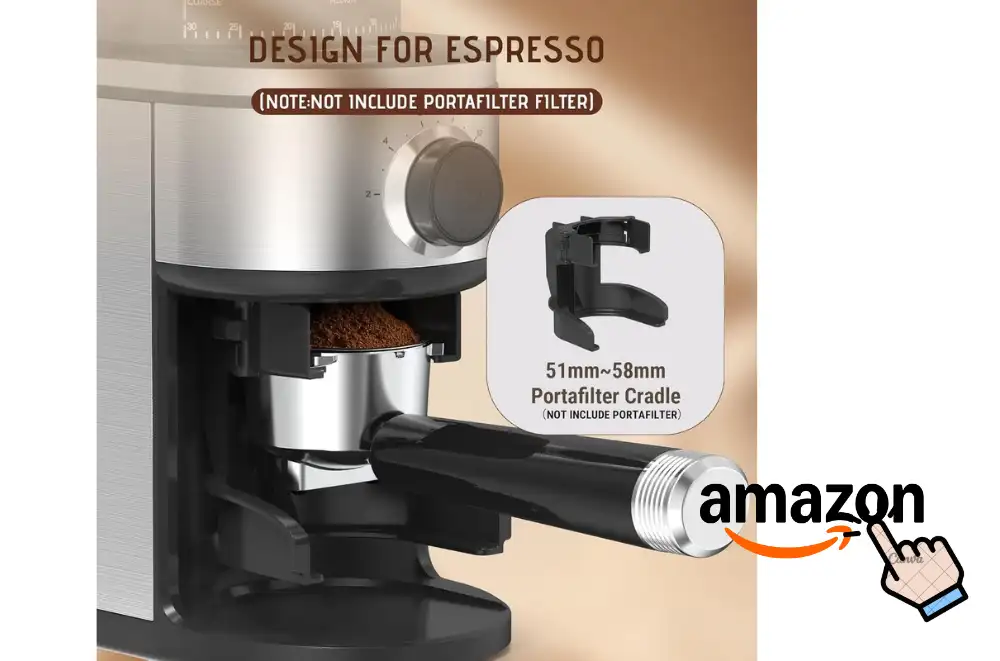
Grinding coffee beans is a key step in making great coffee. The way you grind affects the taste and strength of your brew. Different techniques give you different results. Choosing the right method helps you get fresh, even grounds. This section explains two common grinding techniques. Understanding these will improve your coffee experience.
Pulse Grinding
Pulse grinding means grinding coffee in short bursts. You press the grinder button for a second or two, then stop. This allows you to control the grind size better. It helps avoid overheating the beans. Overheating can change the flavor of the coffee. Pulse grinding is good for small amounts of coffee. It also helps if you want a coarser grind.
Continuous Grinding
Continuous grinding means holding the grinder button down until all beans are ground. This method is faster and good for larger amounts. It creates a more consistent grind size. But it can cause the grinder to heat up. Heat might affect the coffee’s natural flavor. Use continuous grinding for finer grinds, like espresso. Be careful not to grind too long to keep the taste fresh.
Adjusting Grind Consistency
Adjusting grind consistency is key to brewing great coffee. The grind size affects the flavor and strength. Too fine or too coarse can ruin the taste. Finding the right grind size helps control extraction time and flavor balance.
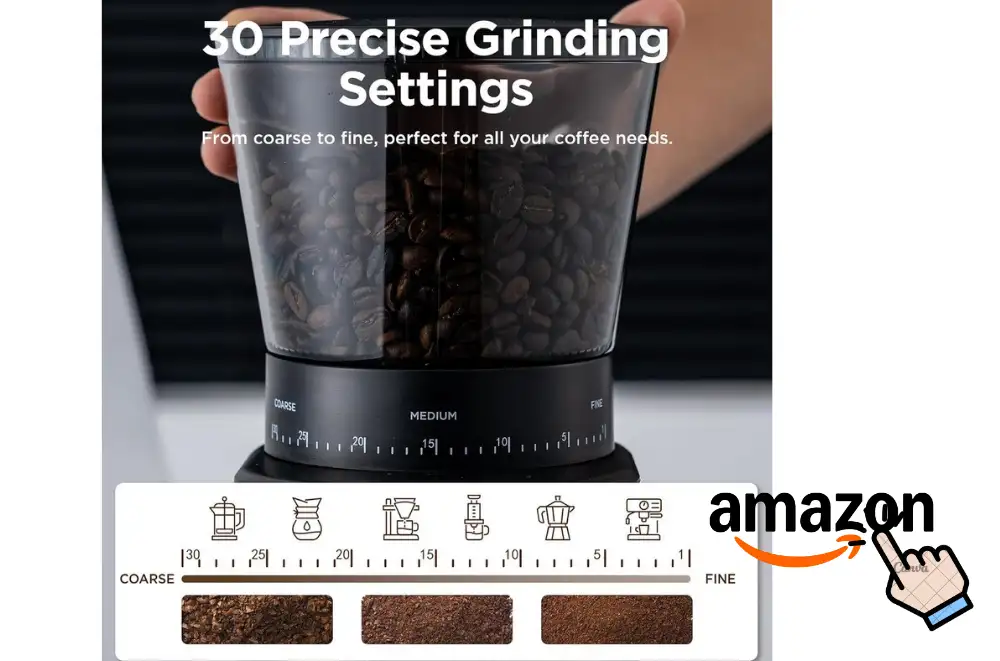
Different brewing methods need different grind sizes. Espresso needs a very fine grind. French press calls for a coarse grind. Adjusting grind consistency matches the grind to the brewing style.
Understanding Grind Settings
Most grinders have settings from fine to coarse. Changing the setting changes the size of the coffee particles. Start with a middle setting. Test the coffee and adjust from there. Small changes make a big difference in taste.
Using The Right Grinder
Burr grinders offer better control over grind size. Blade grinders are less consistent and harder to adjust. Choose a grinder that allows precise grind size changes. This helps maintain grind consistency easily.
Testing And Tasting
Grind a small amount and brew a test cup. Taste the coffee and note the flavor. Adjust the grind size based on taste results. Repeat testing until the coffee tastes just right.
Maintaining Consistent Grinding
Clean your grinder regularly to avoid old grounds mixing. Check settings before every grind. Consistency in grind size ensures stable coffee flavor every time. Small habits lead to better coffee results.
Grinding Freshness And Timing
Grinding coffee beans just before brewing keeps the coffee fresh and tasty. Coffee starts to lose flavor once it is ground. The oils and aromas escape quickly after grinding. Fresh grinding means you get the best flavor and smell.
Timing is important too. Grinding too early can make coffee taste flat or stale. Grinding right before brewing keeps the flavor strong and bright. It also keeps the coffee’s natural oils intact.
Why Grind Coffee Beans Fresh?
Fresh grinding keeps the coffee’s flavor vibrant. Ground coffee loses aroma fast after exposure to air. Grinding just before brewing captures all the fresh notes. This gives a better taste in every cup.
How Long Does Ground Coffee Stay Fresh?
Ground coffee starts losing freshness within minutes. After 15 to 30 minutes, the flavor fades noticeably. Within hours, the coffee tastes dull and less aromatic. Grinding only what you need saves flavor and aroma.
Best Time To Grind Coffee Beans
Grind beans right before you brew. This ensures the freshest taste. Avoid grinding coffee hours or days before brewing. Fresh grinding keeps the oils and flavors at their best. It also improves the overall coffee experience.
Common Grinding Mistakes To Avoid
Grinding coffee beans seems simple. Yet, many make mistakes that spoil the flavor. Avoiding these errors improves your coffee taste. Fresh coffee deserves proper grinding. Learn common mistakes to skip.
Grinding Beans Too Coarse Or Too Fine
Grind size affects extraction and taste. Too coarse means weak, watery coffee. Too fine causes bitterness and clogging. Match grind size to your brewing method.
Using Old Or Stale Beans
Old beans lose flavor quickly after grinding. Grinding stale beans gives flat, dull coffee. Use fresh beans and grind just before brewing.
Grinding Too Much Coffee At Once
Grinding large amounts wastes freshness. Ground coffee loses aroma fast. Grind only what you need for each brew.
Not Cleaning The Grinder Regularly
Leftover coffee oils build up inside grinders. This causes stale tastes and uneven grinding. Clean your grinder often for fresh results.
Using The Wrong Grinder Type
Burr grinders give even, consistent grounds. Blade grinders produce uneven sizes. Choose a burr grinder for better coffee quality.
Cleaning And Maintaining Your Grinder
Cleaning and maintaining your coffee grinder is key to great coffee. A clean grinder keeps flavors fresh and stops old coffee oils from building up. Dirt and dust can block the grinder and change the taste of your coffee.
Regular care helps your grinder work well for a long time. It also prevents damage and saves money on repairs. Taking a few minutes to clean your grinder can make a big difference.
How To Clean The Burrs
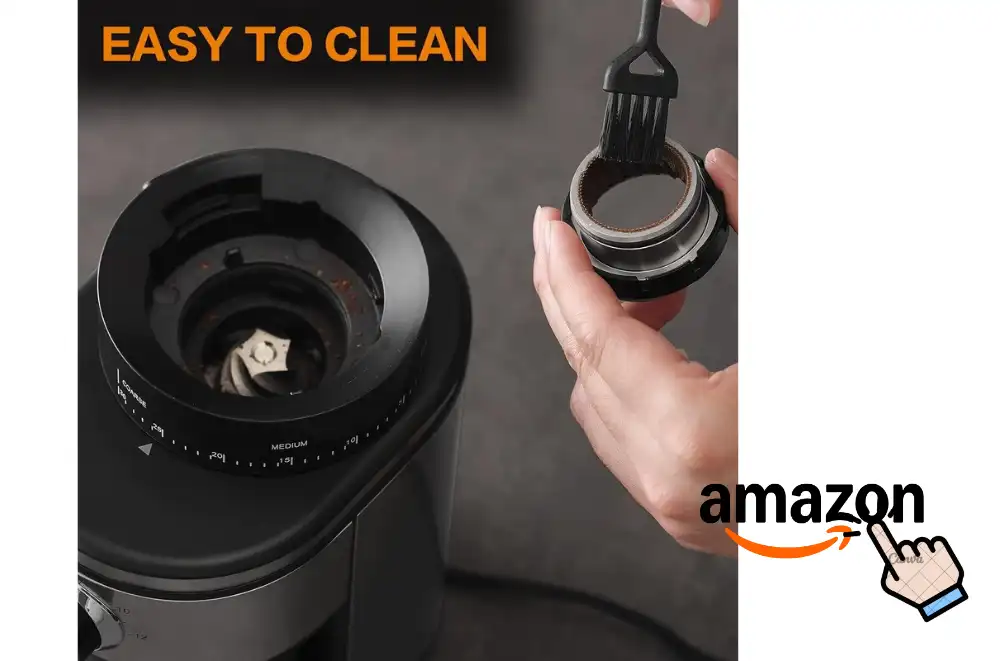
Remove the burrs carefully before cleaning. Use a small brush to clear out coffee grounds. Avoid water on burrs to stop rust. Wipe with a dry cloth to remove leftover dust. Clean burrs after every 1-2 weeks of use.
Cleaning The Hopper And Catch Bin
Empty the hopper and catch bin regularly. Wash them with warm, soapy water. Dry them completely before putting back. This stops old coffee oils from spoiling fresh beans. Clean these parts every week for best results.
Deep Cleaning With Grinder Cleaner Pellets
Grinder cleaner pellets help remove stuck coffee oils. Run them through the grinder like beans. Then grind some fresh beans to clear leftovers. Use pellets once a month or after heavy use. This keeps your grinder running smoothly.
Tips To Maintain Your Grinder
Keep the grinder dry to avoid damage. Store it in a clean, dry place. Check screws and parts for tightness regularly. Avoid grinding oily or flavored beans often. Follow the manufacturer’s cleaning instructions for best care.
FAQ: How Do You Grind Coffee Beans
What Is The Best Grind Size For Coffee Beans?
The best grind size depends on your brewing method. Coarse grinds work well for French press, while fine grinds suit espresso. Match the grind size to your coffee maker for optimal flavor.
How Do You Grind Coffee Beans Without A Grinder?
You can use a blender, mortar and pestle, or rolling pin. Grind beans in short bursts to avoid overheating. It may not be as even but works in a pinch.
How Long Should You Grind Coffee Beans?
Grind time depends on your method and grinder type. Typically, 10-30 seconds is enough for most electric grinders. Avoid overgrinding to prevent bitter coffee.
Can You Grind Coffee Beans In Advance?
Grinding beans ahead of time reduces freshness and flavor. It’s best to grind just before brewing for a richer taste. Store any ground coffee in an airtight container to keep it fresh.
What Are The Types Of Coffee Grinders Available?
There are blade grinders and burr grinders. Blade grinders chop beans unevenly, while burr grinders crush them consistently. Burr grinders are preferred for better flavor control.
Conclusion
Grinding coffee beans correctly makes a big difference in taste. Choose the right grind size for your brewing method. Use a good grinder to get even grounds. Freshly ground beans give the best flavor and aroma. Practice a little to find what works best for you.
Enjoy the process and your perfect cup of coffee every time.