

Are you concerned about the quality of your drinking water? If you rely on your fridge’s water filter, you might be wondering if it can remove fluoride.
Fluoride is added to many water supplies, but some people prefer to avoid it for health reasons. Understanding whether your fridge filter can handle fluoride is important for your peace of mind and well-being. Keep reading to discover the truth about fridge water filters and fluoride removal—so you can make the best choice for you and your family’s health.
Table of Contents
How Fridge Water Filters Work
Fridge water filters clean the water before it reaches your glass. They remove many impurities to make water taste better and safer to drink. Understanding how these filters work helps you know what they can and cannot remove.
Most fridge water filters use a combination of materials to catch particles and chemicals. Water flows through the filter, where contaminants get trapped. Clean water then flows out, ready for drinking.
Activated Carbon Filtration
Activated carbon is the main material in most fridge filters. It has many tiny pores that trap chlorine, bad tastes, and odors. This process improves water flavor and smell. Carbon does not remove all chemicals, but it is very good for common impurities.
Mechanical Filtration
Some filters use a fine mesh or fiber to catch dirt and rust particles. This mechanical barrier stops visible debris from passing through. It helps keep water clear and prevents damage to the fridge’s water system.
Limitations In Removing Fluoride
Standard fridge filters usually do not remove fluoride. Fluoride is a very small ion that passes through typical carbon filters. Special filters with activated alumina or reverse osmosis are needed to reduce fluoride levels.

Common Contaminants Removed
Fridge water filters help improve water quality by removing many common contaminants. These filters make tap water safer and better tasting. They reduce dirt, chemicals, and other unwanted substances. Understanding what contaminants these filters remove helps you decide if they meet your needs.
Chlorine
Chlorine is used to kill germs in water. It often gives water a strong taste and smell. Fridge water filters reduce chlorine, making water taste fresher.
Lead
Lead can enter water from old pipes. It is harmful to health, especially for children. Good fridge filters can lower lead levels effectively.
Mercury
Mercury is a toxic metal found in some water sources. It can cause health problems over time. Certain fridge filters help remove mercury particles.
Rust And Sediment
Rust and sediment come from pipes and water storage. They make water cloudy and gritty. Fridge filters catch these particles, providing clear water.
Volatile Organic Compounds (vocs)
VOCs come from chemicals and pollution. They can cause bad tastes and health risks. Some fridge filters reduce VOCs for safer water.

Fluoride In Drinking Water
Fluoride is a mineral found in many water supplies worldwide. It is added to public water to help reduce tooth decay. Some people worry about the effects of fluoride in drinking water. Understanding fluoride’s role is important for making smart health choices.
Fluoride occurs naturally but is often increased by water treatment plants. The amount of fluoride can vary by location. Some communities have high levels, while others have very little. Knowing the fluoride level in your water helps you decide if you need extra filtration.
What Is Fluoride?
Fluoride is a natural mineral found in rocks, soil, and water. It helps strengthen teeth and prevent cavities. Many toothpaste brands include fluoride for this reason. Fluoride can enter drinking water naturally or be added by public health programs.
Why Is Fluoride Added To Water?
Water fluoridation helps reduce tooth decay in the population. Small amounts of fluoride in water protect children’s developing teeth. It is a low-cost way to improve dental health. Some people have concerns about fluoride safety, but health groups support its use.
Fluoride Levels In Tap Water
Fluoride levels differ by region and water source. Public water systems often add fluoride to reach an optimal level. This level is usually between 0.7 and 1.2 milligrams per liter. Some private wells may have naturally high or low fluoride amounts.
Types Of Filters In Fridges
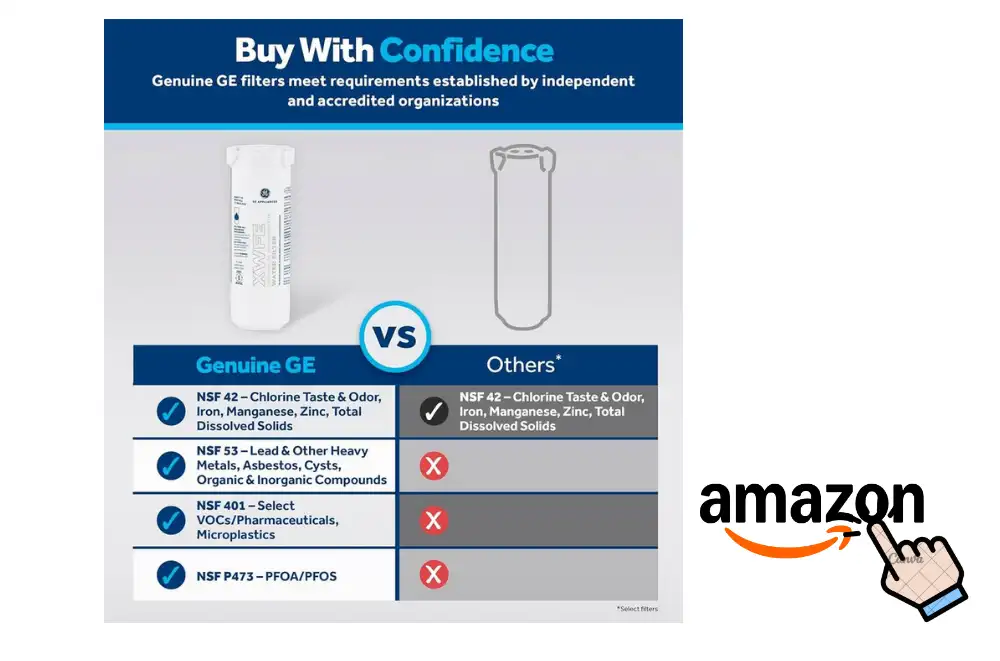
Fridge water filters come in various types. Each type cleans water differently. Understanding these filters helps know what they remove. Some filters target common impurities. Others focus on specific chemicals or tastes. Knowing the filter type clarifies if fluoride is removed.
Activated Carbon Filters
Activated carbon filters are common in fridges. They reduce chlorine taste and odor well. These filters trap many chemicals and impurities. They improve water taste significantly. They do not remove fluoride effectively. Fluoride is too small for these filters.
Reverse Osmosis Filters
Reverse osmosis (RO) filters are powerful. They push water through a fine membrane. This removes many impurities including fluoride. RO filters are less common in fridges. They require special installation and maintenance. RO filters provide very pure water.
Ion Exchange Filters
Ion exchange filters remove minerals like calcium. They soften hard water and reduce metals. These filters can reduce some fluoride amounts. The reduction level depends on the filter design. They are often combined with other filter types.
Ultrafiltration Membranes
Ultrafiltration uses a membrane to block particles. It removes bacteria and some chemicals. It does not remove fluoride well. Ultrafiltration is less common in standard fridge filters. It is mainly used in advanced water systems.
Effectiveness Against Fluoride
Fridge water filters usually do not remove fluoride effectively. Fluoride particles are very small and often pass through these filters. Special filters like reverse osmosis are needed to reduce fluoride in water.
Fridge water filters use activated carbon to trap impurities. They reduce chlorine, bad taste, and odors effectively. But fluoride is a different challenge. It is a small molecule and does not stick well to carbon.
Common Filter Types And Fluoride Removal
Most fridge filters rely on carbon or sediment filters. These do not remove fluoride well. Special filters like reverse osmosis or activated alumina are needed to reduce fluoride levels.
Testing Fridge Filters For Fluoride
Studies show standard fridge filters remove little to no fluoride. Some may reduce fluoride slightly, but not enough for safety concerns. Always check product details for fluoride removal claims.
Comparing Filter Technologies
Fridge water filters often remove chlorine and odors but usually do not remove fluoride. Different filter types work in different ways. Checking the filter’s specifications helps know what it can filter out.
Activated Carbon Filters
Activated carbon filters are common in fridge water filters. They remove chlorine, bad taste, and odors well. But they do not remove fluoride. Fluoride molecules are too small for carbon to trap. These filters improve water taste but do not reduce fluoride levels.
Reverse Osmosis Systems
Reverse osmosis uses a thin membrane to filter water. It removes many impurities, including fluoride. This technology forces water through tiny pores, blocking fluoride and other minerals. RO systems are more effective but less common in fridges. They also waste some water during filtering.
Distillation Units
Distillation heats water until it evaporates. The steam then cools and turns back into liquid. This process removes nearly all contaminants, including fluoride. Distillers are not typical for fridges due to size and energy use. They provide very pure water but are less convenient.
Ion Exchange Filters
Ion exchange filters swap harmful ions with safer ones. Some can reduce fluoride by replacing fluoride ions with hydroxide ions. These filters are less common in home fridges. They can be effective but require regular maintenance to work well.
Health Impacts Of Fluoride
Fluoride is a common additive in many water supplies. It helps prevent tooth decay. But it also raises some health concerns. Understanding these health impacts is important. This helps people decide about fluoride in their water.
Some believe fluoride is safe in small amounts. Others worry about its long-term effects. Knowing both sides can guide your choices about drinking water.
Dental Health And Fluoride
Fluoride strengthens tooth enamel. It makes teeth more resistant to acid attacks. This reduces cavities and tooth decay. Many dental products use fluoride for this reason. Too much fluoride, though, can cause white spots on teeth. This condition is called dental fluorosis.
Bone Health Concerns
High fluoride intake may affect bones. It can cause changes in bone structure. Some cases show joint pain and stiffness. Excess fluoride can lead to a condition called skeletal fluorosis. This condition weakens bones and causes pain. It is rare and usually from long-term exposure.
Potential Effects On Thyroid And Brain
Some studies link fluoride to thyroid problems. The thyroid controls metabolism and energy. Fluoride might interfere with its function in high amounts. Research also explores fluoride’s impact on brain development. Results are mixed, needing more study. Low fluoride levels in water appear safe.
Alternative Fluoride Removal Methods
Fridge water filters often do not remove fluoride from water. Fluoride molecules are small and require special filtration methods. Many people want to lower fluoride levels for health reasons. Several alternative methods remove fluoride effectively. Each method works differently and has pros and cons.
Activated Alumina Filters
Activated alumina filters absorb fluoride from water. Water passes through the filter media, trapping fluoride ions. These filters need regular replacement to stay effective. They work best with neutral pH water. Activated alumina is affordable and widely used for fluoride removal.
Reverse Osmosis Systems
Reverse osmosis (RO) systems push water through a fine membrane. This membrane blocks fluoride and many other contaminants. RO systems produce very clean water. They require professional installation and use more water than other methods. RO is popular in homes and offices for fluoride removal.
Distillation Units
Distillation heats water to create steam. The steam leaves impurities, including fluoride, behind. After cooling, the steam becomes clean water. Distillation removes most contaminants but can be slow. These units need regular cleaning and maintenance.
Bone Char Carbon Filters
Bone char carbon comes from charred animal bones. It has a high capacity to remove fluoride. Water passes through the carbon, which traps fluoride ions. Bone char filters last a long time but may not suit all water types. They are a natural and effective option.
Choosing The Right Water Filter
Choosing the right water filter is important for clean and safe drinking water. Not all filters remove the same impurities. Some target chlorine, others reduce heavy metals or sediments. Understanding your water needs helps pick the best filter.
Fluoride removal requires specific filter types. Not every fridge water filter can remove fluoride. Knowing which filters work allows better decisions. This section explains what to look for when selecting a water filter.
Types Of Water Filters
Common water filters include activated carbon, reverse osmosis, and ion exchange. Activated carbon removes bad taste and chlorine. Reverse osmosis filters remove many contaminants, including fluoride. Ion exchange filters soften water and reduce some minerals.
Fridge Water Filters And Fluoride
Most fridge water filters use activated carbon. These filters improve taste and odor but do not remove fluoride. Fluoride is a small molecule, hard to filter with carbon. Specialized filters like reverse osmosis are needed for fluoride removal.
How To Check Filter Specifications
Check product labels for contaminants removed. Look for filters certified to reduce fluoride. Certifications from NSF or WQA show tested performance. Reading user reviews can also help find effective filters.
Cost And Maintenance Considerations
Filters that remove fluoride often cost more. Maintenance includes regular replacement for best results. Ignoring filter changes lowers water quality. Budget and effort needed are part of the decision.
FAQ: Does Fridge Water Filter Remove Fluoride
Does A Fridge Water Filter Remove Fluoride Completely?
Most fridge water filters do not remove fluoride fully. Fluoride requires special filters like reverse osmosis or activated alumina. Regular fridge filters mainly reduce chlorine and sediments.
What Type Of Filter Removes Fluoride From Water?
Filters using reverse osmosis or activated alumina are best for fluoride removal. These filters can lower fluoride levels significantly. Standard fridge filters usually lack this capability.
Can A Fridge Water Filter Reduce Fluoride Levels?
Some fridge filters may slightly reduce fluoride but not enough. They are not designed specifically for fluoride removal. For safe fluoride reduction, specialized filters are needed.
Why Is Fluoride Removal Important In Drinking Water?
Fluoride helps prevent tooth decay but too much can harm health. Some people want to lower fluoride for personal or health reasons. Knowing filter limits helps manage fluoride intake properly.
How To Check If My Fridge Filter Removes Fluoride?
Check the filter’s packaging or manual for fluoride removal claims. Look for terms like “activated alumina” or “reverse osmosis. ” Without these, the filter probably does not remove fluoride.
Conclusion
Fridge water filters help remove many impurities from water. Yet, most do not reduce fluoride levels well. Fluoride is a small molecule, hard to filter with common fridge filters. Special filters, like reverse osmosis or activated alumina, work better for fluoride.
Check your filter’s specifications to know what it removes. Clean water matters for health and taste. Choose the right filter based on your needs. Stay informed and keep your water safe to drink every day.