
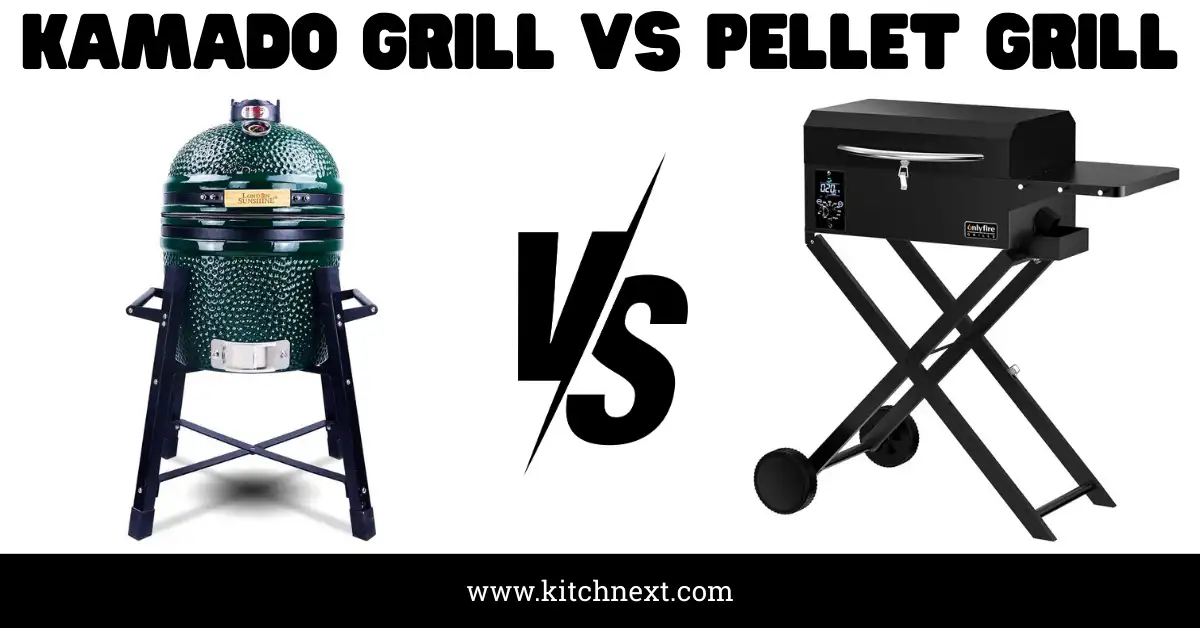
Choosing the right grill can make all the difference in your cooking experience. If you’re torn between a Kamado grill and a pellet grill, you’re not alone.
Both have their unique strengths, but which one fits your style and needs? By the end of this article, you’ll have a clear understanding of how each grill works, what makes them special, and which one will turn your backyard into the ultimate cooking zone.
Ready to find the perfect grill for your next BBQ? Keep reading—you’re about to discover the answer.
Table of Contents
Kamado Grill Basics
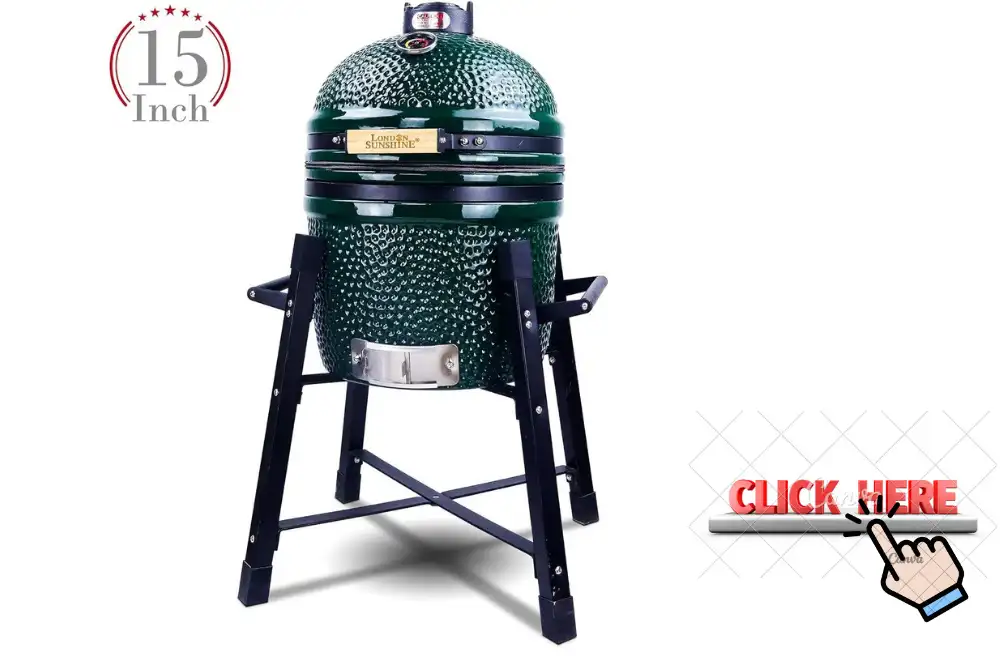
The Kamado grill is a popular choice for outdoor cooking. It offers versatility for grilling, smoking, and baking. Its unique design helps cooks control temperature with ease. Many enjoy the rich flavors it produces. Understanding its core features helps you see why it stands out.
This section explains the Kamado grill’s design, heat retention, and fuel types. These basics show how it works and what makes it special.
Design And Materials
Kamado grills have a distinctive egg-shaped design. This shape helps heat circulate evenly inside. They are usually made from thick ceramic or clay. These materials provide strong insulation. The grill’s lid fits tightly to keep heat and smoke in. The sturdy build also helps the grill last a long time.
Heat Retention
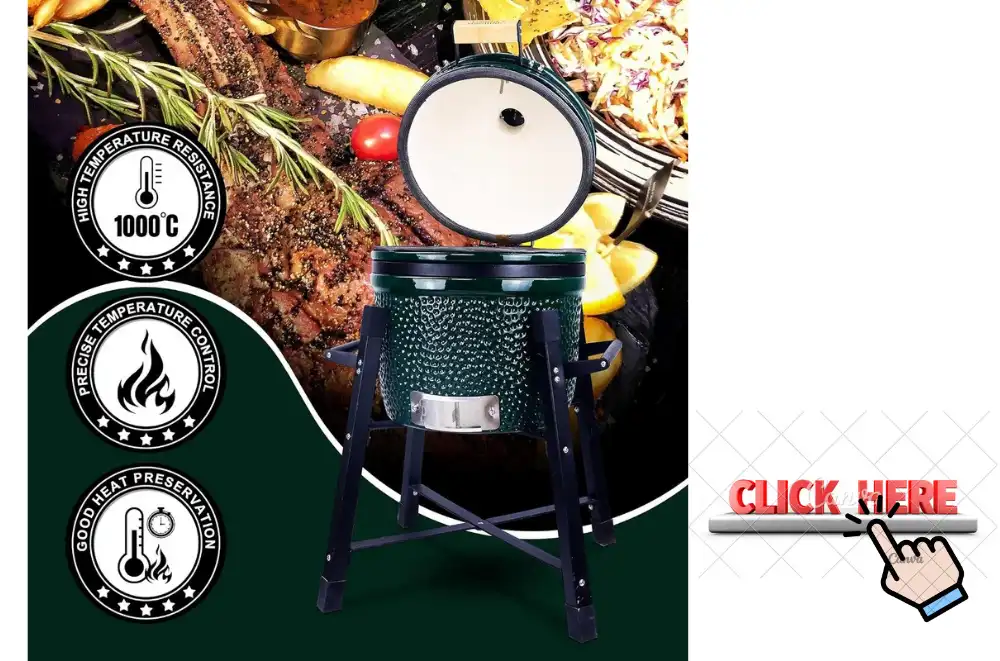
One key feature is excellent heat retention. The thick walls store heat efficiently. This means less fuel is needed for cooking. Heat stays stable for hours, making it easy to cook slow and low. It also allows quick temperature changes for searing. This control helps create perfect results every time.
Fuel Types
Kamado grills mainly use lump charcoal as fuel. This charcoal burns hot and clean. It produces a natural smoky flavor in food. Some users add wood chips for extra smoke taste. Unlike gas or pellets, charcoal provides a traditional cooking experience. It requires more attention but offers great flavor rewards.
Pellet Grill Basics
Pellet grills offer a modern approach to outdoor cooking. They combine convenience and flavor in one device. Understanding their basics helps you choose the right grill for your needs.
These grills use wood pellets as fuel and electric controls for temperature. This setup makes grilling easier and more precise. Now, let’s explore the key parts of pellet grills.
Construction And Features
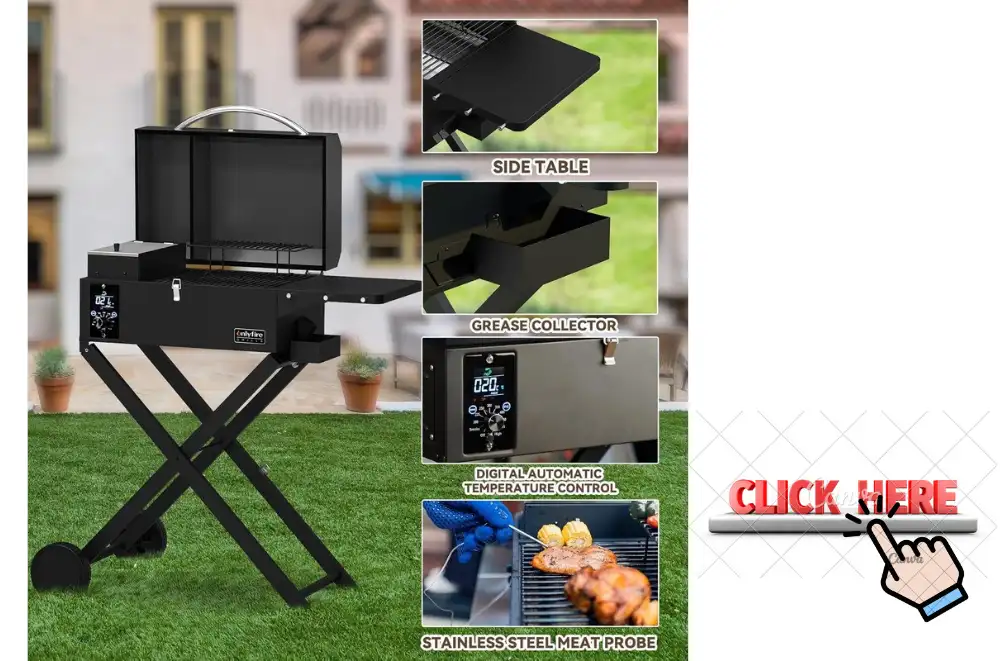
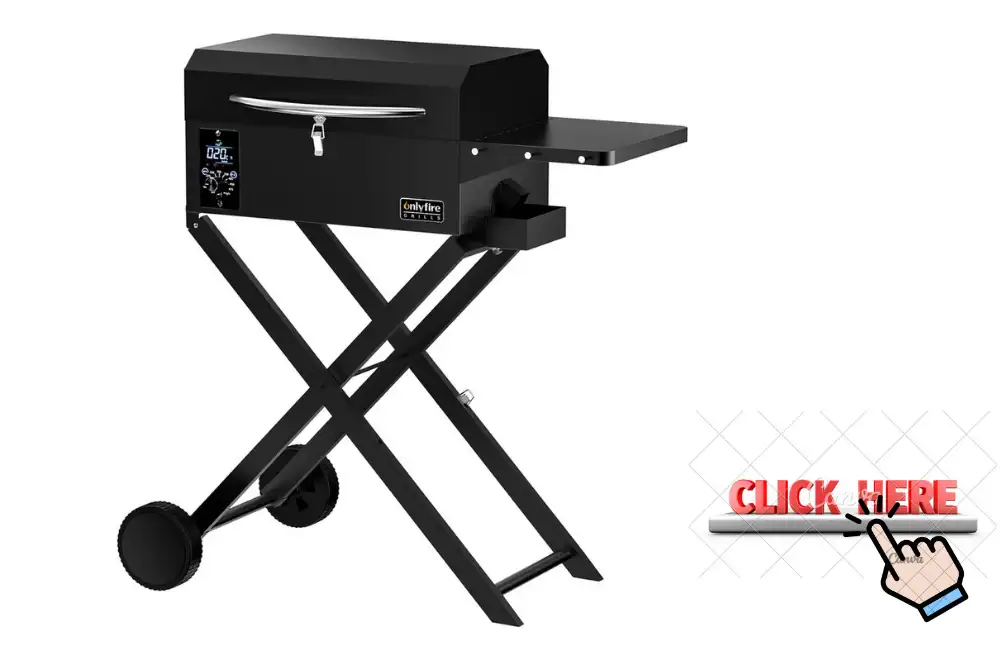
Pellet grills have a solid metal body to hold heat well. They include a hopper to store wood pellets. An auger moves pellets into the fire pot automatically. Inside, a fan helps spread heat evenly. Most models have digital controllers for easy settings. Some also come with Wi-Fi for remote control.
Temperature Control
Digital thermostats keep the grill at steady temperatures. You can set the heat from low smoke to high sear. The grill adjusts the pellet feed and fan speed to match. This control lets you cook slow and low or fast and hot. It reduces guesswork and keeps food juicy.
Pellet Fuel
Wood pellets are made from compressed sawdust. They burn clean and create a mild smoky flavor. Different wood types offer unique tastes, like hickory or apple. Pellets are easy to store and use without mess. They provide consistent heat compared to charcoal or wood chunks.
Flavor Profiles
Flavor profiles define how food tastes when cooked on different grills. Both Kamado and pellet grills create unique flavors. These flavors come from the heat source and cooking style. Understanding the differences helps choose the right grill for your taste.
Each grill type uses different fuel and techniques. This changes the smoke and heat, impacting the food’s aroma and taste. Let’s explore the flavor profiles of Kamado and pellet grills.
Smoke Intensity
Kamado grills use charcoal as fuel. Charcoal burns hot and creates thick, strong smoke. This smoke gives food a deep, rich flavor. The smoke is intense and can fill your food with bold taste.
Pellet grills use wood pellets that burn cleaner and cooler. The smoke from pellets is lighter and milder. It adds a gentle smoky flavor without overpowering the food. This suits those who prefer subtle smoke taste.
Wood Pellet Varieties
Pellet grills offer many wood pellet flavors. Hickory, mesquite, apple, and cherry are popular choices. Each wood type gives a different aroma and taste to the food. You can switch flavors easily for variety.
Kamado grills do not use pellets but can add wood chunks. These chunks add extra smoky flavor. Still, the main taste comes from charcoal smoke.
Charcoal Influence
Charcoal in Kamado grills adds a unique, smoky essence. It creates a natural, earthy flavor that many love. The heat from charcoal also helps develop a crispy crust on meats.
Pellet grills use electricity to feed pellets, so charcoal flavor is absent. The smoky taste comes mainly from the wood pellets. This leads to a cleaner, lighter smoke flavor.
Cooking Versatility
Cooking versatility plays a big role in choosing the right grill. Both Kamado and pellet grills offer different options for cooking. Understanding their strengths helps you pick the best fit for your needs.
Grilling Styles
Kamado grills excel at high-temperature grilling. Their thick ceramic walls keep heat steady. This creates a perfect sear on steaks and burgers. Pellet grills use wood pellets for fuel. They provide consistent heat but at lower temperatures. This suits slow cooking or gentle grilling better.
Smoking Capabilities
Both grills can smoke food well. Kamado grills trap smoke inside their ceramic body. This gives food a strong smoky flavor. Pellet grills add smoke through wood pellets. They offer precise control over smoke levels. This helps create mild to strong smoky tastes.
Baking And Roasting
Kamado grills can bake pizzas and bread. Their even heat and moisture retention help bake well. Pellet grills also roast and bake with ease. Their temperature control allows slow roasting meats. Both grills can replace an oven outdoors.
Ease Of Use
Ease of use plays a big role in choosing between a Kamado grill and a pellet grill. Both grills have unique features that affect how simple or complex they are to operate. Understanding these differences can help you find the best fit for your cooking style.
Setup And Ignition
Kamado grills need charcoal to start. You arrange the charcoal and light it manually. This process takes time and patience. Pellet grills use electric ignitors. Just press a button, and the pellets catch fire quickly. Pellet grills are faster to start and need less effort.
Temperature Management
Kamado grills rely on air vents to control heat. You open or close vents to adjust the temperature. It requires attention and practice to keep the heat steady. Pellet grills have digital controllers. They automatically feed pellets to keep the temperature stable. This makes temperature control easier and more precise.
Cleaning And Maintenance
Kamado grills produce ash from charcoal. You need to clean out the ash often. The ceramic parts require careful handling. Pellet grills have an ash drawer that collects residue. Cleaning is quicker and simpler. Both grills need regular maintenance, but pellet grills are easier to keep clean.
Durability And Build Quality
Durability and build quality are vital when choosing between a Kamado grill and a pellet grill. Both types must withstand heat, weather, and frequent use. A grill’s materials and construction directly affect how long it lasts and how well it performs over time.
This section breaks down the key factors that impact durability. Learn about the materials used, how each grill handles weather, and the warranty support offered.
Materials And Longevity
Kamado grills usually feature thick ceramic bodies. Ceramic holds heat well and resists cracking if handled carefully. Many Kamado grills also include cast iron or stainless steel components. These materials increase durability and help the grill last many years.
Pellet grills often use steel for their bodies. Steel can rust over time but is strong and handles impact well. Most pellet grills have powder-coated finishes to protect the metal. High-end models may use stainless steel for longer life.
Weather Resistance
Kamado grills are heavy and less likely to be moved often. Their ceramic shells resist rain and sun damage well. However, sudden temperature changes can cause cracks if not protected.
Pellet grills have electronic parts inside, so they need shelter from rain. Many users keep pellet grills under covers or in garages. Steel bodies can rust if exposed to moisture for long periods. Powder coating helps but does not make them fully waterproof.
Warranty And Support
Kamado grill warranties vary. Many brands offer 5 to 10 years on ceramic parts. Metal components usually have shorter warranties. Support often includes replacement parts and customer service.
Pellet grill warranties tend to cover 3 to 5 years. Some brands provide longer warranties on electronic components. Support for pellet grills often includes technical help for electronics and parts replacements.
Cost And Value
Choosing between a Kamado grill and a pellet grill depends on cost and value. Both grills offer unique benefits, but their prices and expenses differ. Understanding these factors helps you make a smart purchase.
Initial Investment
Kamado grills usually cost more upfront. They are made from thick ceramic, which is heavy and durable. Pellet grills tend to have a lower starting price. They use digital controls and metal parts, which keep costs down. Consider your budget before buying.
Fuel Expenses
Kamado grills use charcoal for fuel. Charcoal can be cheaper but needs frequent replacement. Pellet grills run on wood pellets, which can cost more. Pellets burn evenly, giving consistent heat and flavor. Fuel choice affects your overall grilling cost.
Long-term Costs
Kamado grills last a long time if cared for. Their ceramic parts resist rust and damage. Pellet grills need electricity to run the auger and fan. This adds to the power bill. Also, pellet grills may need repairs on electronic parts. Think about maintenance when deciding.
Choosing The Right Grill
Choosing the right grill can change your cooking experience. Each grill type offers unique benefits. Understanding these helps pick the best option for you. Consider your cooking style, lifestyle, and space before making a choice.
Cooking Preferences
Kamado grills use charcoal for smoky, rich flavors. They hold heat well and are great for slow cooking. Pellet grills use wood pellets and have digital controls. They provide consistent heat and are easier to use. Think about the taste and cooking style you want.
Lifestyle Considerations
Kamado grills need more attention during cooking. You adjust vents to control heat and smoke. Pellet grills suit busy people. They have automated temperature control for set-and-forget cooking. Choose a grill that fits your daily routine and patience level.
Space And Portability
Kamado grills are heavy and bulky. They work best in fixed outdoor spaces. Pellet grills are lighter and often come with wheels. They are easier to move around your yard or take on trips. Consider your available space and how often you move the grill.
FAQ: Kamado Grill Vs Pellet Grill
What Is The Main Difference Between Kamado And Pellet Grills?
Kamado grills use charcoal and ceramic for heat, while pellet grills use wood pellets and electricity. This affects flavor and cooking style.
Which Grill Type Cooks Food Faster, Kamado Or Pellet?
Pellet grills usually cook food faster because they have better temperature control and steady heat. Kamado grills take longer to heat up.
Are Kamado Grills Better For Smoking Meat Than Pellet Grills?
Kamado grills excel at low and slow smoking due to their heat retention. Pellet grills also smoke well but with less traditional smoky flavor.
How Easy Is It To Control Temperature On Kamado Vs Pellet Grills?
Pellet grills offer precise, automatic temperature control through digital settings. Kamado grills need manual adjustments for airflow and charcoal.
Which Grill Is Easier To Clean, Kamado Or Pellet?
Pellet grills are easier to clean since ashes fall into a tray. Kamado grills require cleaning out charcoal ash and ceramic parts.
Conclusion
Choosing between a Kamado grill and a pellet grill depends on your cooking style. Kamado grills offer excellent heat retention and smoky flavor. Pellet grills provide convenience and steady temperature control. Both grills can cook delicious meals outdoors. Think about how much time you want to spend cooking.
Consider the flavors you enjoy most. Either way, these grills bring great taste to your backyard. Enjoy grilling your favorite foods with confidence.