
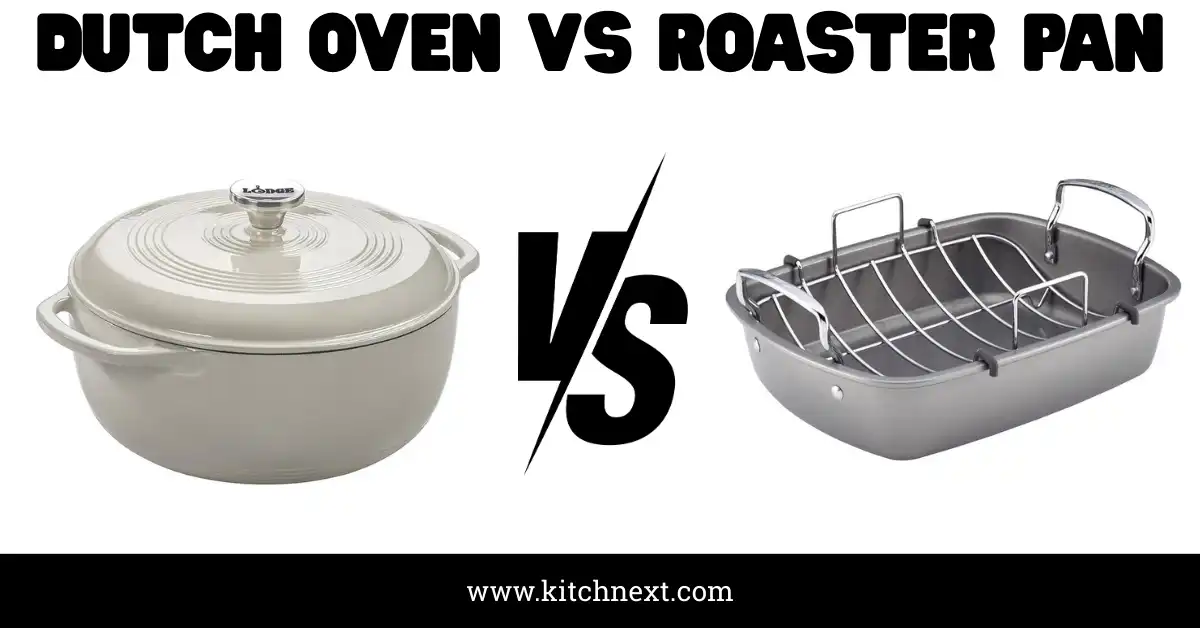
Choosing the right cookware can change the way you cook and enjoy your meals. When it comes to versatile kitchen tools, Dutch ovens and roaster pans are often on your shopping list.
But which one is truly best for your cooking style? Whether you love slow-cooked stews or perfectly roasted meats, understanding the difference between these two can save you time and improve your dishes. Keep reading to discover which option fits your kitchen needs and how it can elevate your cooking game.
Table of Contents
Comparison Details: Dutch Oven Vs Roaster Pan
| Feature | Dutch Oven | Roasting Pan w/ Rack (17” x 13”) |
|---|---|---|
| Product type | Covered pot | Open roasting pan + U-rack |
| Best for | Braising, soups/stews, bread baking, slow cooking | Roasting turkey/chicken/beef, catching drippings, oven roasting |
| Capacity | ~6 qt (listing also shows 6 L) | Up to 24 lb (meat weight) |
| Material | Enameled cast iron | Alloy steel (nonstick coated) |
| Lid | Yes (moisture-retaining) | No |
| Rack | No | Yes (keeps meat off pan bottom) |
| Oven safe temp | Up to 500°F | Up to 450°F |
| Heat behavior | Very high heat retention; slower to heat | Faster heat-up; designed for even roasting |
| Cleanup | Dishwasher safe, hand-wash recommended | Nonstick for easy release/cleanup |
| Typical size/fit | Medium footprint, deep | Large footprint; needs enough oven space |
| Main strength | One-pot cooking + moisture control | Large-batch roasting + crisping/airflow with rack |
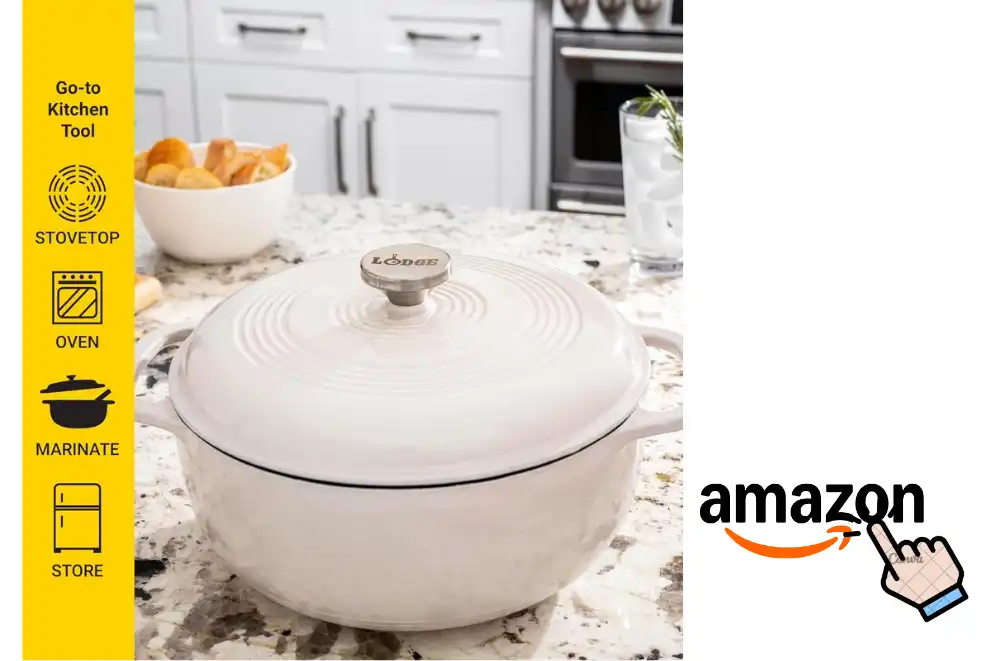
Key Features Of Dutch Ovens
Dutch ovens are popular for cooking many dishes. They work well on stoves and in ovens. Their design helps cook food evenly and keep it moist. Let’s explore the key features that make Dutch ovens special.
Heavy And Durable Material
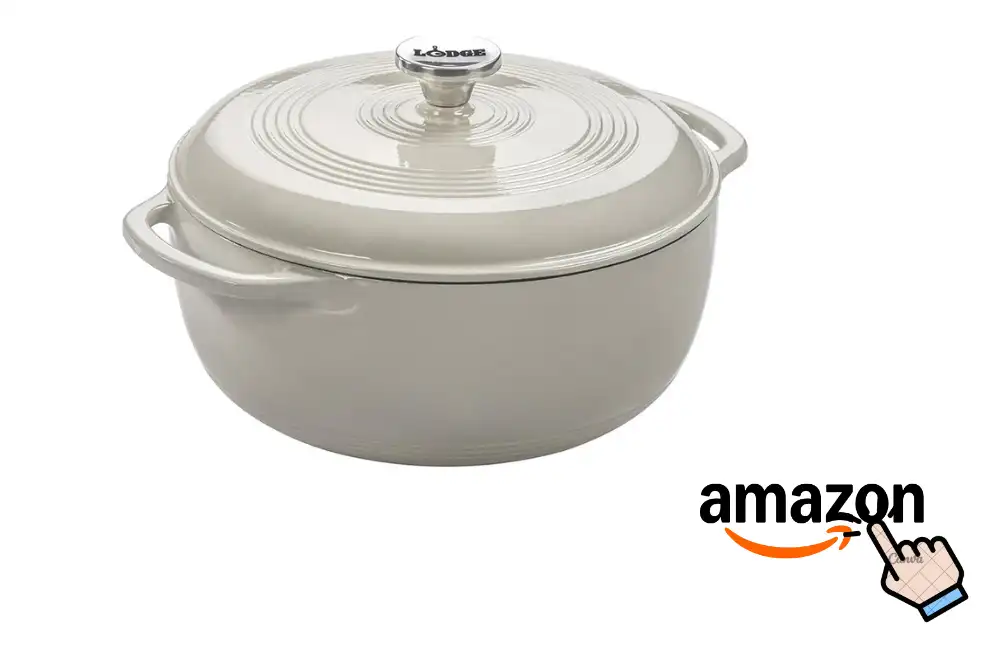
Dutch ovens are made from thick cast iron or cast aluminum. This material holds heat for a long time. It can handle high temperatures without damage. This makes Dutch ovens last for years.
Excellent Heat Retention
The thick walls of Dutch ovens keep heat steady. This helps food cook evenly from all sides. It reduces the chance of burning or undercooking. Perfect for slow cooking and braising.
Tight-fitting Lid
The lid fits tightly on the pot. It traps steam inside during cooking. This keeps food moist and tender. The lid also helps keep flavors locked in.
Multi-purpose Use
Dutch ovens work on different heat sources. Use them on gas, electric, or induction stoves. They also go in the oven or even over a campfire. This makes them very versatile for many recipes.
Easy To Clean And Maintain
Many Dutch ovens have an enamel coating inside. This smooth surface stops food from sticking. It also makes cleaning easier. Some models need seasoning to keep the surface smooth.
Main Characteristics Of Roaster Pans
Roaster pans are a popular choice for cooking large meals. They offer unique features that make roasting easy and efficient. Understanding these characteristics helps in choosing the right cookware for your kitchen.
Roaster pans are designed to cook meats, vegetables, and even whole poultry evenly. Their structure and material play a big role in heat distribution and moisture retention.
Main Material And Construction
Most roaster pans are made from heavy-gauge aluminum or stainless steel. These materials provide strong heat conduction. Some have non-stick coatings for easy cleaning. The pan’s body is usually wide and shallow, allowing good air circulation around the food.
Size And Shape
Roaster pans come in large sizes to hold big cuts of meat or entire chickens. They often have a rectangular or oval shape. This shape fits well in ovens and provides enough space for roasting juices and vegetables.
Handles And Lids
Strong, heat-resistant handles make lifting the pan safe and simple. Most roaster pans include a tight-fitting lid. This lid helps keep moisture inside, preventing food from drying out during cooking.
Oven Compatibility
Roaster pans work well in ovens at medium to high temperatures. Many can go from oven to table for serving. Some models also allow broiling or slow roasting, adding to their versatility.
Material And Construction Differences
Choosing between a Dutch oven and a roaster pan starts with understanding their materials and build. These factors affect cooking style, heat retention, and durability. Knowing these differences helps pick the right tool for your kitchen tasks.
Material Composition Of Dutch Ovens
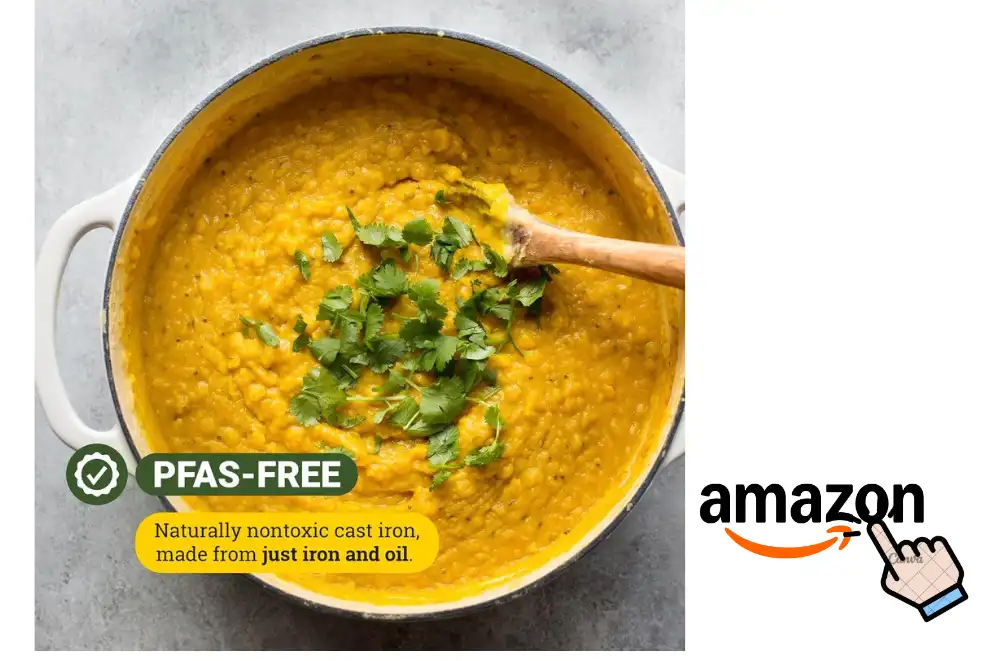
Most Dutch ovens are made of cast iron. This material holds heat well and spreads it evenly. Many have an enamel coating that stops rust and makes cleaning easier. Cast iron is heavy but very strong and lasts for years.
Material Composition Of Roaster Pans
Roaster pans usually use aluminum or stainless steel. Aluminum heats quickly and is lightweight. Stainless steel is durable and resists scratches and dents. These metals help roast food evenly and offer easier handling than cast iron.
Construction Features Of Dutch Ovens
Dutch ovens have thick walls and tight-fitting lids. This design traps moisture and heat inside. It keeps food juicy and tender during long cooking. The heavy lid also helps maintain steady temperatures.
Construction Features Of Roaster Pans
Roaster pans often come with a rack inside. This rack lifts food above the pan base. It allows air to circulate for even roasting. The pans have thinner walls for quick heat but less heat retention.
Heat Distribution And Retention
Heat distribution and retention play a big role in cooking results. Both Dutch ovens and roaster pans handle heat differently. Understanding these differences helps you choose the best tool for your kitchen.
Heat Distribution In Dutch Ovens
Dutch ovens are made from thick cast iron. This material spreads heat evenly across the surface. Food inside cooks uniformly without hot spots. The lid also helps keep heat around the food. This makes Dutch ovens great for slow cooking and braising.
Heat Distribution In Roaster Pans
Roaster pans are usually made from stainless steel or aluminum. These metals heat up faster than cast iron. Heat spreads quickly but not always evenly. Thin walls can cause hot spots. They work well for roasting meats but need close attention to avoid burning.
Heat Retention In Dutch Ovens
Cast iron holds heat for a long time. Once hot, Dutch ovens stay warm even off the stove. This steady heat helps tenderize tough cuts of meat. It also keeps food warm after cooking. Perfect for dishes that need long, slow cooking.
Heat Retention In Roaster Pans
Roaster pans lose heat faster than Dutch ovens. Thin metal cools down quickly once removed from heat. This means food can cool faster too. Roaster pans work better for quick cooking or serving immediately.

Best Cooking Techniques For Dutch Ovens
Dutch ovens are versatile tools for cooking many dishes. They work well for slow cooking, baking, and frying. Knowing the best ways to use a Dutch oven helps get the most flavor and texture from your food.
These pots keep heat steady and spread it evenly. This makes them perfect for recipes needing long cooking times. The heavy lid traps moisture, keeping meals juicy and tender.
Stewing And Braising
Use a Dutch oven for stews and braises. Start by browning meat or vegetables on the stove. Then add liquid and cover the pot. Cook on low heat for several hours. This breaks down tough fibers and deepens flavors.
Baking Bread
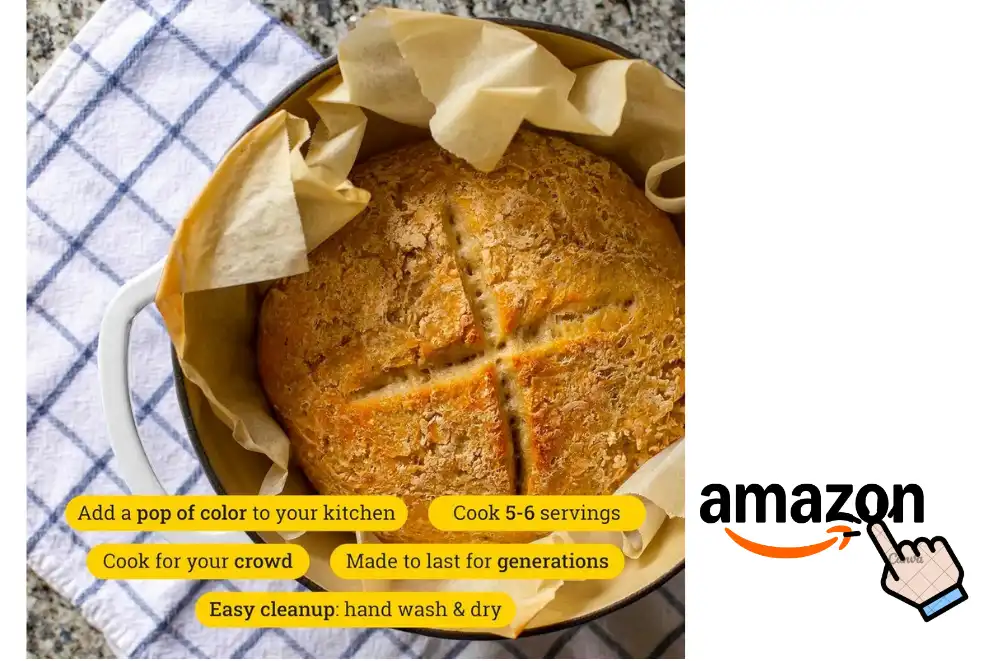
Dutch ovens create a perfect environment for baking bread. The thick walls hold heat and steam. Place dough inside and cover with the lid. Bake at a high temperature for a crispy crust and soft inside.
Deep Frying
Deep frying in a Dutch oven is safe and easy. The pot’s heavy base keeps oil temperature steady. Use a thermometer to check oil heat. This helps avoid greasy or burnt food.
One-pot Meals
Make hearty one-pot meals in a Dutch oven. Layer ingredients like meat, vegetables, and spices. Cook slowly on the stove or in the oven. The pot blends all flavors well.
Ideal Uses For Roaster Pans
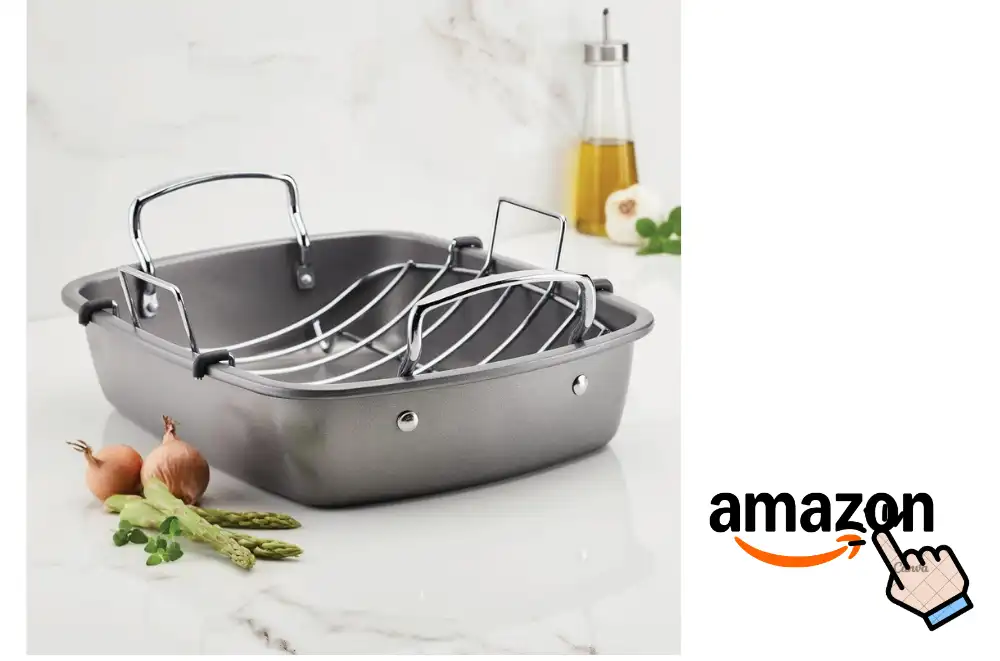
Roaster pans are large and shallow cooking vessels. They work well for roasting and baking big meals. Their size helps cook large pieces of meat evenly. The open design allows heat to circulate around the food.
These pans suit holiday meals and family gatherings. They hold enough food to serve many people. The pan’s shape helps brown meat and keep it juicy. Roaster pans also catch drippings for tasty gravies.
Perfect For Roasting Large Cuts
Roaster pans are great for whole chickens, turkeys, and roasts. Their wide surface lets heat reach all sides. This helps meat cook evenly and get a crispy crust. The pan’s depth holds juices, keeping meat moist.
Ideal For Baking Casseroles
The pan’s size fits big casserole dishes well. It spreads heat evenly for thorough cooking. The open top makes it easy to check food. Roaster pans can go from oven to table for serving.
Great For Cooking Multiple Dishes
Use a roaster pan to cook several items at once. The large space fits different foods side by side. This saves time and oven space. It’s perfect for preparing a full meal in one go.
Useful For Slow Cooking
Roaster pans work well for slow cooking recipes. Low and slow heat tenderizes meat and blends flavors. The pan holds heat steadily over hours. This method suits tough cuts and stews.
Cleaning And Maintenance Tips
Cleaning and caring for your Dutch oven or roaster pan helps them last longer. Proper maintenance keeps their surface smooth and food-safe. Each type needs a special care routine. Follow these tips to keep your cookware in top shape.
Cleaning Your Dutch Oven
Wait for the Dutch oven to cool before washing. Use warm water and a soft sponge. Avoid harsh scrubbing pads that can damage the enamel coating. For stuck-on food, soak the pot in warm water. Use a gentle brush or cloth to remove residue. Never use metal utensils that scratch the surface. Dry thoroughly to prevent rust on any exposed cast iron parts.
Cleaning Your Roaster Pan
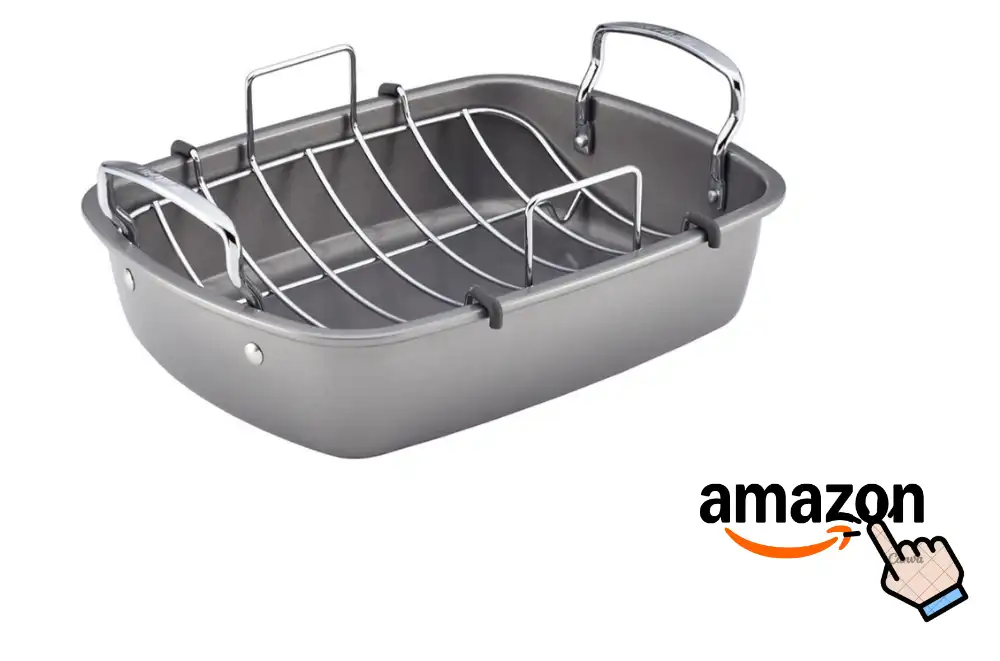
Roaster pans usually have a non-stick or stainless steel surface. Use warm, soapy water and a soft cloth. Avoid abrasive cleaners that damage the coating. For tough stains, soak the pan in warm water with dish soap. Use a nylon scrubber to gently remove food bits. Rinse well and dry completely to avoid water spots.
Maintaining Your Dutch Oven
Season the rim and lid gasket occasionally to keep the seal tight. Avoid sudden temperature changes to prevent cracks. Store the Dutch oven with the lid off or upside down to allow air flow. Check for chips in the enamel and handle them gently. Proper storage helps avoid moisture buildup and mold.
Maintaining Your Roaster Pan
Inspect the pan for scratches or damage regularly. Avoid metal utensils to keep the surface smooth. Store in a dry place to prevent rust or discoloration. Use a soft cloth to polish stainless steel parts. Proper care keeps the pan looking new and working well.
Choosing The Right Cookware For Your Needs
Choosing the right cookware affects how you cook and the meals you make. Different pots and pans suit different cooking styles and recipes. Knowing the strengths of each helps pick the best one for your kitchen.
Both Dutch ovens and roaster pans have unique features. Their design, material, and size make them better for certain tasks. Understanding these details guides you to a smart choice.
What Is A Dutch Oven Best For?
A Dutch oven is thick and heavy, often made from cast iron. It holds heat well and cooks food evenly. Great for slow-cooked meals like stews, soups, and braises. It also works well for baking bread.
When To Use A Roaster Pan
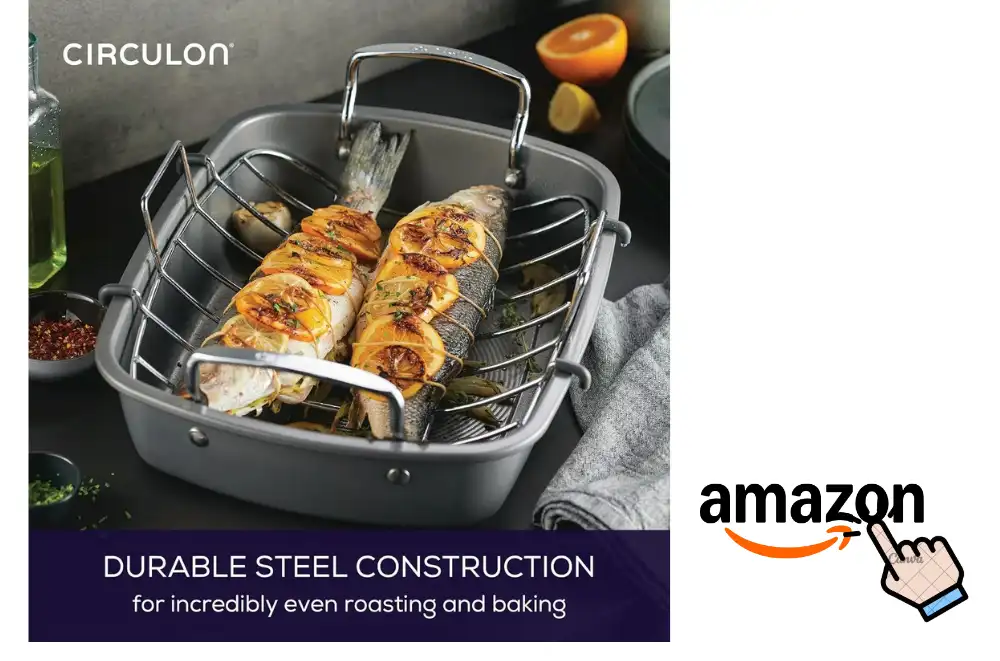
A roaster pan is large and shallow with a rack. It is perfect for roasting meats and vegetables. The rack keeps food above the drippings for even cooking. It also fits big cuts like turkey or ham.
Size And Storage Considerations
Think about your kitchen space and storage. Dutch ovens are heavy and take up more space. Roaster pans are often lighter and easier to store flat. Choose one that fits your kitchen and cooking needs.
Ease Of Cleaning And Maintenance
Cast iron Dutch ovens need careful cleaning and seasoning. Roaster pans usually have non-stick or stainless steel surfaces. They are easier to clean and require less care.
FAQ: Dutch Oven Vs Roaster Pan
What Is The Main Difference Between A Dutch Oven And Roaster Pan?
A Dutch oven is thick and heavy, ideal for slow cooking and stews. A roaster pan is lighter and designed for roasting meats evenly.
Can I Use A Dutch Oven Instead Of A Roaster Pan?
Yes, a Dutch oven can roast meat but may not brown as evenly. Roaster pans allow better heat circulation for crispier results.
Which Is Better For Slow Cooking, Dutch Oven Or Roaster Pan?
The Dutch oven is better for slow cooking because it retains heat well. Roaster pans are not designed for long, slow cooking.
Are Dutch Ovens Suitable For Oven And Stovetop Cooking?
Dutch ovens work well on both stovetop and in the oven. Roaster pans are usually only used in the oven.
How Do Cleaning And Maintenance Differ Between These Two Cookware?
Dutch ovens need gentle cleaning to protect their coating. Roaster pans are easier to clean and usually dishwasher safe.
Conclusion
Choosing between a Dutch oven and a roaster pan depends on cooking needs. Dutch ovens hold heat well and cook evenly. Roaster pans offer more space for large meals. Both tools have unique strengths for different dishes. Think about what you cook most often.
A Dutch oven suits slow cooking and stews. A roaster pan works best for roasting meats and vegetables. Using the right cookware makes cooking easier and tastier. Try both to see which fits your kitchen style. Simple tools can create great meals every time.