
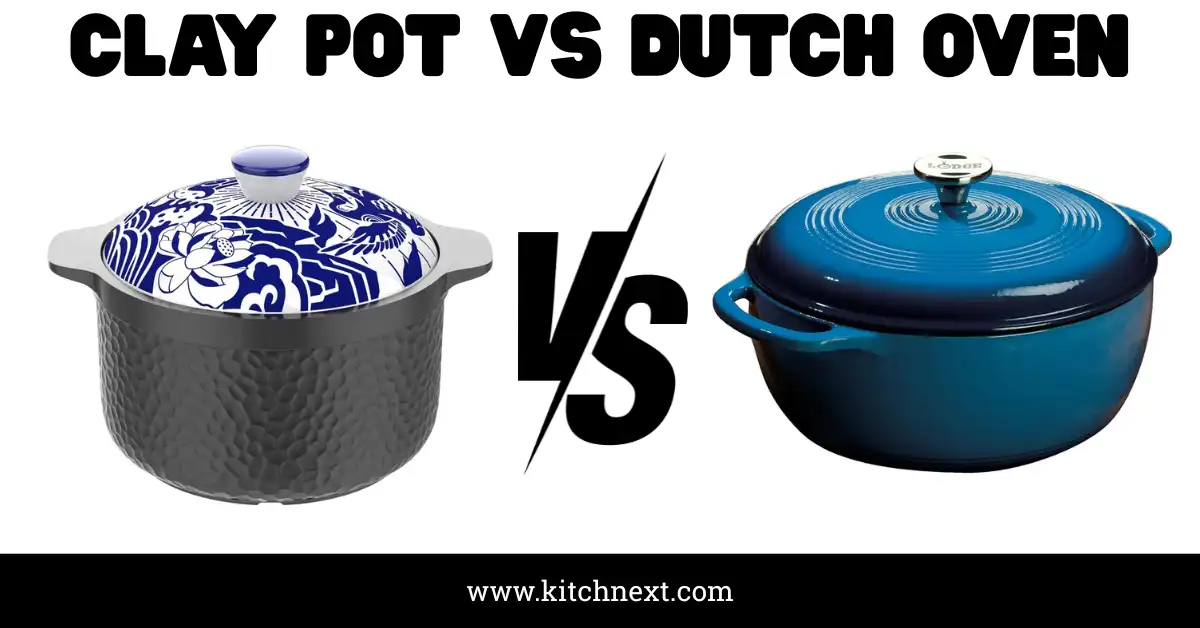
When it comes to cooking, choosing the right pot can make all the difference. You might wonder, should you go for a clay pot or a Dutch oven?
Both have their fans and unique benefits, but which one fits your kitchen and cooking style best? You’ll discover how these two pots compare, helping you make smarter choices for your meals. By the end, you’ll know exactly which one will bring out the best flavors in your dishes and make cooking easier for you.
Keep reading to find out!
Table of Contents
Design And Material Differences
Clay pots and Dutch ovens differ a lot in design and materials. These differences affect how they cook and how you use them. Understanding these details helps you pick the right pot for your kitchen.
Clay Pot Design And Material
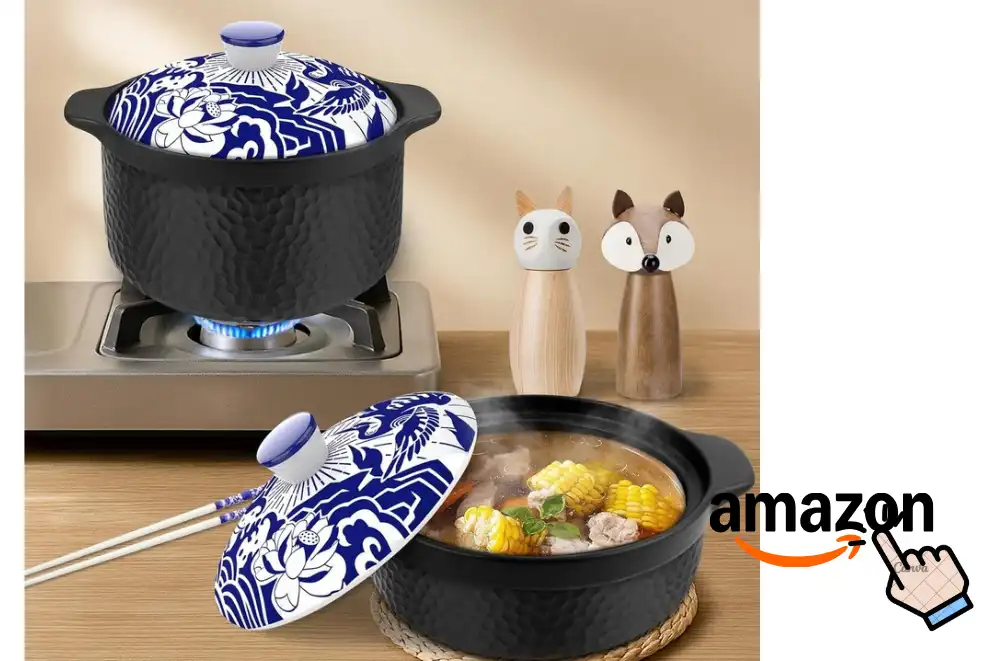
Clay pots are made from natural clay. They are usually unglazed or have a light glaze. This makes them porous, allowing slow moisture release during cooking.
The shape is often round with a wide mouth. This helps heat spread evenly. Clay pots are lightweight but fragile. They need gentle handling to avoid cracks.
Dutch Oven Design And Material
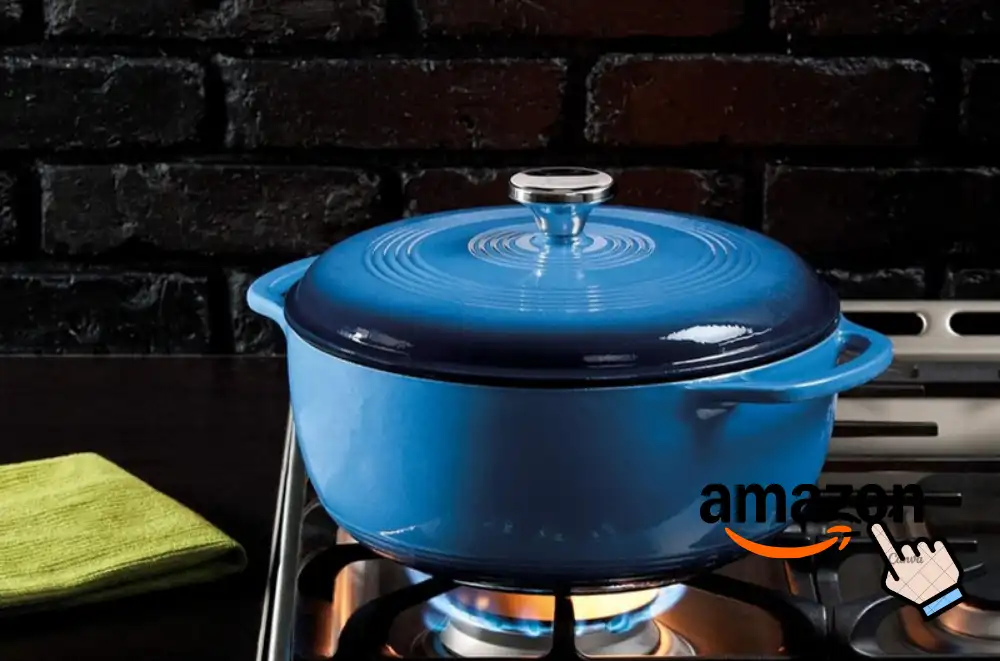
Dutch ovens are made from cast iron. They often have an enamel coating. This coating stops rust and makes cleaning easier.
These pots are heavy and thick. They hold heat very well. The lids fit tightly to trap steam inside. Dutch ovens can be round or oval.
Their design supports high heat on stoves and ovens. They are very durable and last for years.
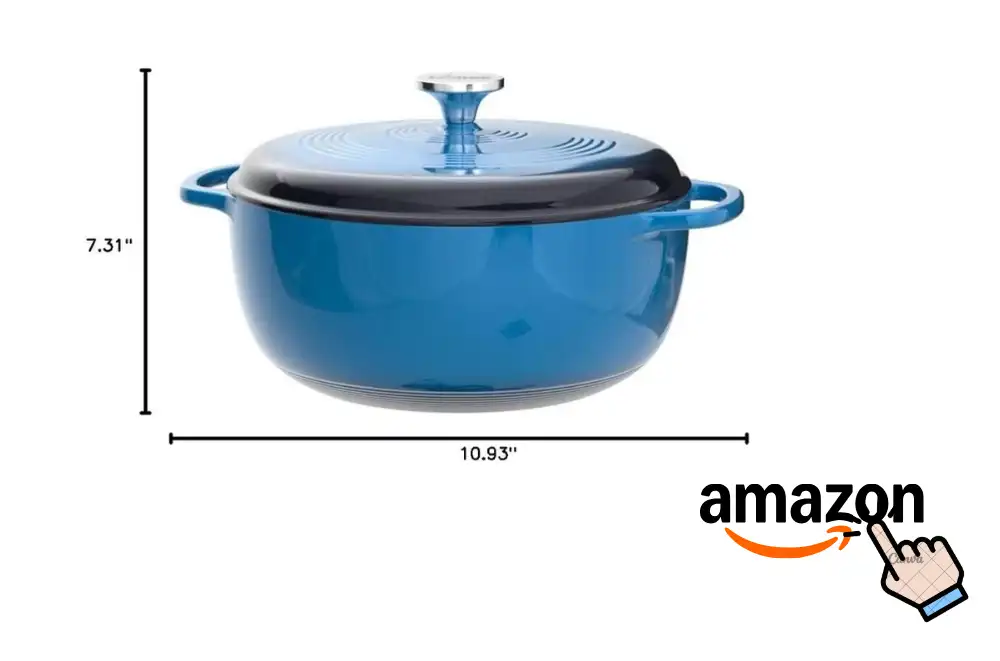
Comparison Table: Clay Pot vs Dutch Oven
| Feature | Clay Pot | Dutch Oven |
|---|---|---|
| Material | Porcelain with enamel | Cast iron with enamel |
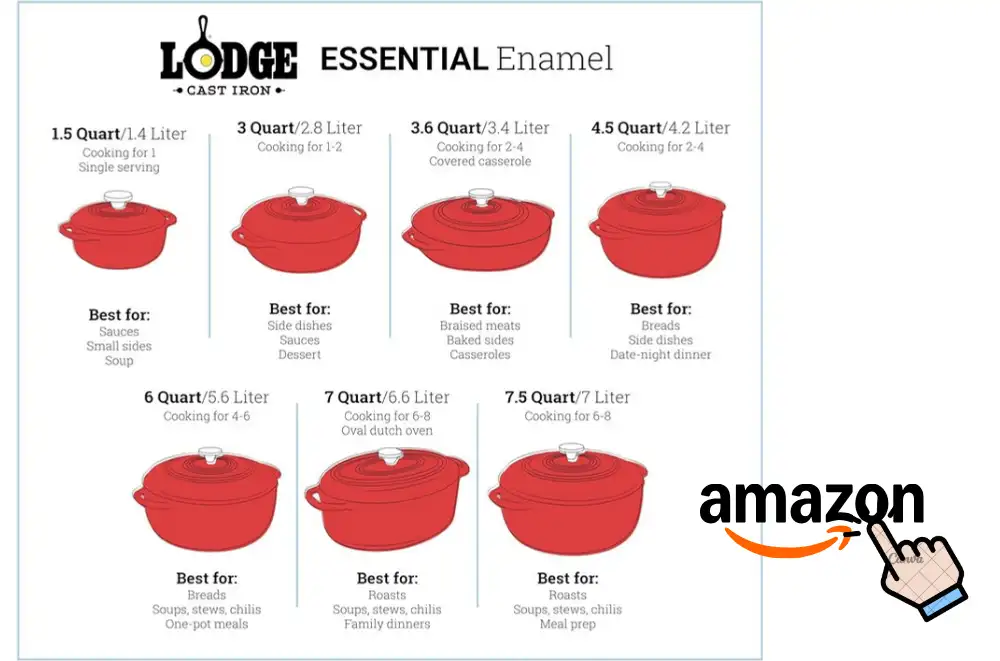
| Capacity | 4.8 Liters (5 Quarts) | 6 Quarts |
| Weight | 2.94 kg (6.5 lbs) | 13.52 lbs |
| Oven Safe | Yes | Yes (up to 500°F) |
| Stovetop Safe | Yes | Yes |
| Heat Retention | High | Excellent |
| Cleaning | Hand wash recommended | Dishwasher safe (best handwash) |
| Durability | Moderate | Very High |
| Price | $59.99 | $89.90 |
Heat Retention And Distribution
Heat retention and distribution are key factors in cooking with Clay Pots and Dutch Ovens. Both tools hold heat differently and affect how food cooks. Understanding these differences helps choose the right pot for your meal.
Heat Retention In Clay Pots
Clay pots absorb heat slowly and keep it for a long time. They release heat gently, which helps food cook evenly. This slow heat retention is perfect for simmering stews and soups.
The porous nature of clay lets moisture stay inside. This keeps food moist and tender over long cooking periods. Clay pots cool down slowly once removed from heat.
Heat Retention In Dutch Ovens
Dutch ovens heat up quickly and hold heat very well. Made of cast iron, they store heat evenly on all sides. This helps sear meat and brown food with ease.
The thick walls keep a steady temperature. Dutch ovens stay hot longer, even off the stove. This makes them good for baking and slow-cooking alike.
Heat Distribution In Clay Pots
Clay pots spread heat gently but unevenly. Hot spots can form, especially on direct flames. This makes slow cooking ideal, avoiding fast or high heat.
The heat spreads from the bottom up. It cooks food softly without burning. Ideal for recipes needing gentle, slow heat.
Heat Distribution In Dutch Ovens
Dutch ovens distribute heat evenly across the entire pot. This uniform heat prevents hot spots and burning. Great for frying, roasting, and baking.
The heavy lid traps heat and moisture inside. This creates a steady cooking environment. Perfect for recipes needing consistent heat.
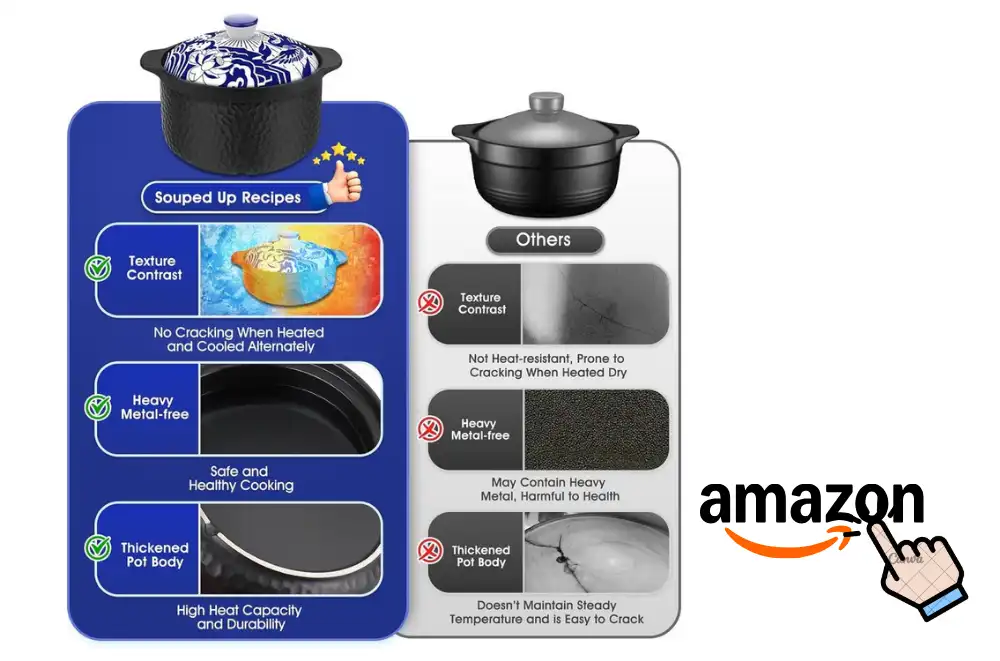
Cooking Techniques And Uses
Cooking with a clay pot or a Dutch oven offers unique experiences. Each pot suits different cooking styles. Understanding their techniques helps you choose the right one for your meals.
Both pots keep heat well but work differently. Clay pots use gentle heat, while Dutch ovens handle high heat and searing.
Cooking Techniques With Clay Pots
Clay pots cook food slowly and evenly. They absorb and release heat gently. This method helps keep food moist and tender. Clay pots are perfect for simmering soups and stews. They also work well for baking bread or slow-cooked dishes.
Before cooking, soak the clay pot in water. This helps prevent cracking and adds moisture during cooking. Use low to medium heat to avoid breaking the pot. Avoid sudden temperature changes to keep it safe.
Cooking Techniques With Dutch Ovens
Dutch ovens work well on stovetops and ovens. They handle high heat for browning and searing meat. Their thick walls hold heat steady for hours. You can use them for frying, roasting, and baking.
Dutch ovens excel at making casseroles and braises. They create rich flavors by cooking food slowly in tight lids. Use medium to high heat for best results. They are strong and less fragile than clay pots.
Best Uses For Clay Pots
Clay pots suit gentle cooking and slow simmering. They are great for making stews, soups, and rice dishes. Use them for recipes that need moisture and even heat. Traditional recipes from many cultures use clay pots.
They give food a natural earthy flavor. Clay pots are ideal for cooking beans and vegetables. Avoid using them for frying or high-heat cooking.
Best Uses For Dutch Ovens
Dutch ovens are versatile for many cooking tasks. They work well for frying, baking, roasting, and simmering. Use them for chili, pot roast, and baked bread. Their heavy lids lock in moisture and flavor.
Dutch ovens are good for both slow cooking and quick searing. They can go from stovetop to oven easily. This makes them perfect for one-pot meals.
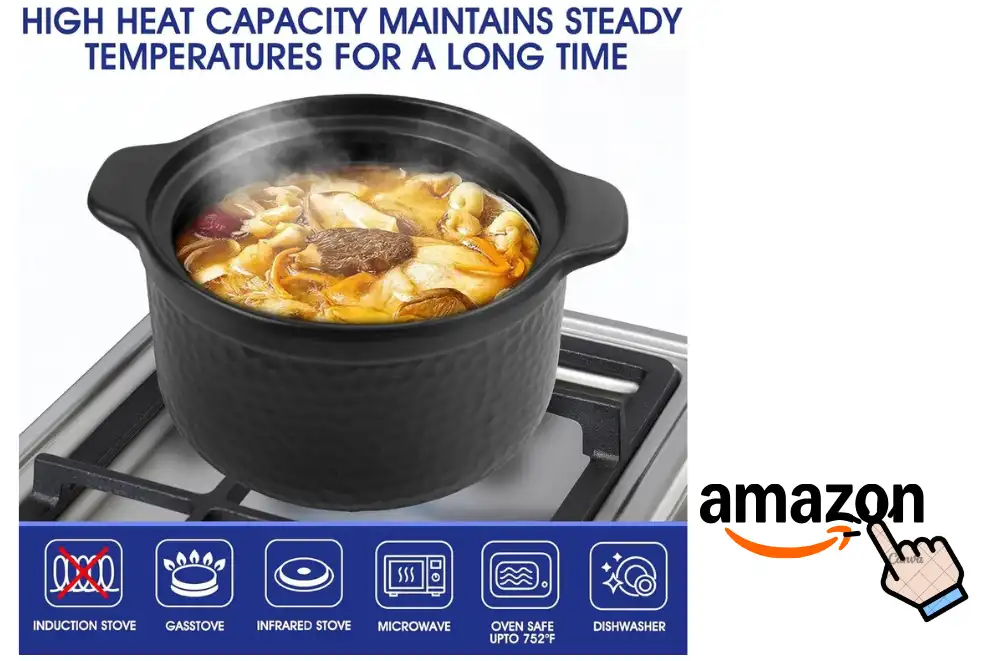
Durability And Maintenance
Durability and maintenance are key factors when choosing between a clay pot and a Dutch oven. These aspects affect how long your cookware lasts and how easy it is to keep clean. Understanding these differences helps in making a smart choice for your kitchen.
Durability Of Clay Pots
Clay pots are fragile and can crack easily if dropped. They do not handle sudden temperature changes well. Over time, they may develop small cracks from regular use. Proper care can extend their life, but they are not as tough as metal cookware.
Durability Of Dutch Ovens
Dutch ovens are made of cast iron or enamel-coated cast iron. They are very strong and resist dents or cracks. These pots can last for decades with proper care. They can handle high heat and rough handling better than clay pots.
Maintenance Of Clay Pots
Clay pots need to be soaked before use to avoid cracking. Cleaning requires gentle scrubbing without harsh detergents. They should dry completely before storing to prevent mold. Seasoning with oil helps maintain the pot’s surface and flavor.
Maintenance Of Dutch Ovens
Dutch ovens require seasoning if they are bare cast iron. Cleaning with warm water and a brush usually works well. Avoid soap on seasoned cast iron to protect the coating. Enamel-coated versions are easier to clean and dishwasher safe.
Flavor And Texture Impact
Flavor and texture are key factors when choosing between a clay pot and a Dutch oven. Both cooking vessels change the way food tastes and feels. The materials and heat distribution affect the cooking process. This section explains how each pot impacts your meals.
Clay Pot: Earthy Flavor And Soft Texture
Clay pots add a natural, earthy taste to dishes. They absorb and release moisture slowly. This creates tender, juicy food with rich flavors. Stews and rice dishes become soft and aromatic. The porous nature helps steam cook food evenly.
Dutch Oven: Deep Flavor And Crispy Texture
Dutch ovens trap heat well and cook at steady temperatures. They create strong, deep flavors by browning food. Meat gets a crispy outer layer while staying moist inside. The heavy lid keeps moisture in, perfect for slow-cooked meals. This pot excels at roasting and baking.
Comparing Moisture Retention And Heat Distribution
Clay pots hold moisture inside, softening food gently. Dutch ovens seal in juices but allow better browning. Clay heats slowly but keeps warmth longer. Dutch ovens heat evenly and quickly. These differences shape the final dish’s taste and feel.
Cost And Accessibility
Choosing between a clay pot and a Dutch oven often depends on cost and accessibility. Both have unique price points and availability. Understanding these factors helps in making a practical decision.
Cost Comparison
Clay pots usually cost less than Dutch ovens. They are made from natural materials and are simpler to produce. Dutch ovens are often made from cast iron, which raises their price. The price can vary based on brand and size for both pots.
Clay pots may need extra care to last longer. Dutch ovens can be more durable but come with a higher initial cost. Both can be good investments depending on your cooking needs.
Accessibility And Availability
Clay pots are common in many local markets, especially where traditional cooking is popular. They are lightweight and easy to find in some regions. Dutch ovens are widely available in stores and online worldwide.
Some areas may have limited options for either pot. Online shopping offers a wider range for Dutch ovens. Clay pots may be easier to find in specialty or ethnic stores.
Health And Safety Considerations
Health and safety are important when choosing between a clay pot and a Dutch oven. Both cookware types affect how food cooks and how safe it is to use. Understanding their materials and care helps avoid health risks.
Proper use and cleaning keep your kitchen safe. Some materials may release harmful substances if not handled well. Let’s explore key health and safety points for each.
Clay Pot Safety And Health
Clay pots are made from natural earth materials. They are usually safe if unglazed or glazed with food-safe coatings. Some clay pots may contain lead or other metals. Choose pots labeled as lead-free to avoid toxins.
Clay pots heat slowly and evenly, which helps retain nutrients in food. Avoid sudden temperature changes to prevent cracks. Cracks can harbor bacteria and cause contamination.
Dutch Oven Safety And Health
Dutch ovens are often made from cast iron with enamel coating. The enamel prevents iron from leaching into food, which is good for health. Cast iron without enamel can add iron to your diet, which may benefit some people.
Check enamel for chips or cracks. Damaged enamel can expose bare metal, risking rust and contamination. Clean Dutch ovens properly to avoid bacteria buildup in crevices.
Cleaning And Maintenance Tips
Clay pots need gentle cleaning with warm water and soft brushes. Avoid soap if the pot is unglazed, as it may absorb flavors. Let the pot dry completely before storing to stop mold growth.
Dutch ovens can be cleaned with mild soap and water. Avoid abrasive tools that can damage enamel. Dry thoroughly to prevent rust, especially on uncoated cast iron.
Choosing The Right Cookware For You
Choosing the right cookware affects how you cook and what you enjoy eating. Different pots bring unique benefits. Knowing these helps you pick what fits your kitchen and style.
Clay pots and Dutch ovens both cook well but serve different needs. Think about the kind of meals you make and how much time you spend cooking. This helps find the best match for you.
Clay Pot: Natural Slow Cooking
Clay pots heat slowly and keep moisture inside. They work well for soups, stews, and rice dishes. The pot’s porous nature adds a soft, earthy flavor to food.
These pots are light and easy to handle. They need gentle care and should not face sudden temperature changes. Ideal for cooks who enjoy slow, even heat and natural flavors.
Dutch Oven: Heavy-duty Versatility
Dutch ovens are thick and heavy. They hold heat well and can go from stovetop to oven. Perfect for searing, baking, and frying as well as simmering.
Made from cast iron, often coated with enamel, they are durable and easy to clean. Great for cooks who want one pot for many cooking styles.
Consider Your Cooking Habits
Think about how much time you spend cooking each day. Clay pots suit longer cooking times at low heat. Dutch ovens handle quick to slow cooking styles.
Also, consider your kitchen setup. Clay pots need a gentle heat source. Dutch ovens work on gas, electric, and induction stoves.
Clay pots require careful cleaning and drying to avoid cracks. They are fragile but last long with care. Dutch ovens need less care and resist damage well.
Enamel-coated Dutch ovens do not need seasoning. Clay pots may need seasoning before first use. Choose the one that fits your care routine best.
FAQ: Clay Pot Vs Dutch Oven
What Are The Main Differences Between Clay Pot And Dutch Oven?
Clay pots are porous and heat slowly, keeping food moist. Dutch ovens are heavy, made of cast iron, and retain heat well. Both are great for slow cooking but have different heat and moisture control.
Which Cookware Is Better For Slow Cooking Recipes?
Both work well for slow cooking. Clay pots keep food moist and tender. Dutch ovens provide even heat and can be used on stovetops and ovens.
Can You Use A Clay Pot On A Stovetop Like A Dutch Oven?
Clay pots usually cannot be used directly on stovetops. Dutch ovens are safe for stovetop and oven cooking. Clay pots need gentle heat or oven use only.
How Do Cleaning Methods Differ For Clay Pots And Dutch Ovens?
Clay pots need gentle washing and air drying to avoid cracks. Dutch ovens can be scrubbed with brushes and mild soap. Both require care but Dutch ovens are easier to clean.
Which Cookware Is More Durable: Clay Pot Or Dutch Oven?
Dutch ovens are very durable and last for decades if cared for. Clay pots are fragile and can crack if dropped or heated quickly. Dutch ovens are better for long-term use.
Conclusion
Choosing between a clay pot and a Dutch oven depends on your cooking style. Clay pots offer gentle heat and keep food moist. Dutch ovens heat evenly and work well for searing and baking. Both tools bring out rich flavors and tender textures.
Think about what dishes you cook most often. Both last long with proper care. Try both to see which suits your kitchen best. Cooking becomes more enjoyable with the right cookware in hand.