
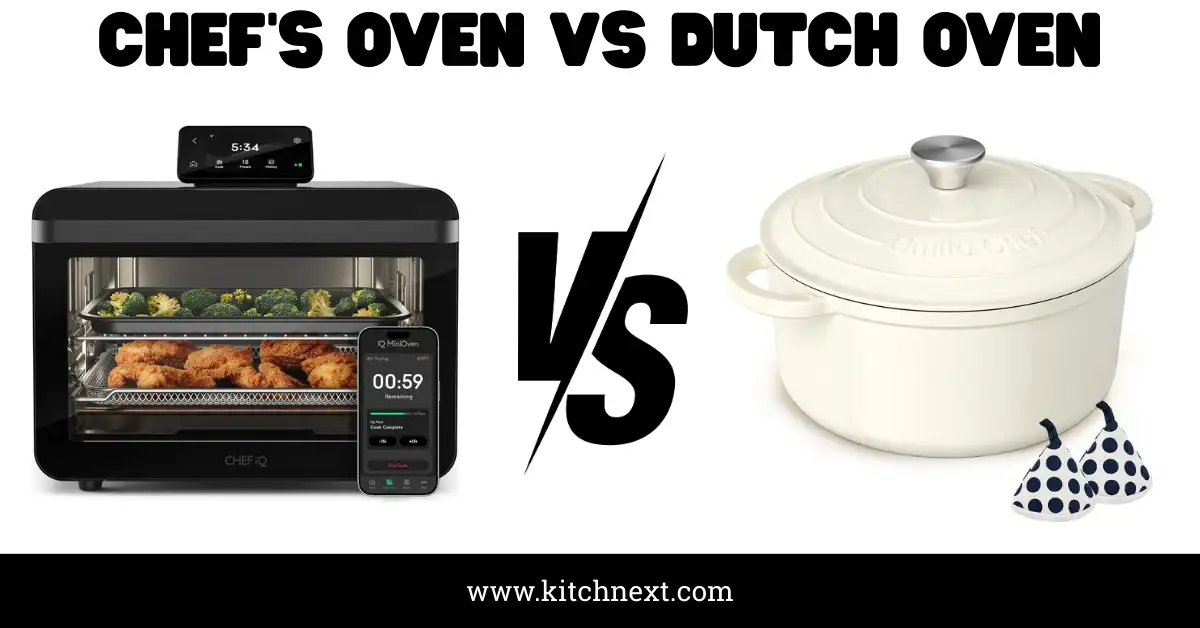
When it comes to cooking delicious meals at home, choosing the right cookware can make all the difference. You might have heard about both the Chef’s Oven and the Dutch Oven, but which one is truly the best fit for your kitchen?
Each has its own strengths and unique features that can change the way you cook. By the end of this article, you’ll know exactly which one suits your cooking style and needs. Ready to discover the perfect oven for your next meal?
Let’s dive in!
Table of Contents
Chef’s Oven Basics
The Chef’s Oven is a versatile kitchen tool. It blends traditional cooking with modern design. Understanding its basics helps you use it well. This section covers the design and common uses of the Chef’s Oven.
Design And Materials
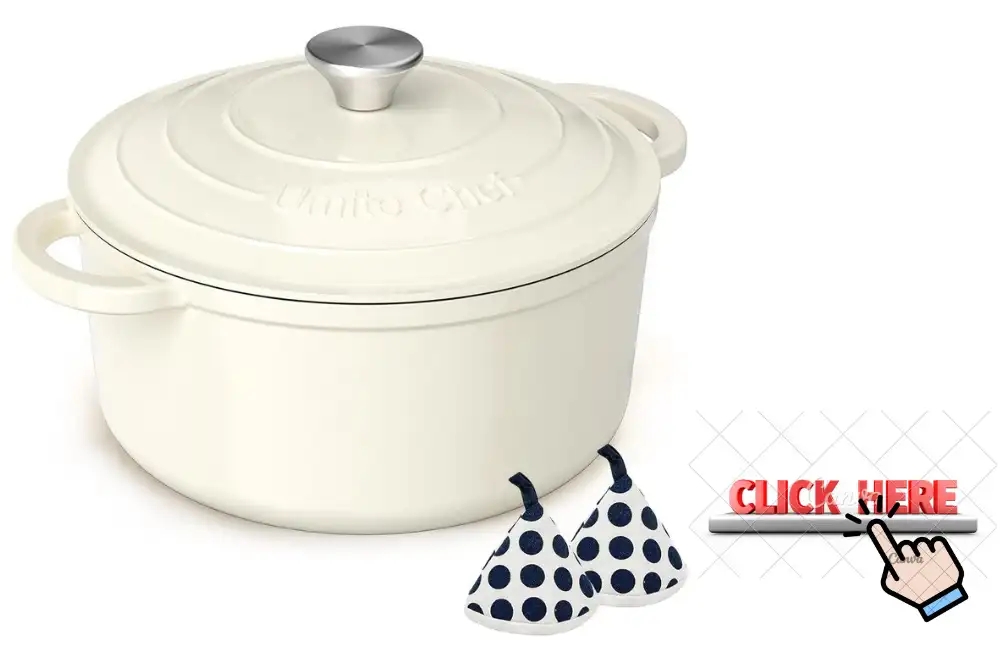
The Chef’s Oven usually has a heavy metal body. Cast iron is the most common material. It holds heat evenly and lasts long. Some models have an enamel coating. This coating stops rust and makes cleaning easy. The lid fits tightly to keep moisture inside. Handles on the sides help move it safely.
Common Uses
Chefs use this oven for slow cooking. It works well for stews, roasts, and soups. The even heat helps food cook evenly. You can use it on a stove or in a real oven. Some people bake bread in it too. It seals in flavors and keeps food tender. The Chef’s Oven fits many cooking styles.
Dutch Oven Essentials
The Dutch oven is a classic kitchen tool with a rich history. It has stood the test of time for good reasons. This pot cooks food evenly and keeps heat well. Its design helps make stews, roasts, and breads perfect every time.
Understanding the basics of a Dutch oven helps you see why it is so useful. The structure and craftsmanship are key. So is its ability to handle many cooking styles. These features make it a must-have in many kitchens.
Structure And Craftsmanship
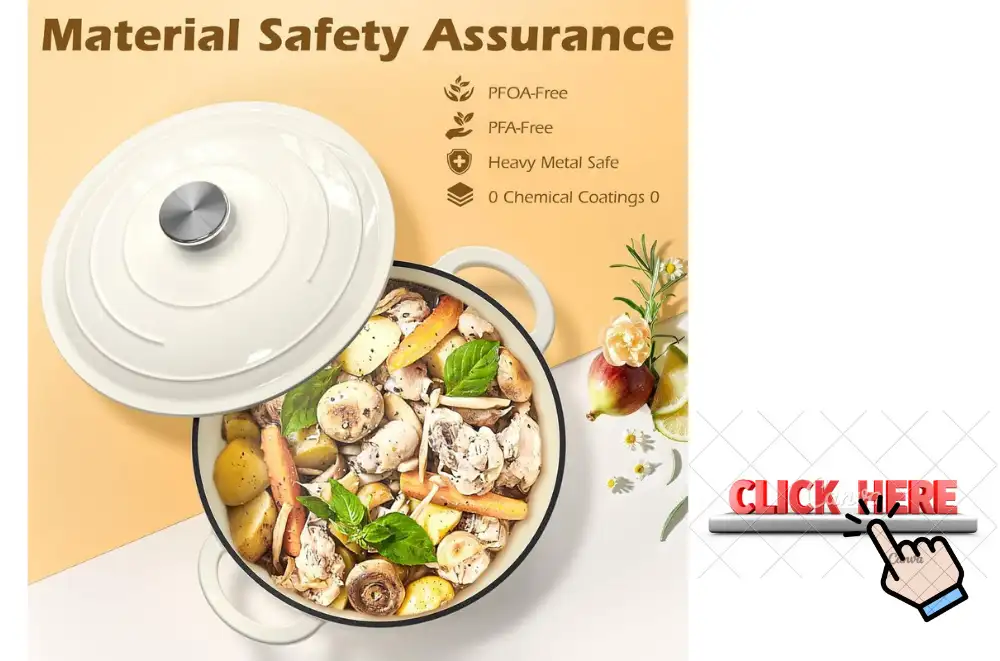
Most Dutch ovens are made of cast iron. This material holds heat very well and lasts long. Many have an enamel coating that stops rust and makes cleaning easier. The thick walls and tight lid lock moisture inside.
Its heavy weight may seem hard to handle. But it helps cook food evenly without hot spots. The lid often has a design that lets you place coals on top. This helps bake or slow cook dishes perfectly.
Versatile Cooking Styles
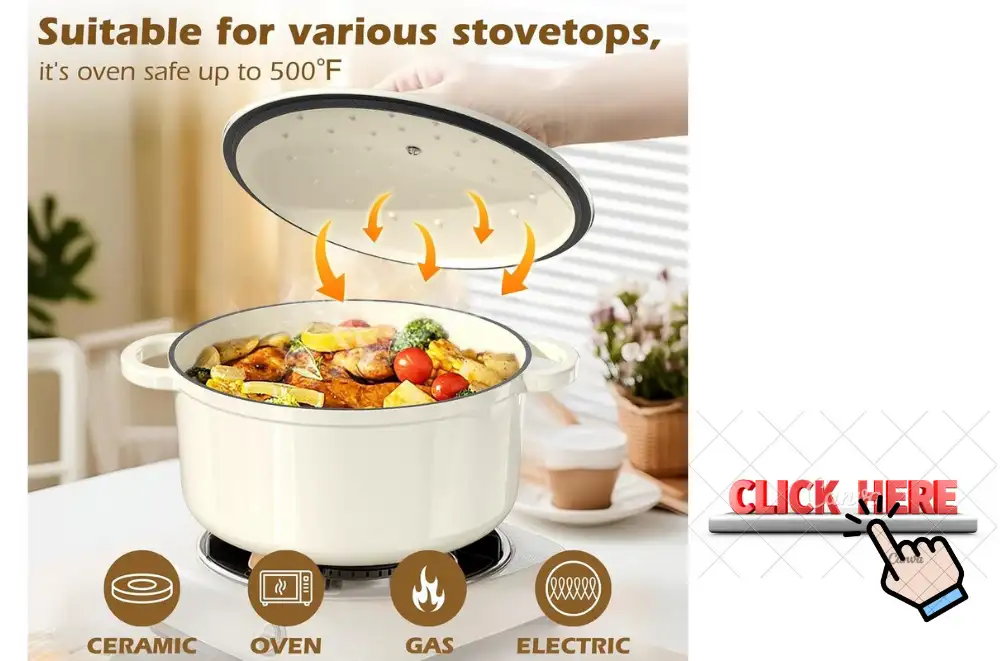
The Dutch oven works on many heat sources. You can use it on the stove, in the oven, or over a campfire. It is great for frying, boiling, baking, roasting, and simmering.
This pot is perfect for slow-cooked meals like soups and stews. It also bakes bread with a crispy crust. Its ability to switch between cooking methods makes it very flexible. This saves space and money in the kitchen.

Heat Distribution
Heat distribution is key to cooking food evenly and well. Both Chef’s Oven and Dutch Oven have unique ways to spread heat. Understanding their heat behavior helps choose the right pot for your cooking needs.
How Chef’s Oven Handles Heat
Chef’s Oven spreads heat quickly across its surface. It heats up fast, making it ideal for recipes needing high heat. The material used helps move heat evenly to all parts. This reduces hot spots and burns. The oven keeps a steady temperature during cooking. It works well for roasting and baking.
Dutch Oven’s Heat Retention
Dutch Ovens hold heat for a long time. Their thick walls store heat and release it slowly. This is perfect for slow cooking and simmering. The heat stays steady, allowing flavors to develop deeply. Dutch Ovens are excellent for stews and braises. They keep food warm even after cooking ends.
Cooking Techniques
Cooking techniques vary greatly between Chef’s ovens and Dutch ovens. Each tool suits different styles and methods. Understanding these differences helps you choose the right one for your meal.
Baking And Roasting In Chef’s Oven
Chef’s ovens excel at baking and roasting. They provide even heat that surrounds the food. This heat helps create a crispy crust on bread and a golden finish on roasts. The temperature controls are precise, allowing steady cooking. You can bake cakes, cookies, and pizzas with ease. Roasting vegetables or meats produces rich flavors and tender textures. The dry heat inside a Chef’s oven is perfect for these tasks.
Simmering And Braising With Dutch Oven
Dutch ovens work best for simmering and braising. Their heavy lids trap moisture and heat inside. This creates a moist cooking environment for slow-cooked dishes. You can simmer soups and stews for hours without losing liquid. Braising tougher cuts of meat becomes tender and juicy. The thick walls keep heat steady and even. Dutch ovens are ideal for dishes that need long, slow cooking.
Durability And Maintenance
Durability and maintenance are key factors when choosing between a Chef’s Oven and a Dutch Oven. Both types of cookware must withstand daily use without losing quality. Knowing their strengths and care needs helps keep them in top shape for years.
Longevity Of Chef’s Oven
Chef’s Ovens are often made with heavy-duty materials like stainless steel. This makes them strong and resistant to dents or scratches. They usually last many years with proper use. The metal resists rust and corrosion well. Their lids fit tightly, which helps retain heat and moisture. This durability suits frequent cooking and high temperatures.
Care Tips For Dutch Oven
Most Dutch Ovens are cast iron and need special care to last long. Avoid washing with soap as it can strip the seasoning. Instead, clean with hot water and a brush. Dry it thoroughly to prevent rust. After cleaning, apply a thin layer of oil to protect the surface. Store in a dry place with the lid off or slightly ajar. These steps keep your Dutch Oven strong and ready for use.
Portability And Storage
Portability and storage are key factors for anyone choosing between a Chef’s Oven and a Dutch Oven. How easy they are to carry and store affects daily use and convenience. Both have unique designs that impact their size and weight. Understanding these differences helps you pick the best option for your kitchen or outdoor needs.
Space And Weight Comparison
The Chef’s Oven is often lighter than the Dutch Oven. It usually has a slimmer shape, saving cupboard space. The Dutch Oven is heavier due to its thick cast iron build. It takes up more room on shelves or in storage boxes. If kitchen space is tight, the Chef’s Oven may fit better. The Dutch Oven’s weight can make it harder to handle daily.
Ease Of Transport
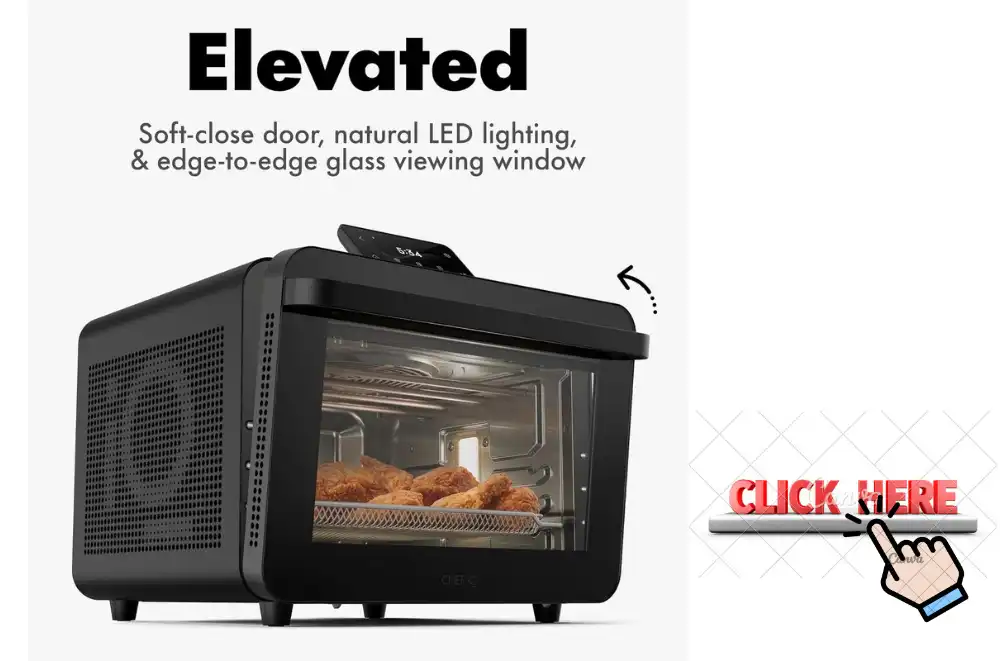
The Chef’s Oven is easier to carry for short trips or camping. Its lighter weight means less effort when moving it. The Dutch Oven, while sturdy, is bulky and heavier to lift. Carrying it for long distances can be tiring. The Chef’s Oven often comes with handles designed for comfort. Dutch Ovens have strong handles but are not made for frequent transport. Choose based on how often you plan to move your cookware.
Price And Value
Price and value matter a lot when choosing between a Chef’s Oven and a Dutch Oven. Both have different costs and benefits. Understanding these helps you decide which fits your budget and cooking needs.
Cost Differences
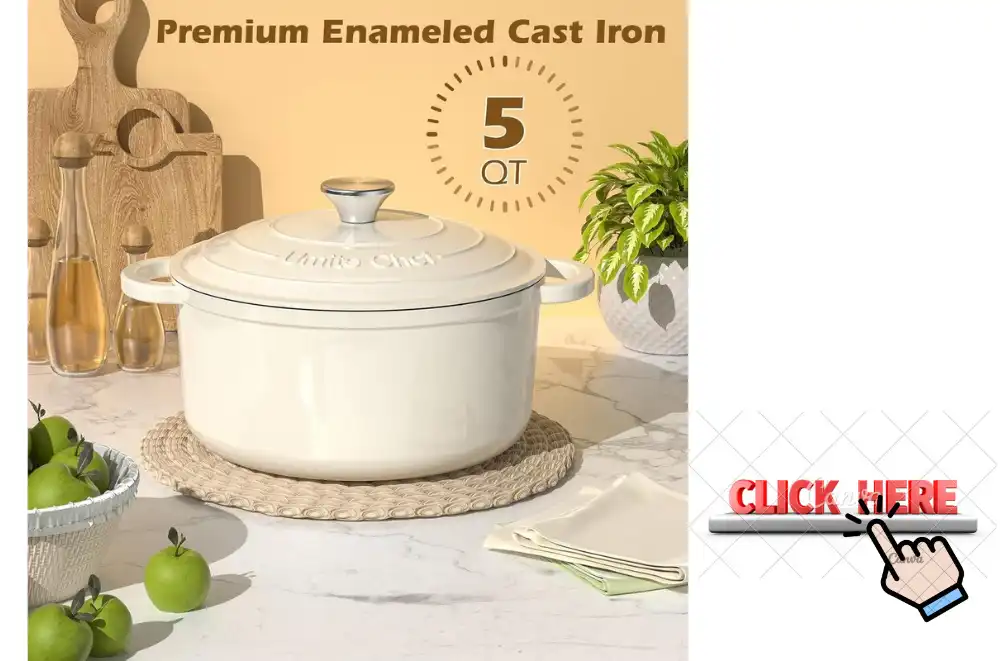
Chef’s Ovens usually cost more than Dutch Ovens. They have advanced features and modern designs. Dutch Ovens are simpler and often less expensive. Prices for Dutch Ovens start low but can rise for high-quality brands. Chef’s Ovens might need a bigger initial payment. The price gap depends on materials, size, and brand. Both offer options for different budgets.
Investment Benefits
Chef’s Ovens offer fast cooking and versatility. They save time and energy, adding value beyond price. Dutch Ovens last for decades if cared for well. Their strong build suits slow cooking and roasting. Both ovens improve meal quality, making them worth the cost. Consider how often you cook and what dishes you prefer. A good oven brings joy and saves money in the long run.
Choosing The Right Option
Choosing the right cookware can make cooking easier and more enjoyable. Both Chef’s ovens and Dutch ovens have unique features. Picking the right one depends on how you cook and your daily habits. Understanding these differences helps you decide which fits best in your kitchen.
Matching To Cooking Needs
Chef’s ovens often offer quick heating and precise temperature control. They suit recipes needing fast cooking or baking. Dutch ovens excel at slow cooking and simmering. Their thick walls keep heat steady for hours. Choose a Chef’s oven for roasting or baking bread. Pick a Dutch oven for stews, soups, or braises. Think about what dishes you prepare most.
Lifestyle Considerations
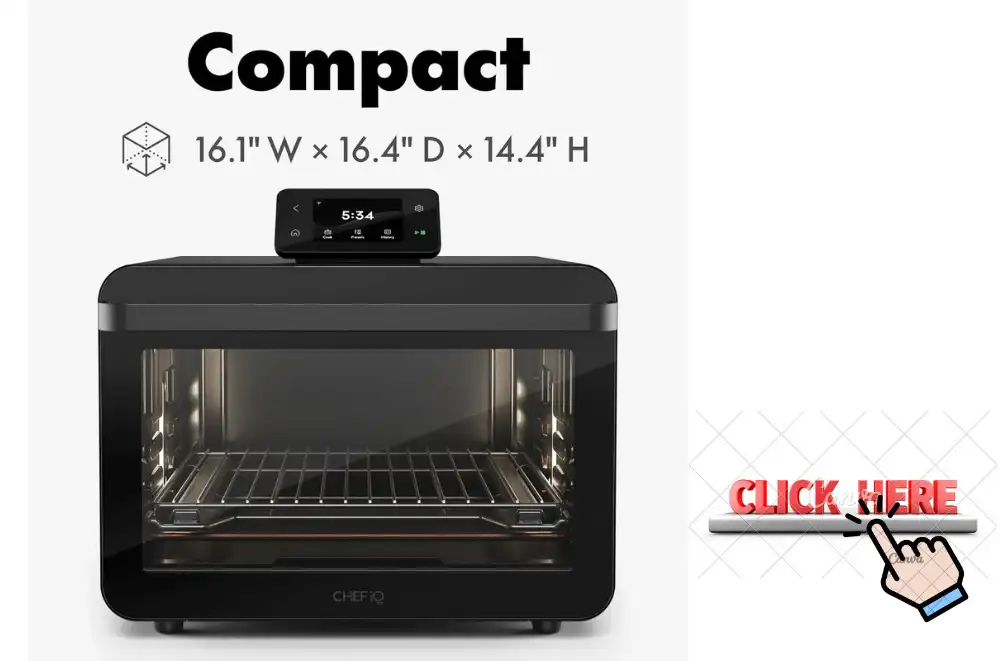
Your kitchen space matters. Chef’s ovens can be compact or built-in, saving room. Dutch ovens are usually heavy and take up more space. Consider how much time you spend cooking daily. If you cook quickly or in batches, Chef’s oven may work better. For slow, relaxed cooking, Dutch oven fits well. Also, consider cleaning ease and storage options.

FAQ: Chef’S Oven Vs Dutch Oven
What Is The Main Difference Between A Chef’s Oven And A Dutch Oven?
A Chef’s Oven is usually electric and has precise temperature control. A Dutch Oven is a heavy pot used on stovetops or in ovens for slow cooking.
Which Oven Is Better For Baking Bread, Chef’s Or Dutch Oven?
Dutch Ovens trap steam well, making them great for crusty bread. Chef’s Ovens offer even heat but lack the same steam effect.
Can A Dutch Oven Replace A Chef’s Oven For Cooking?
Dutch Ovens work well for slow cooking and stews but cannot bake like a Chef’s Oven. They serve different cooking needs.
Are Chef’s Ovens More Energy Efficient Than Dutch Ovens?
Chef’s Ovens use electricity and can be more energy efficient for baking. Dutch Ovens use stovetop heat and may take longer.
How Do Cleaning Methods Differ For Chef’s Oven And Dutch Oven?
Chef’s Ovens clean like regular ovens with wipes or sprays. Dutch Ovens need hand washing and careful drying to avoid rust.
Conclusion
Both Chef’s ovens and Dutch ovens have unique strengths. Chef’s ovens offer precise temperature control and even heat. Dutch ovens excel in slow cooking and heat retention. Choose based on your cooking style and needs. Both can improve your kitchen experience in different ways.
Try each to see which fits your routine best. Cooking becomes easier with the right tools. Enjoy experimenting and making tasty meals.