
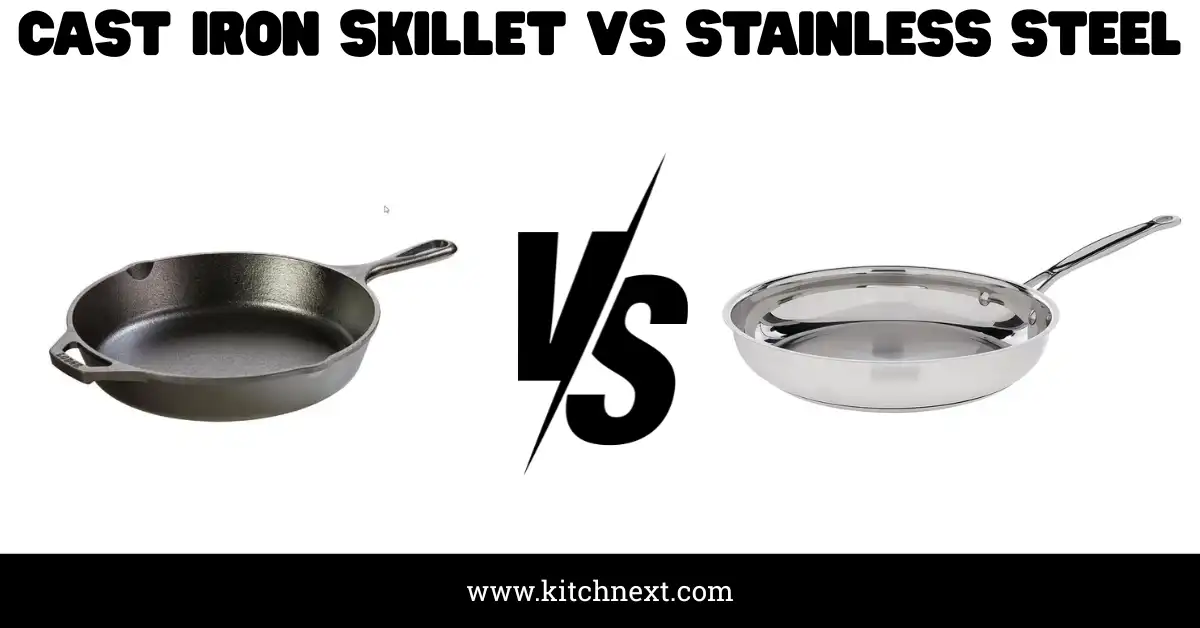
When it comes to choosing the right cookware, you might find yourself stuck between a cast iron skillet and stainless steel. Each has its own strengths, but which one really fits your cooking style and kitchen needs?
You want a pan that heats evenly, lasts long, and makes your meals taste better. But how do you decide? This article will help you understand the key differences, so you can pick the perfect skillet for your next meal.
Keep reading to find out which one will become your new favorite in the kitchen.
Table of Contents
Cast Iron Skillet Basics
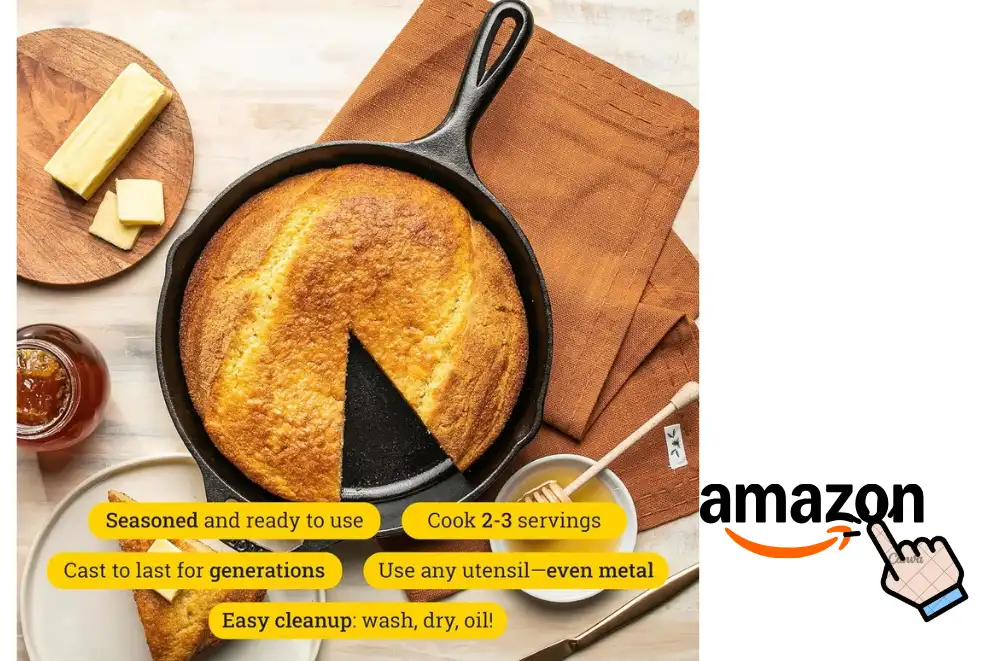
Cast iron skillets have been a kitchen favorite for many years. They offer unique qualities that make cooking enjoyable and effective. Understanding the basics of cast iron skillets helps in choosing the right pan for your cooking needs.
Material And Construction
Cast iron skillets are made from molten iron poured into molds. This process creates a heavy, solid pan. The thick walls provide strength and durability. These pans are usually coated with seasoning, a layer of oil baked onto the surface. This coating helps prevent rust and creates a natural non-stick surface.
Heat Retention And Distribution
Cast iron skillets hold heat very well. Once hot, they stay hot for a long time. This quality is perfect for searing meat and frying foods evenly. The thick material spreads heat slowly but keeps it steady. This even heat helps cook food without hot spots or burning.
Stainless Steel Cookware Features
Stainless steel cookware is popular in many kitchens. It is known for its strength and sleek look. Many chefs and home cooks choose it for its reliable performance.
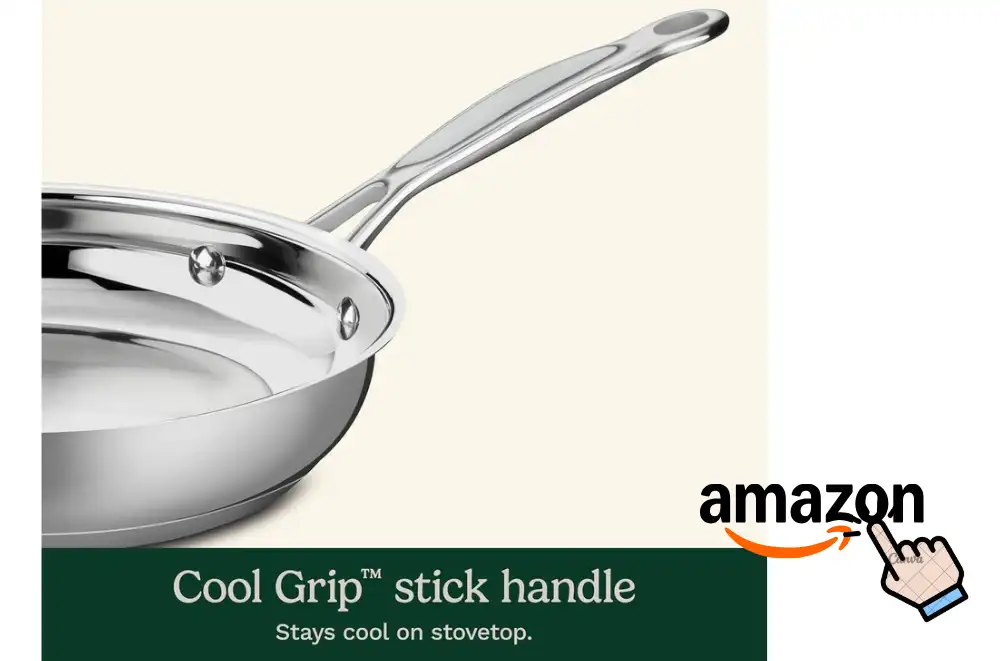
This type of cookware handles daily use well. It does not rust or stain easily. Cleaning is simple, and it stays shiny for years.
Composition And Durability
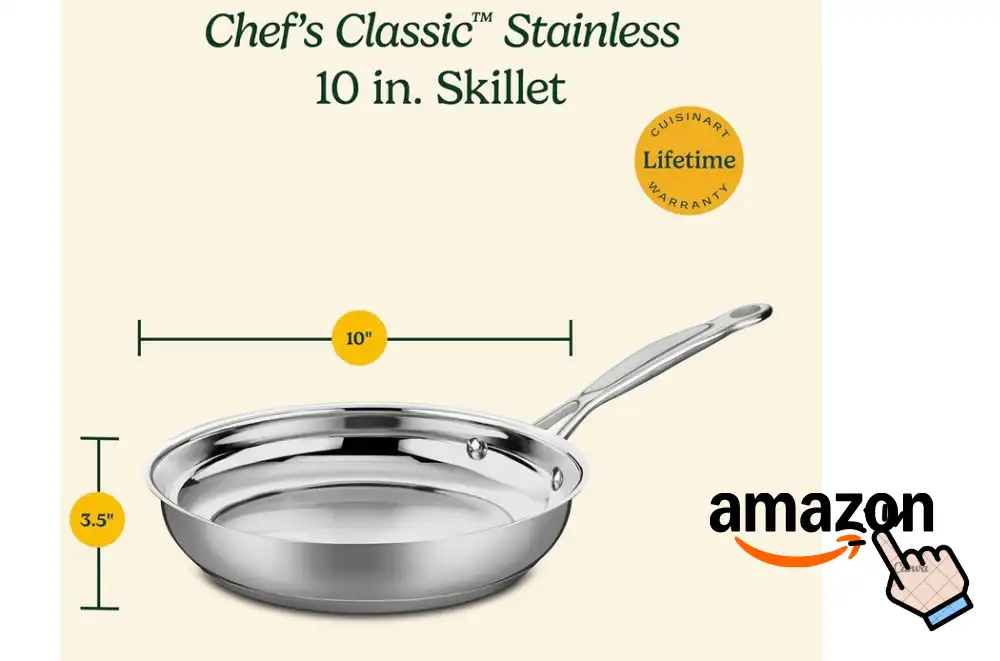
Stainless steel is made from iron mixed with chromium. This mix makes the surface resistant to rust and corrosion. It also prevents food from sticking too much.
Cookware made from stainless steel holds up against dents and scratches. It can last a lifetime if cared for properly. Its sturdy nature suits busy kitchens and frequent cooking.
Heat Conductivity
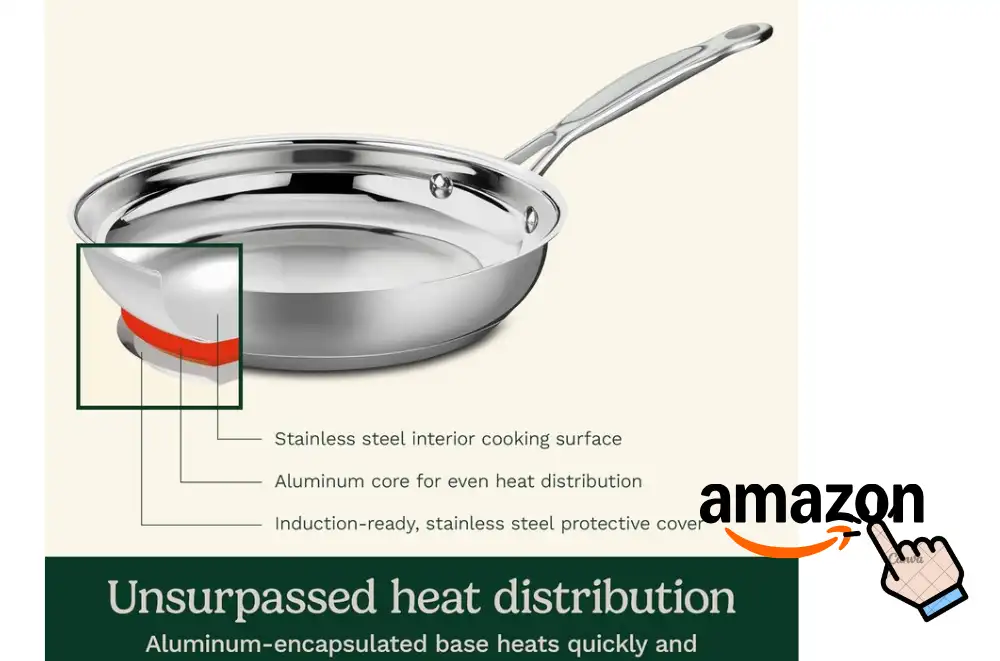
Stainless steel alone does not conduct heat well. Most pans have a layer of aluminum or copper inside. This layer spreads heat evenly across the surface.
Even heat helps cook food without hot spots. It reduces the risk of burning or undercooking. This feature is key for recipes that need steady temperatures.
Cooking Performance Comparison
Choosing between a cast iron skillet and stainless steel depends on cooking performance. Each pan offers unique benefits. Understanding how they handle heat and food can help you pick the right tool for your kitchen.
Searing And Browning
Cast iron skillets excel at searing meat. They hold heat well and create a strong, even crust. This makes steaks and chops taste rich and flavorful. Stainless steel heats quickly and evenly too. It can brown food nicely but cools faster than cast iron. For a perfect sear, cast iron often gives better results.
Non-stick Capabilities
Cast iron develops a natural non-stick surface with use. This seasoning improves cooking and cleanup. Foods like eggs and pancakes release easily after the pan is well-seasoned. Stainless steel is not naturally non-stick. It needs more oil or butter to prevent sticking. It can be tricky with delicate foods but works well for stir-frying and sautéing.
Maintenance And Care
Taking care of your cookware helps it last longer and cook better. Cast iron and stainless steel need different care routines. Knowing the right steps keeps your pans in top shape. Proper maintenance also protects the surface and flavor of your food.
Cleaning Tips For Cast Iron
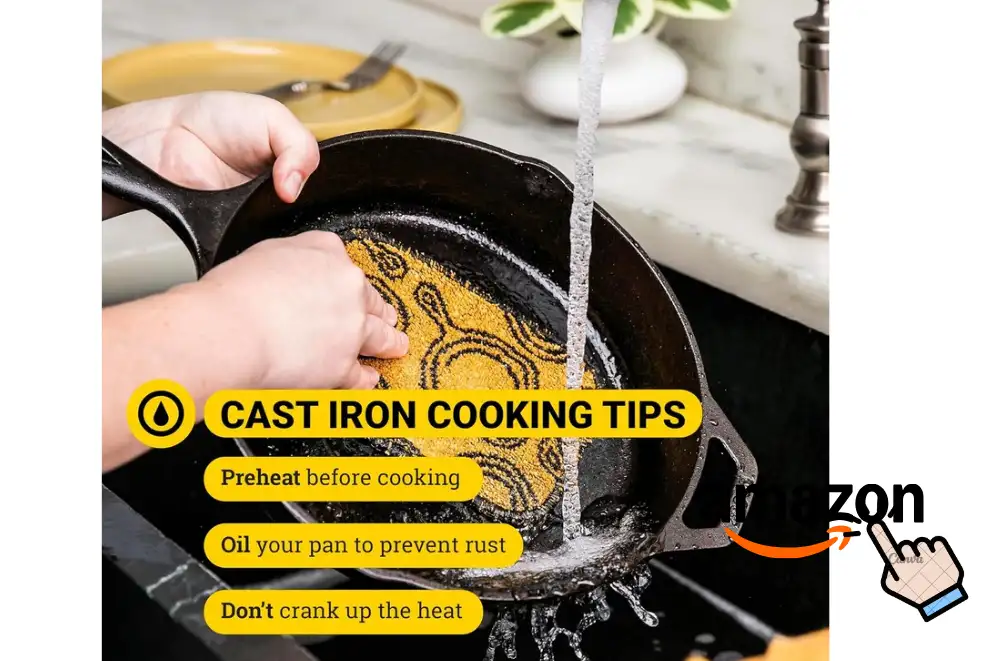
Clean cast iron right after cooking. Avoid using soap, as it can remove the seasoning. Use hot water and a stiff brush instead. For stuck-on food, scrub with coarse salt and a little water. Dry the skillet completely to stop rust. Apply a thin layer of oil after drying. Store in a dry place with a paper towel inside.
Maintaining Stainless Steel
Wash stainless steel with warm, soapy water after use. Use a soft cloth or sponge to avoid scratches. Remove stains with a mix of baking soda and water. For tough spots, use a stainless steel cleaner. Dry the pan fully to prevent water spots. Avoid high heat to keep the surface smooth. Regular cleaning keeps the pan shiny and rust-free.
Health And Safety Aspects
Health and safety are key when choosing cookware. Different materials react differently with food. This affects taste, nutrition, and safety. Understanding these effects helps you cook better and safer.
Reactivity With Foods
Cast iron can react with acidic foods like tomatoes. It may change the food’s taste and color. This reaction can also release small amounts of iron. Usually, this iron is safe and can be good for health. Stainless steel is non-reactive. It does not change food taste or color. It works well with all types of food, including acidic and salty dishes.
Seasoning And Coatings
Cast iron needs seasoning. Seasoning is a layer of oil baked onto the surface. It prevents rust and creates a natural non-stick finish. Proper seasoning also reduces iron transfer to food. Stainless steel has no seasoning. It uses a polished or brushed finish. It is easy to clean but may stick to food. Stainless steel does not rust or chip, making it very durable.
Versatility In The Kitchen
Both cast iron skillets and stainless steel pans offer great versatility in the kitchen. They handle many cooking tasks well. Choosing the right one depends on what you want to cook and how you plan to cook it.
Suitable Cooking Methods
Cast iron skillets are perfect for frying, searing, and slow cooking. They hold heat well, making them great for dishes that need steady heat. Stainless steel pans work best for sautéing, boiling, and making sauces. They heat up quickly and distribute heat evenly. Both pans can brown meat and cook vegetables nicely. Each type suits different cooking styles and recipes.
Oven And Outdoor Use
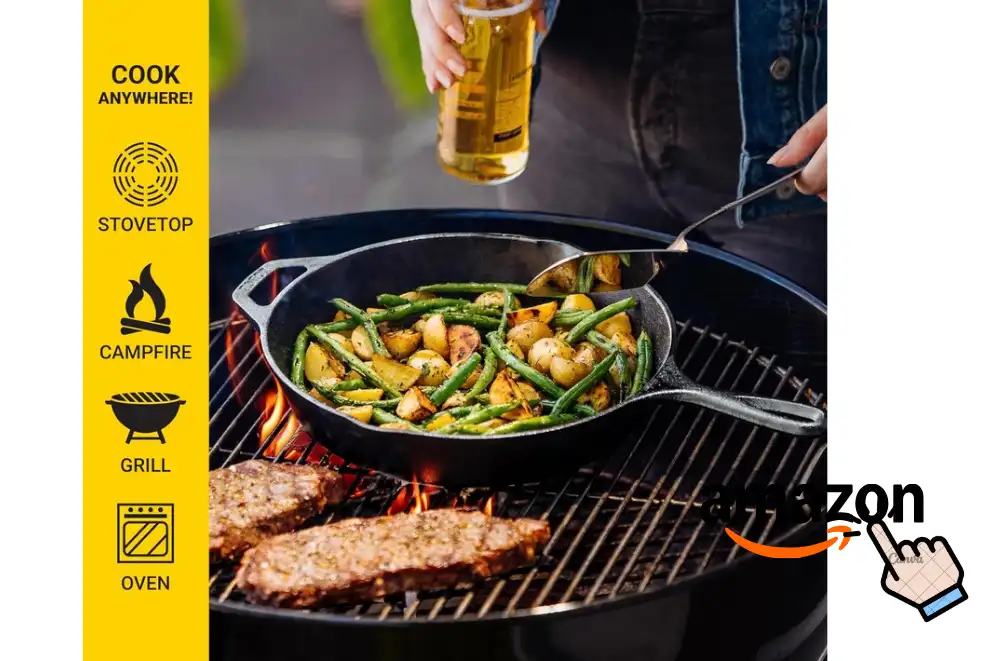
Cast iron skillets are ideal for oven cooking and outdoor grilling. They can handle high heat without damage. This makes them great for baking and roasting. Stainless steel pans can also go in the oven, but check the handle material first. Some handles may not be oven-safe. Cast iron is better for campfire cooking and open flames. Both pans add flexibility to your kitchen tools.
Cost And Longevity
Choosing between a cast iron skillet and stainless steel often depends on cost and how long each will last. These two factors help decide which pan fits your kitchen and budget better. Understanding the initial cost and durability helps avoid frequent replacements and saves money.
Initial Investment
Cast iron skillets usually cost less upfront. Basic models are affordable for most budgets. Stainless steel pans tend to be more expensive at first. They often come with multiple layers for better cooking. The price reflects the materials and design.
Consider what fits your budget. Sometimes paying a bit more at the start means better quality and performance. But affordable options still offer good cooking results.
Durability Over Time
Cast iron skillets can last for decades with care. They may develop a natural non-stick surface. Avoiding rust and proper seasoning keeps them in good shape. These pans might even improve with age.
Stainless steel pans resist rust and corrosion well. They handle high heat without warping. Their smooth surface is easy to clean and maintain. With proper use, stainless steel pans also last many years.
Both types offer long-term value. Your choice depends on your cooking habits and maintenance preferences.
Choosing The Right Skillet
Choosing the right skillet can change how you cook and enjoy meals. Both cast iron and stainless steel skillets have strong points. Knowing your needs helps pick the best skillet for your kitchen. This guide breaks down key factors to help you decide.
Cooking Style Considerations
Cast iron skillets heat evenly and keep heat well. They are great for frying, searing, and baking. Cast iron also adds a natural non-stick surface with use. Stainless steel heats quickly and cools fast. It is perfect for sautéing and cooking delicate foods. Stainless steel skillets do not react with acidic ingredients.
Budget And Preferences
Cast iron skillets usually cost less but need more care. They require seasoning and careful cleaning to last long. Stainless steel skillets are often pricier but easier to maintain. They resist rust and dishwasher safe. Your budget and cleaning habits guide your choice. Pick what feels right for your kitchen routine.
FAQ: Cast Iron Skillet Vs Stainless Steel
What Are The Main Differences Between Cast Iron And Stainless Steel?
Cast iron holds heat longer and cooks evenly. Stainless steel heats up quickly and resists rust. Each has unique cooking strengths.
Which Skillet Is Better For Searing Meat?
Cast iron is great for searing because it keeps high heat steady. Stainless steel works well but cools faster. Cast iron gives a better crust.
How Do Cleaning Methods Differ For These Skillets?
Cast iron needs gentle cleaning and must be dried well to avoid rust. Stainless steel can be washed with soap and water easily. Care varies a lot.
Can Both Skillets Be Used On All Cooktops?
Both skillets work on gas, electric, and induction cooktops. Cast iron is heavy but stable on burners. Stainless steel is lighter and heats faster.
Which Skillet Is Best For Beginner Cooks?
Stainless steel is easier to maintain and clean for beginners. Cast iron needs seasoning and care but lasts long. Choose based on your comfort level.
Conclusion
Both cast iron and stainless steel skillets have clear benefits. Cast iron holds heat well and adds flavor. Stainless steel heats quickly and cleans easily. Choose the skillet that fits your cooking style best. Think about your needs and care routine.
Either way, both pans can help you cook tasty meals. Enjoy experimenting in the kitchen with your chosen skillet. Cooking becomes easier with the right tool in hand.