
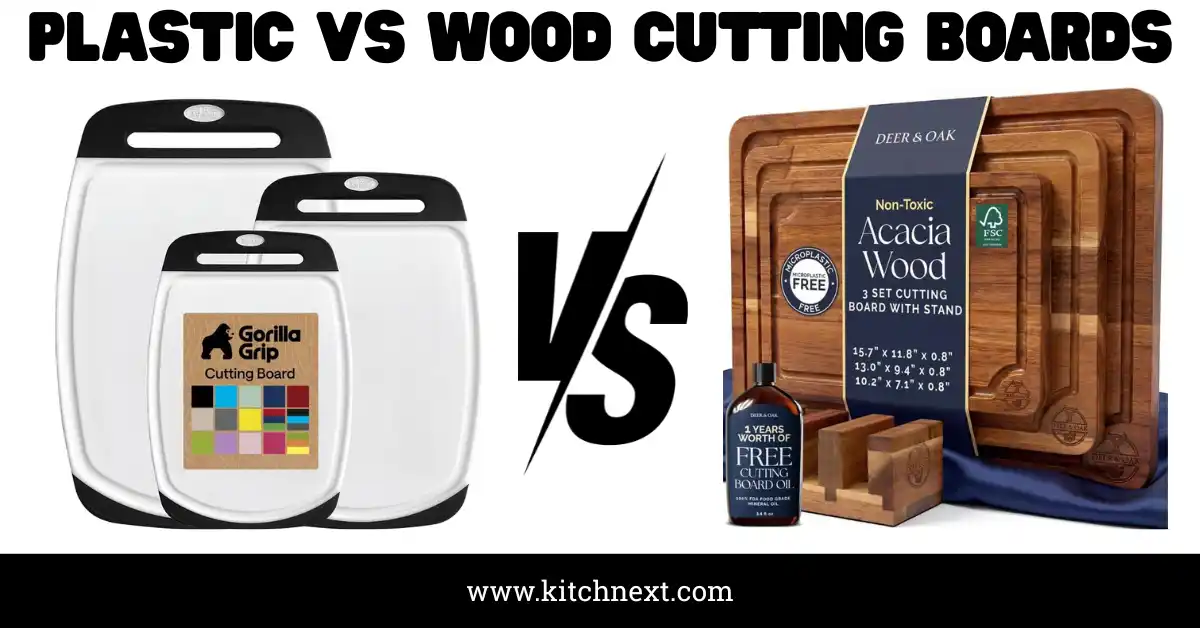
When people ask me about Plastic Vs Wood Cutting Boards, I always say both are good, but they fit different kitchens and cooking styles. Plastic boards are easier to clean and great for raw meat, while wood boards feel better to cut on and look much nicer on the counter. I have used both for years while cooking daily meals, BBQ prep, and family dinners, and each one has clear strengths and weak spots. If you want the best cutting board for your kitchen, this guide will help you pick the one that fits your cooking habits, budget, and cleanup routine.
Table of Contents
Are Plastic Cutting Boards Good?
Yes. I think plastic cutting boards are very good for daily food preparation. I use them almost every day in my kitchen. They are easy to clean, light to carry, and simple to store. I also like that most Plastic Cutting Boards are dishwasher-safe. That saves me time after cooking.
I first started using plastic boards when I needed a fast and low-mess setup for meal prep. I used a large board for raw chicken and another for fruit and vegetables. That helped me avoid cross-contamination. Since then, I have kept at least two boards in my kitchen at all times.
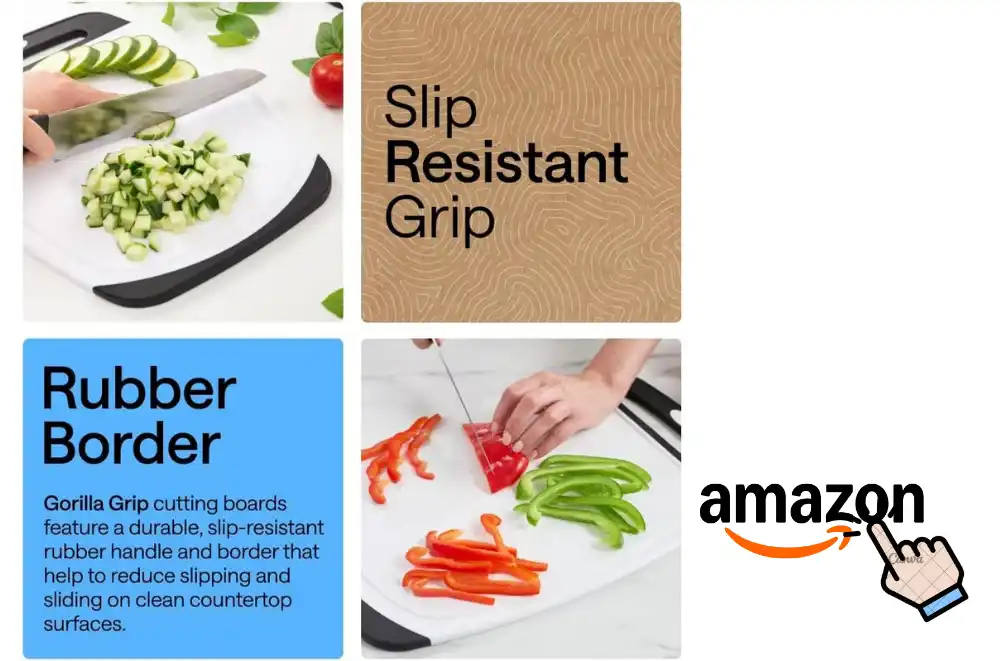
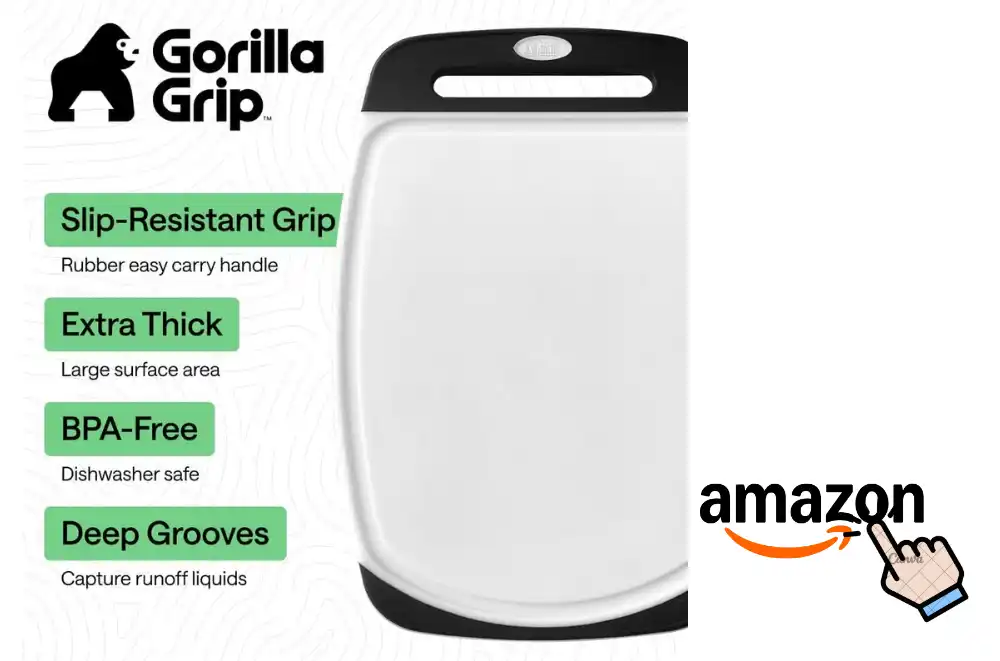
I also noticed that a good non-porous surface makes a big difference. My older wood board held stains and smells after cutting onions and meat. A plastic board cleaned much faster. Boards like the OXO Good Grips 2-Piece Cutting Board Set and GORILLA GRIP BPA-Free Reversible Kitchen Cutting Board Set of 3 felt cleaner and easier to maintain during busy cooking days.
Another thing I like is the grip. Some newer boards from OXO and GORILLA GRIP come with non-slip edges and juice grooves. That helps a lot when cutting meat or juicy fruit. I had fewer spills on my counter, and the board stayed in place while chopping.
Plastic Cutting Boards also work well for small kitchens in many US homes and apartments. They fit inside dishwashers easily, and most sets come in different sizes for quick prep work.
Still, not all plastic boards feel the same. Cheap boards can scratch fast. Deep knife marks may trap food over time. That is why I now look for thicker boards with a durable non-porous surface and BPA-free materials when possible.
What I Like
- Easy to clean: I love that most Dishwasher-Safe boards can go right into the dishwasher after dinner. That makes cleanup much easier on busy nights.
- Great for food safety: I feel more confident using separate Plastic Cutting Boards for meat, fruit, and vegetables. It helps reduce cross-contamination during food preparation.
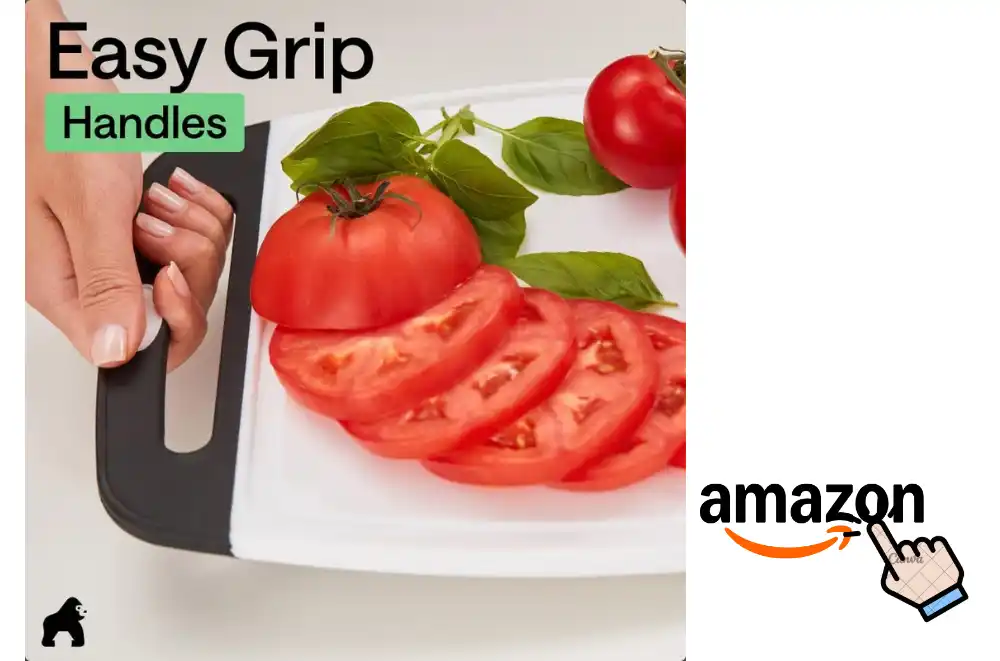
- Light and simple to use: I noticed boards from Empune and GORILLA GRIP are easy to move around the kitchen. The built-in handles and juice grooves also help keep prep cleaner.
What Could Be Better
- Knife marks can build up: After months of use, some plastic boards showed deep cuts from sharp knives. Those marks can make the surface look worn.
- Some boards slide too much: Lower-cost boards without rubber feet may move during chopping. I think non-slip edges should be standard on more models.
- Thin boards may warp: I had one thin plastic board bend slightly after many dishwasher cycles. Thicker boards usually last longer in my experience.
Recommendation
| Product | Material | Pieces | Key Features | Size | Weight | Price | Best For | Buy Amazon |
| Empune Extra Large Cutting Board Set | Plastic | 3 | Juice grooves, easy-grip handles, dishwasher safe | 17 x 11.8 in | 4.5 lbs | $19.23 | Budget-friendly large set | Buy on Amazon |
| GORILLA GRIP BPA-Free Cutting Board Set | BPA-free Plastic | 3 | Slip-resistant border, reversible, nonporous, dishwasher safe | 16.3 x 11.3 in | 4.2 lbs | $19.99 | Best grip and stability | Buy on Amazon |
| OXO Good Grips 2-Piece Cutting Board Set | Plastic | 2 | Double-sided, non-porous, durable, dishwasher safe | Compact multi-size | 2 lbs | $27.95 | Premium compact option | Buy on Amazon |
I think Plastic Cutting Boards are a smart choice for most home cooks. They work well for fast meal prep, daily cooking, and easy cleanup. I especially recommend them for busy families, apartment kitchens, and anyone who wants a low-maintenance kitchen tool.
If you cook raw meat often, a dishwasher-safe plastic board is a very practical option. I also think BPA-free sets with non-slip feet are worth the extra money for better safety and comfort.
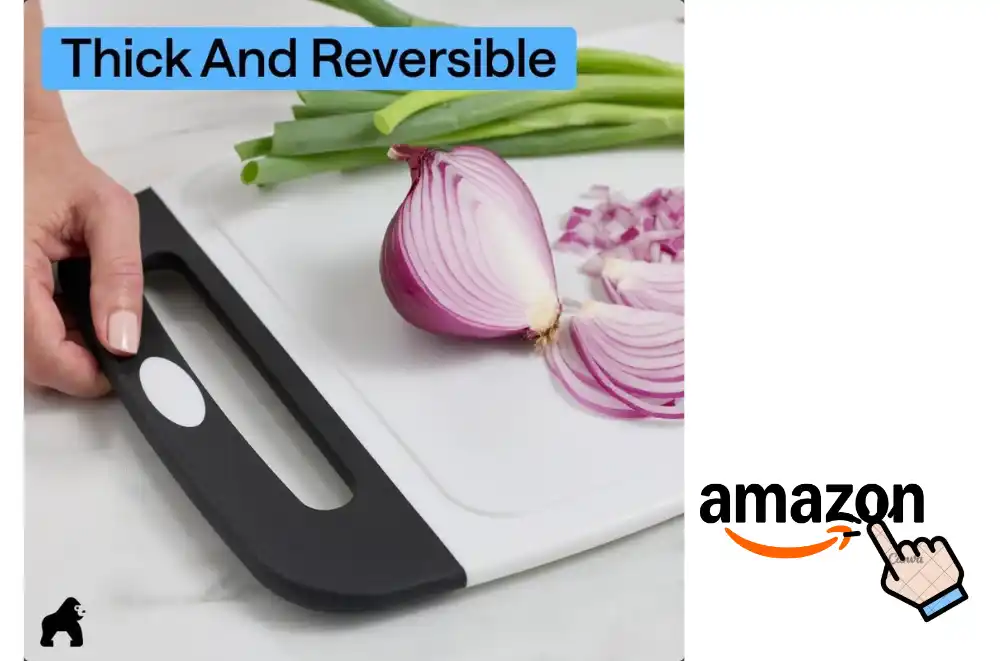
For light prep work, the OXO Good Grips 2-Piece Cutting Board Set feels compact and easy to handle. For larger meal prep sessions, bigger sets from Empune or GORILLA GRIP BPA-Free Reversible Kitchen Cutting Board Set of 3 offer more space and flexibility.
But if you care most about a natural look, lower knife wear, or long-term appearance, you may still want to compare plastic vs wood cutting boards before buying.
Are Wood Cutting Boards Good?
Yes. I think wood cutting boards are a great choice for most home kitchens. I have used both bamboo cutting boards and acacia wood boards for years. They feel strong, look warm, and stay gentle on my knives. I also like how they work as both prep boards and serving trays.
I first switched to a wood cutting board when my old plastic board started to hold stains and smells. The change was easy to notice. My knives stayed sharper. Chopping felt smoother. The kitchen also looked cleaner and more natural.
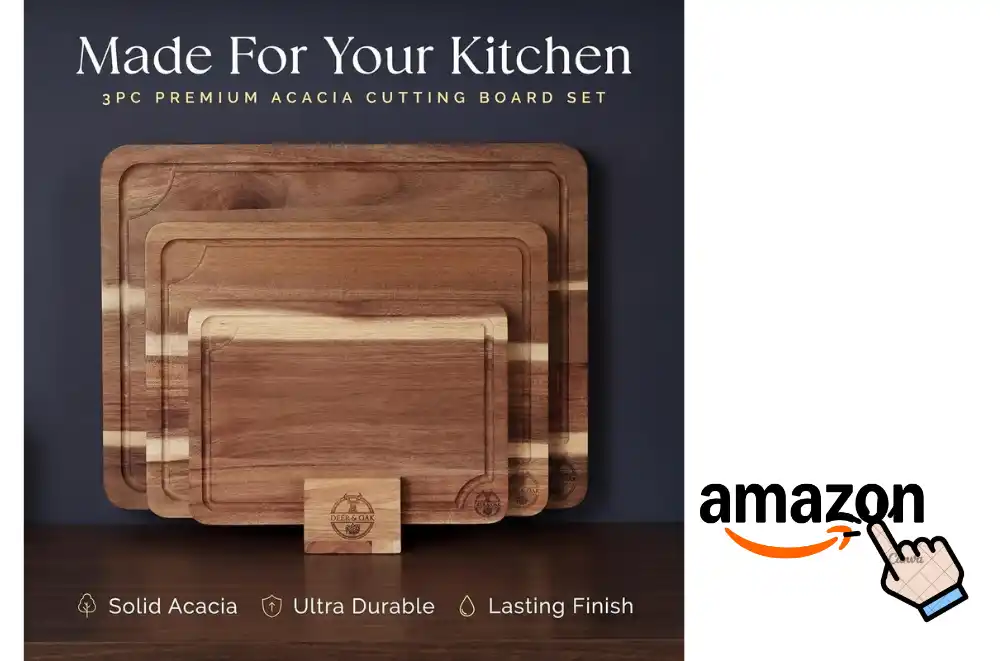
I tested boards from ROYAL CRAFT WOOD, Deer & Oak, and Astercook in daily cooking. I used them for meat prep, fruit slicing, and weekend barbecue meals. I also used them as charcuterie boards when friends came over.
The bamboo cutting board sets from ROYAL CRAFT WOOD and Astercook felt light but sturdy. They resisted water well and stayed smooth after many washes. The deep juice grooves helped keep my counters clean while cutting steak, chicken, and fruit.
The acacia wood set from Deer & Oak felt more premium and heavy. I liked it most for carving meat and serving barbecue. The wood grain looked rich on the table, especially during family dinners and holiday meals.
One thing I noticed is that wood cutting boards need more care than plastic. You cannot toss them in the dishwasher. I hand wash mine and oil them from time to time. Still, I think the extra care is worth it because they last longer and look better over time.
What I Like
- Knife-friendly surface: I noticed my kitchen knives stayed sharp longer on bamboo cutting boards and acacia wood boards. The softer wood surface felt much better than hard plastic.
- Great for serving: I often use these boards for charcuterie, cheese, and barbecue nights. The natural wood look feels warm and fits well in most USA kitchens.
- Strong and durable: My boards from ROYAL CRAFT WOOD and Astercook handled daily meal prep without cracking or warping. The Deer & Oak acacia wood board also held up very well during heavy meat prep.
What Could Be Better
- Needs hand washing: Wood cutting boards take more effort to clean than plastic boards. I cannot leave them soaking in water or place them in the dishwasher.
- Regular oiling helps: Acacia wood and bamboo can dry out over time. I had to use cutting board oil now and then to keep the surface smooth.
- Heavier large boards: Some larger boards, especially thick acacia wood boards, can feel heavy during cleaning or storage in smaller kitchens.
Recommendation
| Product | Material | Size / Set | Key Features | Weight | Price | Buy Amazon |
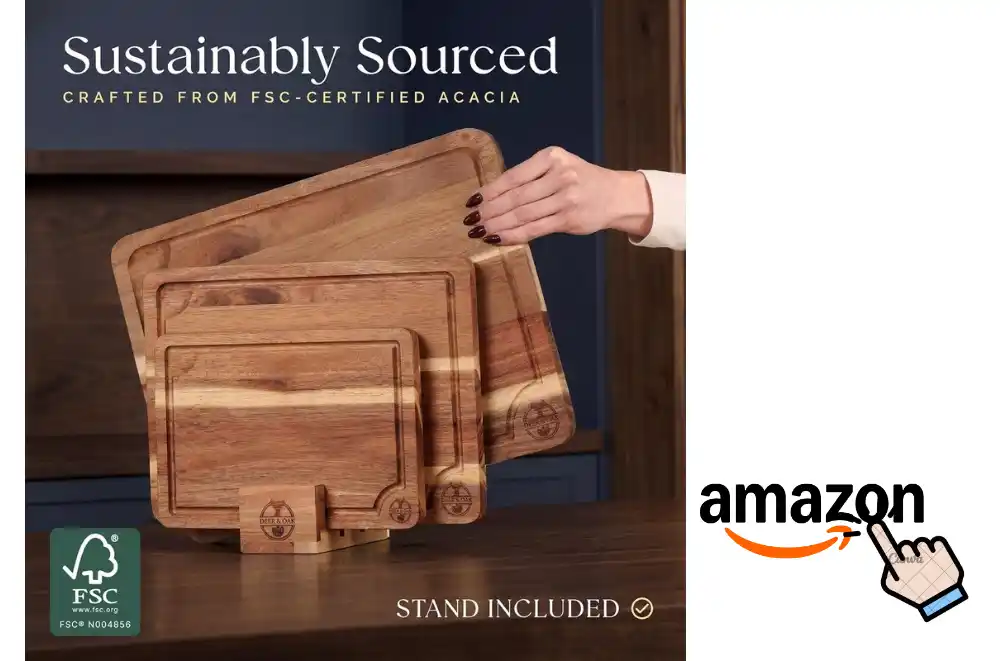
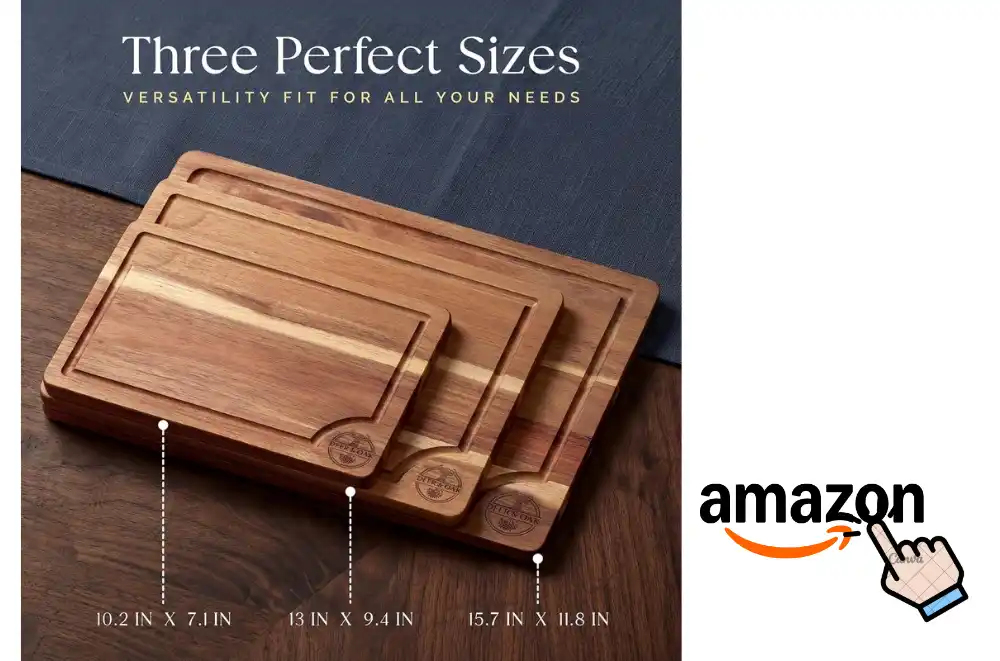
| Deer & Oak Pre-Oiled Acacia Cutting Board Set | Acacia Wood | 3-Piece Set | FSC certified, pre-oiled, non-toxic, includes stand & chopping board oil | 3.99 kg | $67.95 | Buy on Amazon |
| Astercook Deep-Carbonized Bamboo Boards | Bamboo | 3 Boards with Stand | Deep-carbonized bamboo, reversible, juice grooves, easy-grip handles | 4 lb | $23.72 | Buy on Amazon |
| ROYAL CRAFT WOOD Bamboo Cutting Board Set | Bamboo | 3-Piece Set | Deep juice groove, side handles, reversible, non-toxic | 4.1 lb | $36.97 | Buy on Amazon |
I think wood cutting boards are best for home cooks who want a durable, non toxic, and good-looking kitchen tool. They work very well for meal prep, carving meat, slicing fruit, and serving charcuterie.

If you cook often and care about keeping your knives sharp, a bamboo cutting board or acacia wood board is a smart choice. I think ROYAL CRAFT WOOD is great for everyday cooking, while Deer & Oak feels better for premium kitchens and barbecue fans. Astercook is a nice pick for smaller kitchens because the storage stand keeps things neat.
If you want something very low maintenance, plastic may still fit your needs better. But for looks, feel, durability, and knife care, I still prefer wood cutting boards in my kitchen.
Plastic Vs Wood Cutting Boards: Detailed Comparison
I have used both plastic and wood cutting boards in my kitchen for years. I like parts of both. Some days I grab plastic because it is easy. Other days I pick wood because it feels better when I cook.
Material & Durability: Plastic Vs Wood Cutting Boards
Plastic cutting boards feel light and simple. I used the OXO and GORILLA GRIP boards for fast meal prep. They handled daily chopping well. They also did not soak in smells fast. I liked that I could place them in the dishwasher after cutting meat or fish.
Wood cutting boards feel more solid and warm. I used bamboo boards from ROYAL CRAFT WOOD and acacia boards from Deer & Oak. These boards looked better on my counter. They also stayed strong after months of use. But I had to hand wash them and oil them from time to time.
Plastic boards can show knife marks fast. Deep cuts may trap food over time. Wood boards age better if you care for them well. They can last for years without looking bad. Bamboo and acacia also feel stronger during heavy prep work. That gave me more trust while cutting large vegetables or meat.
From my use, plastic felt easier for busy days. Wood felt more premium and calm when I cooked long meals. I noticed wood boards stayed stable longer while plastic boards slowly showed wear. Still, plastic boards worked great for daily fast prep and easy cleanup.
Plastic Cutting Boards Rating: 8/10
Wood Cutting Boards Rating: 9/10
Design & Size: Plastic Vs Wood Cutting Boards
Plastic cutting boards often come in many sizes. The Empune set gave me three useful sizes. I used the small one for fruit and the large one for meat. I liked that the boards were thin and easy to store.
Wood boards looked more stylish in my kitchen. The bamboo sets from Astercook came with a stand, and that helped keep things neat. The side handles also made serving easy during family dinners.
Plastic boards usually focus more on function. Wood boards focus more on beauty and serving. The wood grain and warm colors also made the kitchen feel more inviting. Some wood boards even worked as serving trays for snacks and cheese.
In my kitchen, plastic saves space. Wood made the kitchen feel warmer and more inviting. I also liked that wood boards looked nice even when left on the counter. Plastic boards were easier to stack and store in small cabinets.
Plastic Cutting Boards Rating: 8.5/10
Wood Cutting Boards Rating: 9/10
Item Weight: Plastic Vs Wood Cutting Boards
Plastic cutting boards are lighter. I could grab them with one hand and move them fast. This helped when I cooked quick meals or washed dishes in a hurry.
Wood cutting boards feel heavier. The acacia boards especially felt thick and sturdy. That extra weight helped the board stay in place while cutting.
Plastic works better if you want speed and easy lifting. Wood works better if you want a stable cutting surface. Heavy wood boards also reduced movement during chopping. That made cutting feel safer for me.
I noticed my wrists felt less tired with plastic boards. But wood boards felt safer during heavy chopping. The extra weight of wood also gave a more solid and premium feeling. Plastic boards were easier for quick everyday tasks.
Plastic Cutting Boards Rating: 9/10
Wood Cutting Boards Rating: 8/10
Recommended Uses For Product: Plastic Vs Wood Cutting Boards
Plastic cutting boards are great for raw meat, fish, and messy foods. I trusted them more when cutting chicken because I could clean them in the dishwasher. The juice grooves on the GORILLA GRIP boards also helped keep my counter clean.
Wood cutting boards worked best for bread, fruit, cheese, and serving food. I often used the bamboo boards as charcuterie trays when guests came over. They looked much nicer on the table.
Plastic boards fit fast daily prep. Wood boards fit cooking and serving together. I also noticed wood boards were gentler on soft fruits and fresh bread. Plastic felt more practical for messy kitchen jobs.
In real use, I found myself using plastic for safety and wood for comfort and style. I liked having both in my kitchen because each handled different tasks better. That mix made cooking easier and more enjoyable.
Plastic Cutting Boards Rating: 9/10
Wood Cutting Boards Rating: 8.5/10
Special Feature: Plastic Vs Wood Cutting Boards
Plastic cutting boards often have smart features. I liked the non-slip feet on the OXO boards. The juice grooves and easy-pour corners also helped reduce mess.
Wood cutting boards stand out because they are gentle on knives. My knives stayed sharper longer on bamboo and acacia boards. I also liked the natural grain and eco-friendly feel.
Plastic focuses on convenience. Wood focuses on cooking feel and presentation. Some wood boards also came with side handles and storage stands, which made storage easier. That added a nice touch in my kitchen.
From my experience, plastic boards made cleanup faster. Wood boards made cooking feel more enjoyable. I also noticed wood boards looked more premium during serving. Plastic boards were more about speed and daily ease.
Plastic Cutting Boards Rating: 8.5/10
Wood Cutting Boards Rating: 9/10
Price & Warranty: Plastic Vs Wood Cutting Boards
Plastic cutting boards usually cost less. You can get a full set for a fair price. That makes them good for students, apartments, or large families.
Wood cutting boards cost more, especially acacia sets like Deer & Oak. But they also look more premium and can last a long time with care.
Plastic gives better short-term value. Wood gives better long-term value if you maintain it. Many wood boards also feel more like a kitchen investment because of their style and strength.
I felt plastic was easier on the budget. But wood felt like a better kitchen investment over time. If you cook often, the better feel and longer life of wood may be worth the extra cost. Plastic still wins for affordable daily use.
Plastic Cutting Boards Rating: 9/10
Wood Cutting Boards Rating: 8.5/10
Performance: Plastic Vs Wood Cutting Boards
Plastic cutting boards performed well during busy meal prep. They cleaned fast and handled wet foods well. I liked using them when I cooked many meals in one day.
Wood cutting boards felt smoother and quieter while cutting. My knife moved better on the surface. I also noticed less slipping during prep.
Plastic wins for fast cleanup. Wood wins for cutting feel and comfort. The softer wood surface also helped my knives stay sharp longer. That made cutting smoother during long prep sessions.
In daily use, I reached for plastic when rushed and wood when I wanted a better cooking experience. Wood boards made cooking feel calmer and more enjoyable. Plastic boards made cleanup fast and stress-free.
Plastic Cutting Boards Rating: 8.5/10
Wood Cutting Boards Rating: 9/10
Ease of Use: Plastic Vs Wood Cutting Boards
Plastic cutting boards are very easy to use. They are light, dishwasher-safe, and simple to store. I never worried much about care.
Wood cutting boards need more work. I had to hand wash them and dry them well. Sometimes I added oil to keep the wood smooth.
Plastic is easier for most people. Wood needs a little care but feels more rewarding. I also noticed wood boards needed more counter space because of their thicker size.
For quick kitchen work, plastic felt stress-free. For slower cooking days, wood felt worth the extra effort. Once cleaned and dried, the wood boards looked beautiful again. Plastic boards stayed simple and practical every day.
Plastic Cutting Boards Rating: 9.5/10
Wood Cutting Boards Rating: 8/10
Value for Money: Plastic Vs Wood Cutting Boards
Plastic cutting boards give strong value for daily use. They are affordable, easy to replace, and simple to maintain.
Wood cutting boards cost more at first, but many last longer and look better over time. They also work as serving boards, which adds extra value.
Plastic gives practical value. Wood gives lifestyle value. A good wood board can improve both cooking and kitchen style. That made wood feel more special in daily use.
I think plastic is smarter for tight budgets. Wood is better if you love cooking and want a nicer kitchen setup. Both can be worth the money depending on what matters most to you. I liked having both for different reasons.
Plastic Cutting Boards Rating: 9/10
Wood Cutting Boards Rating: 8.5/10
Overall: Plastic Vs Wood Cutting Boards
Plastic and wood cutting boards both work well. The better choice depends on your cooking style.
Plastic cutting boards are easier to clean, lighter, and better for raw meat. They fit busy kitchens and fast cooking.
Wood cutting boards feel more premium, protect knife edges better, and look beautiful on the counter. They make cooking feel more enjoyable. Wood boards also work well for serving guests and making the kitchen feel warm.
In my kitchen, I still use both. I use plastic for fast daily prep and wood for relaxed cooking and serving guests. That mix works best for me because each type has its own strengths. If you want easy care, go with plastic. If you want a better feel and style, wood is a great choice.
Final Plastic Cutting Boards Rating: 8.8/10
Final Wood Cutting Boards Rating: 8.9/10
FAQ : Plastic Vs Wood Cutting Boards
Which is better in Plastic Vs Wood Cutting Boards for raw meat?
Plastic cutting boards are better for raw meat because they clean fast in the dishwasher and resist moisture well. Learn more about safe kitchen prep and cleaning tips.
Do wood cutting boards dull knives faster than plastic boards?
No. Wood cutting boards are usually gentler on knife edges than plastic boards. Many home cooks like wood because blades stay sharp longer with daily use.
Are plastic cutting boards safer than wood cutting boards?
Plastic cutting boards feel safer for easy sanitizing, but well-kept wood boards are also safe. Learn more about hygiene, knife marks, and board care.
Which option lasts longer in Plastic Vs Wood Cutting Boards?
Wood cutting boards often last longer with proper care and oiling. Plastic boards are easier to replace but may show deep knife cuts over time.
Are wood cutting boards worth the higher price?
Wood cutting boards cost more, but many people love the premium feel, knife-friendly surface, and serving style. Learn more about long-term value and durability.