

Carbon steel excels at fast, seasoned stir-fries; stainless steel wins for easy care and steady everyday cooking.
You want a wok that can handle a quick weeknight stir-fry without adding fuss to cleanup. In the Carbon Wok Vs Stainless Steel choice, a carbon steel wok offers fast heat and a seasoning layer that improves with use, while a stainless steel wok is easier to care for. I’ve used both for everyday meals, and each has clear strengths. Here’s what matters when you choose one for your kitchen.
Is a Carbon Steel Wok Good?
Yes, a carbon steel wok is a strong choice if you enjoy high-heat cooking and don’t mind a little care after each meal. It heats quickly, responds fast when you turn the burner up or down, and can build a slick surface as you season it. The Babish 14-inch flat-bottom wok is designed for use on induction cooktops, as well as other compatible heat sources. In the Carbon Wok Vs Stainless Steel matchup, it’s the more hands-on option, but it can be very rewarding.
I like carbon steel for meals that need quick tossing, such as vegetables with noodles or thin slices of meat. After cooking, I wash the pan, dry it well, and rub on a thin coat of oil. That small routine helps prevent rust. One evening, I used a hot wok to cook a fast vegetable stir-fry; the pan browned the food well, and the flat base sat steadily on my cooktop. It does take practice to manage heat and keep food from sticking, but that skill soon becomes part of the routine.
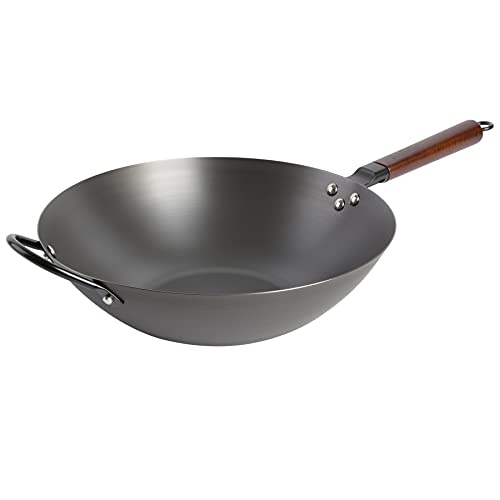
What Makes It Stand Out / Key Features
- 14-inch cooking surface for stir-fries and other wok meals.
- Flat bottom sits on compatible flat cooktops.
- Product listing names induction as a compatible heat source.
- Carbon steel responds quickly to changes in heat.
- Seasoning can build a protective, slick cooking surface over time.
What I Like
- It heats fast, which helps when cooking food in quick batches.
- The flat base makes it easier to use on many home stoves than a round-bottom wok.
- It suits stir-frying, searing, and tossing small pieces of food.
- Its surface can improve with regular use and proper seasoning.
- It gives me close control over cooking heat once I learn how it responds.
What Could Be Better
- It needs to be dried well after washing to help prevent rust.
- It may need seasoning before use and care to maintain that layer.
- Food can stick if the pan is not hot enough or the seasoning is not ready.
My Recommendation
Choose it if you stir-fry often and are happy to care for carbon steel. Check the current price and listing details before buying, as availability and offers can change.
| Best For | Why |
|---|---|
| Frequent stir-fry cooks | It heats quickly and suits fast cooking. |
| Induction users | The product listing names induction as compatible. |
| Hands-on home cooks | Seasoning and regular use can build a useful cooking surface. |
Is a Stainless Steel Wok Good?
Yes, a stainless steel wok is a good fit if you want a pan that asks less of you after dinner. Unlike carbon steel, stainless steel does not need a seasoning layer to guard it from rust. The 14.5-inch wok in this comparison comes with a steel lid and dual handles. In the Carbon Wok Vs Stainless Steel decision, it makes a practical case for cooks who value easy care and a larger pan. Stainless steel can still stick, so I preheat it and use enough oil when I cook.
For a simple dinner, I find stainless steel handy when I want to cook vegetables, meat, or noodles and then wash the pan without tending to a patina. Its lid is useful when I want to cover food briefly, such as to help soften firm vegetables. The dual handles also offer a different way to lift and move a wide pan, though a full wok can be awkward to carry. It does not react to heat as quickly as carbon steel may, and getting the right preheat takes a little attention. Still, it feels straightforward once I know how the pan behaves.

What Makes It Stand Out / Key Features
- 14.5-inch size provides a broad cooking area.
- Stainless steel construction does not need seasoning.
- A steel lid is included for covered cooking.
- Dual handles offer two points to hold the pan.
- The non-reactive cooking surface works with many kinds of food.
What I Like
- I can wash it without trying to protect a seasoning layer.
- The lid helps when I want to cover food during cooking.
- Dual handles give me a secure way to hold the pan with both hands.
- Stainless steel handles acidic foods without the concerns that can come with a damaged seasoning layer.
- The large size is useful when I want room to toss or mix ingredients.
What Could Be Better
- Food may stick if I add it before the pan is properly heated or use too little oil.
- It does not build the seasoned cooking surface that carbon steel can develop.
- A wide, full pan may take effort to lift, even with two handles.
My Recommendation
Consider it if easy cleanup, a lid, and a roomy pan matter more to you than carbon steel’s fast heat response. Compare the current price and listing details before ordering.
| Best For | Why |
|---|---|
| Low-fuss home cooks | It needs no seasoning routine. |
| Covered cooking | The steel lid comes with the wok. |
| Cooking larger portions | Its 14.5-inch size offers a broad cooking area. |
Carbon Wok Vs Stainless Steel: Side-by-Side Test
I compared the two by looking at the parts of everyday cooking that matter most: heat, upkeep, handling, and the tasks each pan suits. This Carbon Wok Vs Stainless Steel breakdown can help you match the wok to your kitchen habits.
Heat Response: Which Heats Up Faster?
Both pans can cook a stir-fry, but they respond to heat in different ways.
| Test | Carbon Steel Wok | Stainless Steel Wok |
|---|---|---|
| Heating feel | Heats quickly | May take longer to preheat |
| Heat changes | Responds quickly when you adjust the burner | Can feel steadier once hot |
| Stir-fry use | Well suited to fast, high-heat cooking | Works well with careful preheating |
| Rating | Carbon steel — 9/10 | Stainless steel — 7/10 |
Carbon steel has the edge for fast heat response, which helps with quick stir-fries.
Care and Cleanup: Which Is Easier?
The main difference here is whether you want to maintain a seasoning layer.
| Task | Carbon Steel Wok | Stainless Steel Wok |
|---|---|---|
| Seasoning | Needs seasoning and care to maintain it | No seasoning needed |
| After washing | Dry fully to help prevent rust | Wash and dry as needed |
| Routine | More hands-on | More straightforward |
| Rating | Carbon steel — 7/10 | Stainless steel — 9/10 |
Stainless steel wins for simple care because it does not need seasoning or rust-prevention steps.
Food Release: Which Is Less Likely to Stick?
Neither wok is nonstick by default, so good heat control matters.
| Cooking detail | Carbon Steel Wok | Stainless Steel Wok |
|---|---|---|
| Surface | Can become slick with seasoning | Uncoated steel cooking surface |
| Best approach | Preheat and use a well-kept seasoning layer | Preheat and use enough oil |
| Learning curve | Needs seasoning and heat practice | Needs preheat and oil practice |
| Rating | Carbon steel — 8/10 | Stainless steel — 7/10 |
Carbon steel can have an advantage once seasoned, but both pans need the right heat and oil to limit sticking.
Design and Handling: Which Fits Your Kitchen?
The pan’s size and shape affect how it sits on your stove and how you move it.
| Feature | Carbon Steel Wok | Stainless Steel Wok |
|---|---|---|
| Size listed | 14 inches | 14.5 inches |
| Base or handles listed | Flat bottom | Dual handles |
| Included extra | No lid is listed in the supplied product name | Steel lid |
| Rating | Carbon steel — 8/10 | Stainless steel — 9/10 |
Stainless steel offers more listed extras, while the carbon steel wok’s flat base suits flat cooktops.
Cooking Range: Which Handles More Tasks?
Both can make stir-fries, but their materials make them better suited to different routines.
| Use | Carbon Steel Wok | Stainless Steel Wok |
|---|---|---|
| Quick stir-fries | Excellent fit | Good fit with careful heat control |
| Covered cooking | No lid is listed with this product | Steel lid included |
| Low-effort cleanup | Needs extra care after washing | Simple to wash and dry |
| Rating | Carbon steel — 8/10 | Stainless steel — 8/10 |
They tie for range: choose carbon steel for fast stir-frying or stainless steel for its lid and easy-care routine.
Value for Money: Which Offers More for You?
Value depends on which features you will use, so check current prices before you decide.
| Value point | Carbon Steel Wok | Stainless Steel Wok |
|---|---|---|
| Standout feature | Fast response to heat | Lid and dual handles |
| Ongoing care | Requires seasoning and careful drying | No seasoning routine |
| Best value for | Frequent stir-fry cooks | Everyday cooks who want easy care |
| Rating | Carbon steel — 8/10 | Stainless steel — 8/10 |
There’s no clear value winner without current prices: each wok earns its keep in a different kind of kitchen.
Final Verdict: Which Should You Buy?
Choose the Babish carbon steel wok if fast heat and stir-frying matter most, and you are willing to season and dry it with care. It suits cooks who enjoy learning how a pan responds.
Pick the stainless steel wok if you want simpler upkeep, a lid, and dual handles. In the Carbon Wok Vs Stainless Steel choice, your cooking habits—not a single universal winner—should guide you.
FAQs Of Carbon Wok Vs Stainless Steel
Which wok is better for stir-frying?
Carbon steel heats quickly and suits fast stir-frying. Stainless steel also works well, but it needs careful preheating and enough oil.
Does a carbon steel wok need seasoning?
Yes. Seasoning helps protect carbon steel from rust and can create a slicker cooking surface. Dry the wok well after washing.
Is stainless steel easier to clean than carbon steel?
Usually, yes. Stainless steel does not need a seasoning layer, while carbon steel needs careful drying and ongoing care.
Can I use the carbon steel wok on an induction cooktop?
The Babish product listing names induction as a compatible heat source. Check the current listing and your cooktop instructions before buying.
Which wok is less likely to make food stick?
A well-seasoned carbon steel wok may release food more easily, but neither pan is nonstick by default. Preheat both and use enough oil.