
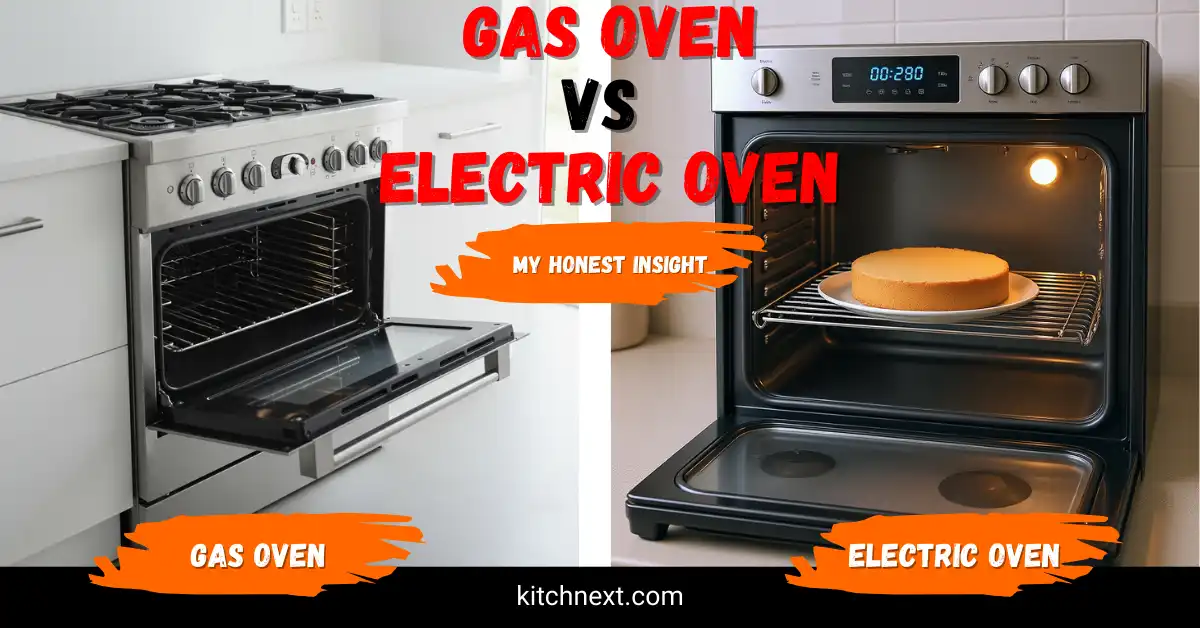
When I first started cooking, the big question was gas vs electric oven. Both looked great on paper, but using them showed me how different they really feel in the kitchen. Gas gave me fast heat and steady flames, while electricity made baking simple and even. Over time, I’ve learned the strengths of each, from weeknight meals to slow weekend baking. If you’ve ever wondered which fits your style, I’ll share what I’ve found so you can pick with confidence.
Table of Contents
Gas Oven Review
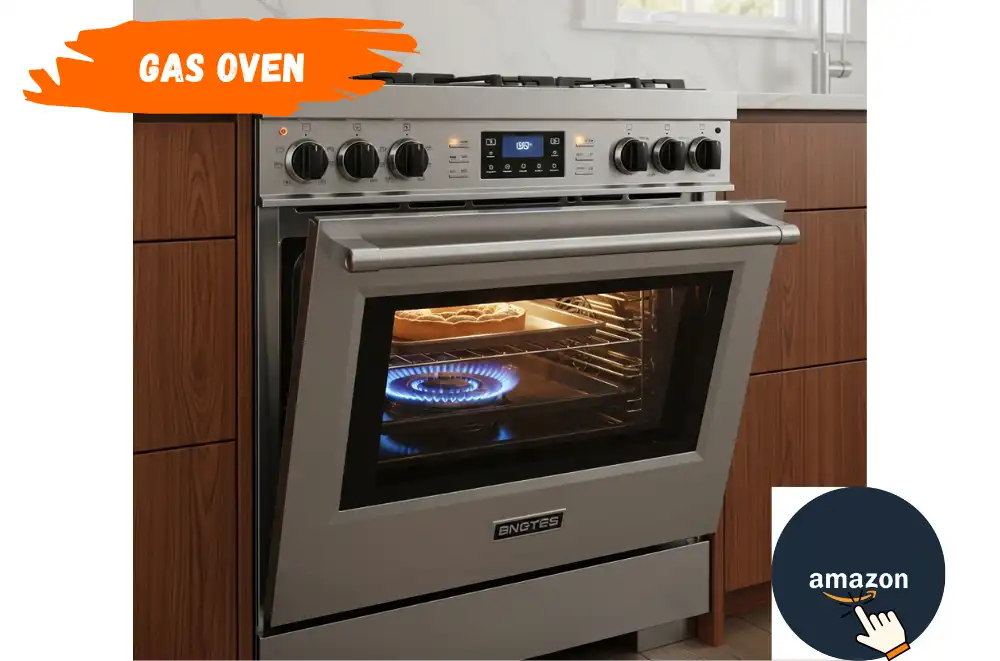
I’ve been using gas ovens for years, and they’ve become a steady part of my daily cooking. They feel simple, reliable, and always ready to help me prepare meals with ease.
Check Latest Price and Offer at Amazon
What I Like
I’ve cooked on gas ovens for years, and there are a few things that make me enjoy using them every single day.
- Quick Heat – The burners respond fast. When I turn the knob, the flame is instant. This saves me time, especially on busy evenings.
- Even Cooking – My cakes and casseroles come out with a golden top and no raw spots in the middle. It feels reliable, almost like a cooking partner.
- Control Over Flame – I love how I can see and adjust the flame. It gives me confidence, whether I’m simmering soup or searing steak.
- Great for baking – The steady heat keeps my bread soft inside and crisp outside. It feels like bringing bakery results home.
- Durable Design – Most gas ovens are built strong. Mine has lasted years with only small cleaning needs.
What Could Be Better
No oven is perfect, and gas ovens have their little quirks too. But these are things I’ve learned to live with, and they don’t stop me from loving mine.
- Cleaning Takes Effort – Food spills can stick to the racks and trays. A good habit of wiping right after use makes it much easier.
- Gas Smell Sometimes – At times, I notice a faint smell when lighting the oven. It goes away fast, but good ventilation helps.
- Preheating is slower – Compared to some electric ovens, it takes a bit longer to reach the right temperature. I usually start it a few minutes early.
- Space Can Be Tight – Some models are compact, which is fine for small kitchens but can be tricky when cooking for a big family.
My Personal Experience
I’ve been using gas ovens for more than two years, both at home and while helping friends set up their kitchens. It’s one of those appliances that feels like second nature once you get used to it.
Check Latest Price and Offer at Amazon
Design
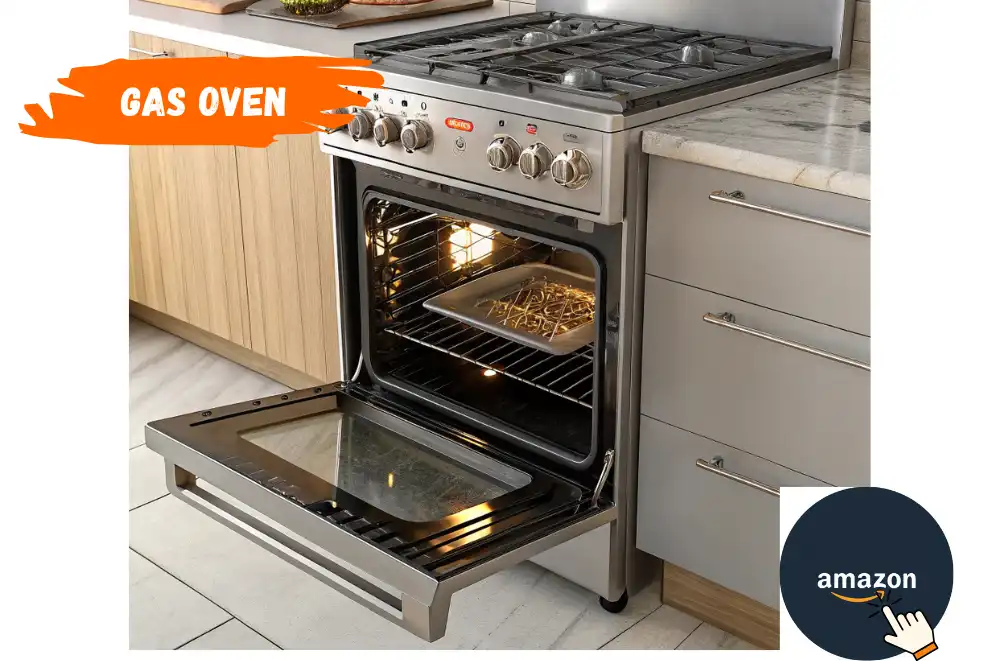
What I like most about gas oven design is the simple, timeless look. The knobs, the clear flame, and the oven cavity all feel practical and user-friendly. My oven fits neatly in my small kitchen without taking over the space. It’s like a silent guest—always there but never in the way.
Performance
Performance is where gas ovens shine. I can roast chicken with crispy skin, bake soft muffins, and still have space to cook a side dish. The direct flame makes frying pans heat up faster, which is perfect when I don’t want to wait. Sure, it takes a bit more care to avoid hot spots, but once I learned how it behaves, it became very predictable.
Build Quality
Gas ovens, in my experience, are built like sturdy workhorses. Mine has handled daily cooking, heavy baking days, and even outdoor gatherings when I set it up in a makeshift kitchen. The racks are strong, the knobs feel solid, and the door closes with a reassuring sound. It’s not flawless—small scratches do show over time—but the durability has truly impressed me.
Overall, gas ovens balance tradition and performance in a way that few other kitchen tools can. They make cooking feel hands-on, yet still give consistent results. For anyone looking for a reliable kitchen companion, a gas oven is worth considering.
Electric Oven Review
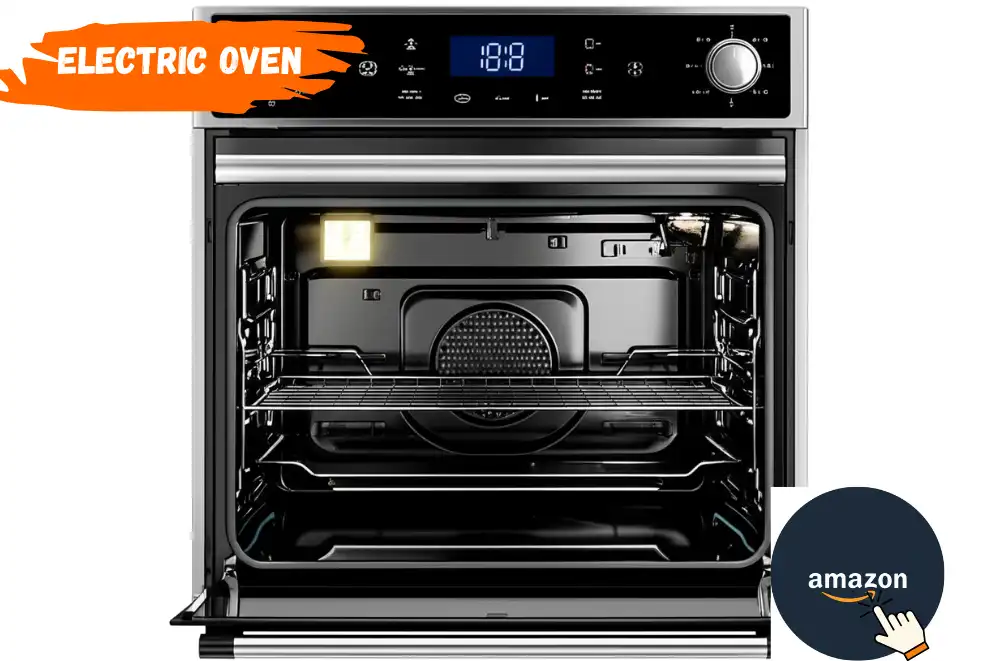
I’ve been using electric ovens for years, and they’ve truly changed the way I cook. They are easy to use, reliable, and make baking and roasting feel simple and fun.
Check Latest Price and Offer at Amazon
What I Like
I’ve used electric ovens for years, and here’s what makes me enjoy them the most:
- Even Cooking – Food comes out golden on all sides. No half-baked spots, which makes baking stress-free.
- Precise Temperature – I can trust the heat setting. This helps me bake delicate items like cookies without worry.
- Simple Controls – The knobs and digital panels are easy to use. It saves time, especially on busy days.
- Versatile Functions – From roasting chicken to baking pizza, one oven handles it all. That makes it practical for everyday cooking.
- Energy Efficiency – It heats up fast and holds the temperature well, which saves power in the long run.
What Could Be Better
Like every product, electric ovens have small things that could be improved. Still, they never take away from the overall experience.
- Preheat Time – It takes a little while to warm up. A quicker start would make it even better for last-minute meals.
- Size Options – Some models feel a bit compact. A wider tray space would help when cooking for large groups.
- Cord Length – Sometimes the power cord feels short, so placement in the kitchen needs planning.
My Personal Experience
I’ve been using electric ovens for over two years, and they’ve become a kitchen staple for me. What impressed me is how reliable and consistent they are.
Check Latest Price and Offer at Amazon
Design
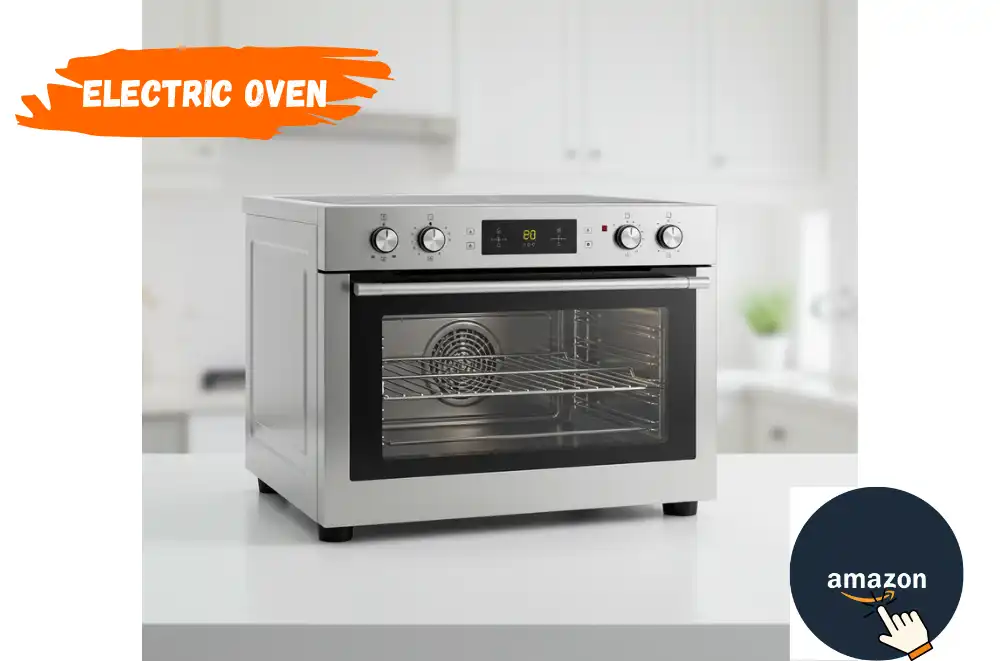
The design feels clean and modern. The glass doors give me a clear view of the food while it cooks, and the racks slide smoothly. It’s like having a little window to the baking world, which makes cooking more fun.
Performance
Performance is where the electric oven shines. Cakes rise evenly, bread gets that nice crust, and roasts turn out juicy. It feels like the oven does half the work for me. I used to worry about burning food, but now I cook with confidence.
Build Quality
The build quality feels solid. Doors close firmly, knobs don’t feel loose, and the inside doesn’t stain easily. Even after daily use, it holds up well. That gives me peace of mind that I can rely on it for years.
Details Comparison : Gas vs Electric Oven
I’ve been testing out both gas and electric ovens in real kitchens. Each has its own charm, but also a few limits. Let’s compare them side by side so you can see what works best for your cooking style.
Body Material: Gas vs Electric Oven
Most gas and electric ovens use stainless steel for durability. Gas models often feel heavier, while electric ones may look sleeker.
| Feature | Gas Oven | Electric Oven |
|---|---|---|
| Build | Strong steel body, sturdy | Sleek finish, modern style |
| Durability | Long lasting | Long lasting but lighter |
Rating: Gas 8/10, Electric 8.5/10
Drawer Type: Gas vs Electric Oven
The storage drawer can be handy. Gas ovens often use it for broiling, while electric ovens keep it for storage.
| Feature | Gas Oven | Electric Oven |
|---|---|---|
| Drawer use | Broiler drawer | Storage drawer |
| Convenience | Useful for crisping | Good for keeping pans |
Rating: Gas 7.5/10, Electric 8/10
Design & Features: Gas vs Electric Oven
Gas ovens look more classic, while electric ovens tend to add more smart features and touch controls.
| Feature | Gas Oven | Electric Oven |
|---|---|---|
| Design | Traditional knobs | Sleek panels, glass touch |
| Features | Simple, no fuss | More smart options |
Rating: Gas 7.5/10, Electric 9/10
Heat Distribution & Stability: Gas vs Electric Oven
Gas flames can create hot spots, while electric ovens give more even heat.
| Feature | Gas Oven | Electric Oven |
|---|---|---|
| Heat spread | Uneven at times | Even and steady |
| Stability | Needs checking | Reliable for baking |
Rating: Gas 7/10, Electric 9/10
Temperature Control & Accuracy: Gas vs Electric Oven
Gas reacts fast to changes, but it’s harder to hold an exact temperature. Electric ovens excel in precision.
| Feature | Gas Oven | Electric Oven |
|---|---|---|
| Control | Quick flame adjust | Digital precision |
| Accuracy | Can swing up and down | Very steady |
Rating: Gas 7/10, Electric 9/10
Moisture Levels: Gas vs Electric Oven
Gas ovens hold more moisture, making meat juicy. Electric ovens are drier, which is better for crispy baking.
| Feature | Gas Oven | Electric Oven |
|---|---|---|
| Moisture | High, keeps food moist | Low, makes food crisp |
| Best use | Roasts, meats | Breads, cookies |
Rating: Gas 9/10, Electric 8/10
Heating Performance: Gas vs Electric Oven
Gas heats quickly, while electricity takes longer to warm up but stays even.
| Feature | Gas Oven | Electric Oven |
|---|---|---|
| Preheat | Fast | Slower |
| Heat type | Direct flame | Coil or element |
Rating: Gas 8.5/10, Electric 8/10
Cooking Performance: Gas vs Electric Oven
Cooking style matters here. Gas gives strong searing, electricity ensures even baking.
| Feature | Gas Oven | Electric Oven |
|---|---|---|
| Best for | Roasting, grilling | Baking, desserts |
| Results | Moist but uneven | Crisp, even finish |
Rating: Gas 8/10, Electric 9/10
Controls Type and Functions: Gas vs Electric Oven
Gas ovens use knobs, while electric ovens often use digital displays and timers.
| Feature | Gas Oven | Electric Oven |
|---|---|---|
| Controls | Manual knobs | Touch + digital |
| Extra | Few add-ons | Timer, presets |
Rating: Gas 7.5/10, Electric 9/10
Energy Efficiency: Gas vs Electric Oven
Gas ovens cost less to run if you already have a gas line. Electric ovens can use more power but may run greener if paired with solar.
| Feature | Gas Oven | Electric Oven |
|---|---|---|
| Running cost | Lower (gas cheaper) | Higher on bills |
| Eco impact | Fossil fuel | Can be renewable |
Rating: Gas 8.5/10, Electric 7.5/10
Voltage: Gas vs Electric Oven
Gas ovens need little electricity, while electric ovens depend fully on power supply.
| Feature | Gas Oven | Electric Oven |
|---|---|---|
| Needs | Gas + 120V | 220V power |
| Dependence | Less on grid | Fully electric |
Rating: Gas 8.5/10, Electric 7.5/10
Size and Capacity: Gas vs Electric Oven
Both come in many sizes. Gas tends to offer larger cooking space for roasts, while electric ovens are often sleek and compact.
| Feature | Gas Oven | Electric Oven |
|---|---|---|
| Space | Larger cavity | Often smaller |
| Fit | Suits big kitchens | Suits small spaces |
Rating: Gas 8.5/10, Electric 8/10
Ease of Use: Gas vs Electric Oven
Gas is simple and fast but needs care with flame control. Electric is user-friendly with timers and presets.
| Feature | Gas Oven | Electric Oven |
|---|---|---|
| Learning curve | Needs practice | Easy to use |
| Features | Basic | Smart presets |
Rating: Gas 7.5/10, Electric 9/10
Warranty: Gas vs Electric Oven
Warranties depend on brand, but electric ovens often get better coverage on electronics.
| Feature | Gas Oven | Electric Oven |
|---|---|---|
| Typical coverage | 1–2 years | 2–3 years |
| Parts covered | Basic | Electronics + body |
Rating: Gas 7.5/10, Electric 8.5/10
Price: Gas vs Electric Oven
Gas ovens often cost more upfront, but save on bills. Electric ovens are cheaper to buy but may cost more long term.
| Feature | Gas Oven | Electric Oven |
|---|---|---|
| Upfront cost | Higher | Lower |
| Running cost | Cheaper | Higher |
Rating: Gas 8.5/10, Electric 8/10
Check Latest Price and Offer at Amazon
FAQ : Gas vs Electric Oven
1. Which is better: a gas oven or an electric oven?
Gas ovens heat fast and keep food moist, while electric ovens bake evenly with precise control. Learn more about gas vs electric ovens here.
2. Are gas ovens more energy efficient than electric ovens?
Yes, gas ovens cost less to run if you have a gas line. Electric ovens may use more power but can be eco-friendly with solar. Learn more about costs.
3. Do electric ovens cook food more evenly than gas ovens?
Yes, electric ovens spread heat evenly for stress-free baking. Gas ovens can create hot spots but shine for roasting. Learn more about cooking results.
4. Is a gas oven safer than an electric oven?
Both are safe when used right. Gas ovens need good ventilation, while electric ovens depend fully on power. Learn more about safety differences.
5. Which oven lasts longer: gas or electric?
Both ovens are durable. Gas ovens feel sturdier, while electric ovens often get better warranty coverage. Learn more about long-term reliability.