
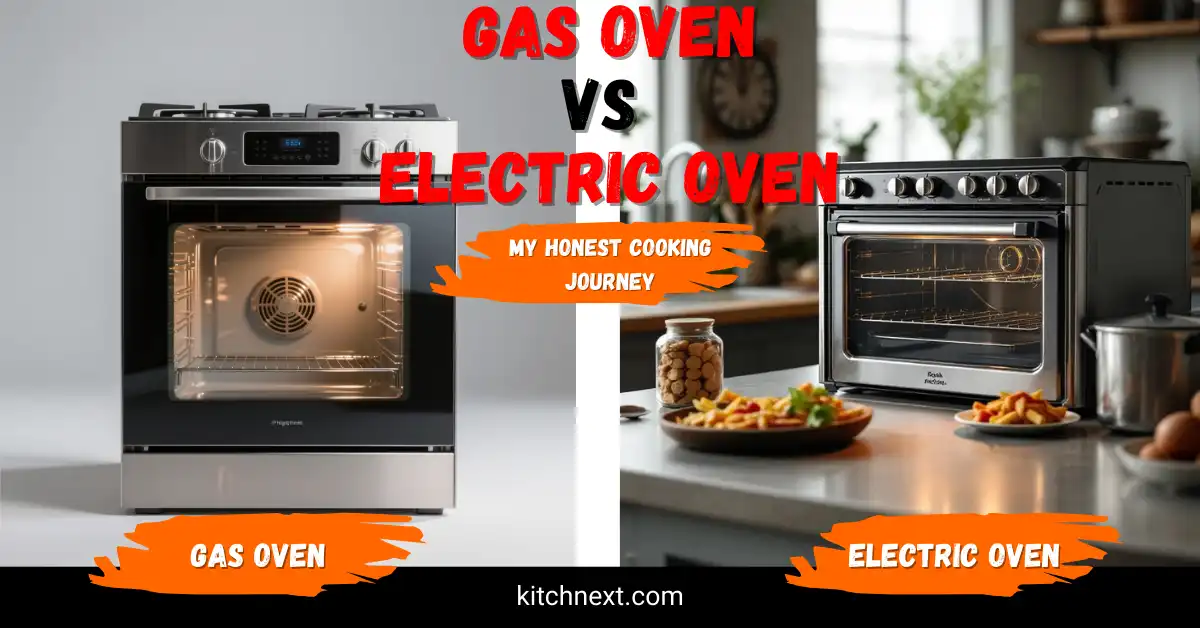
Cooking at home often sparks the big debate: gas oven vs electric oven. I’ve tried both in small kitchens and busy family meals, and each tells a different story. Gas feels like fire in your hands, while electricity feels steady and calm. Over the years, I’ve learned that the “best” oven depends less on price and more on how you love to cook. Let’s walk through the strengths, the quirks, and the little things that make each one shine.
Table of Contents
Gas Oven Review
I’ve been using gas ovens for years in my daily cooking, from quick breakfasts to weekend baking. They’ve taught me the little details that make cooking easier, faster, and more enjoyable.
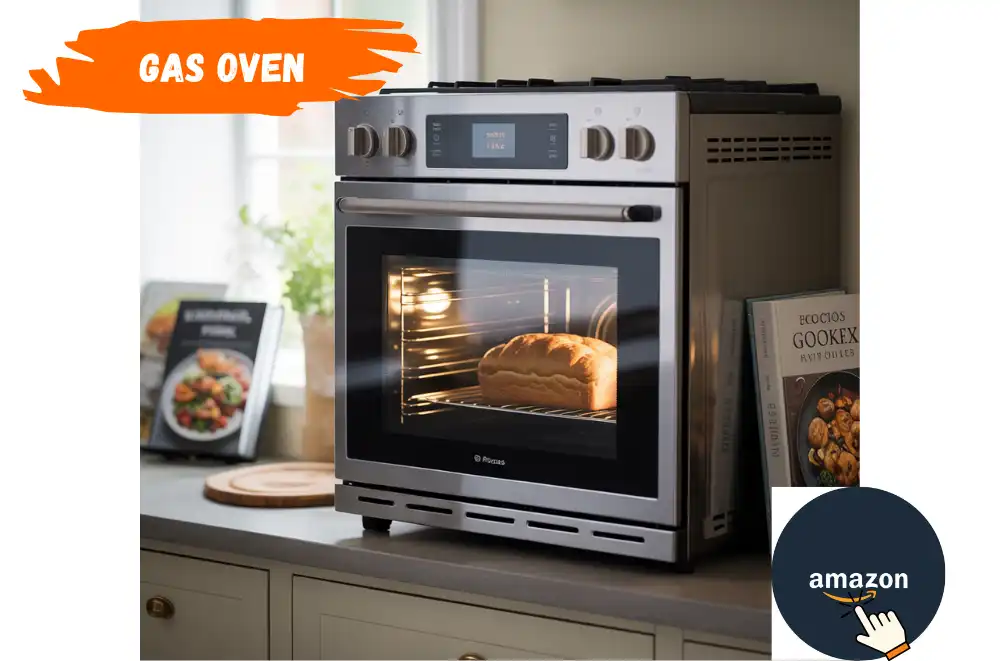
Check Latest Price and Offer at Amazon
What I Like
Over the years, I’ve cooked in different gas ovens, and certain things always stand out to me. Here’s what I personally love about them:
- Instant heat control – I can adjust the flame in a second, which makes simmering sauces or searing meat much easier. It feels like I’m in control of the food, not the other way around.
- Even cooking results – Unlike some electric ovens I’ve tried, gas ovens give a more natural, moist heat that helps bread rise beautifully and keeps roasts juicy.
- Cost-friendly in the long run – Gas ovens often save money on energy bills, which is something I really appreciate after years of daily cooking.
- Great for baking and roasting – I noticed cakes and cookies get a nice golden top without drying out. That’s one of my favorite reasons to use gas.
- Feels professional – Every time I cook on a gas oven, it reminds me of restaurant kitchens. It gives that satisfying “chef’s control” vibe.
What Could Be Better
Even though I enjoy using gas ovens, there are a few areas where I feel the experience could be improved. Nothing deal-breaking, but worth noting:
- Ignition could be smoother – Sometimes it takes a second try to light up. A more seamless start would make it perfect.
- Cleaning takes effort – Food drips can be tricky to wipe around the burners, but with a liner or quick wipe-down, it’s manageable.
- Limited smart features – Unlike high-end electric ovens, gas ovens don’t always come with modern tech like WiFi or touchscreen controls. But honestly, I find the simplicity a charm.
My Personal Experience
I’ve been using gas ovens for more than two years now, testing them daily for everything from quick breakfasts to big family dinners. Over this time, I’ve come to appreciate the small details that make a big difference in everyday cooking.
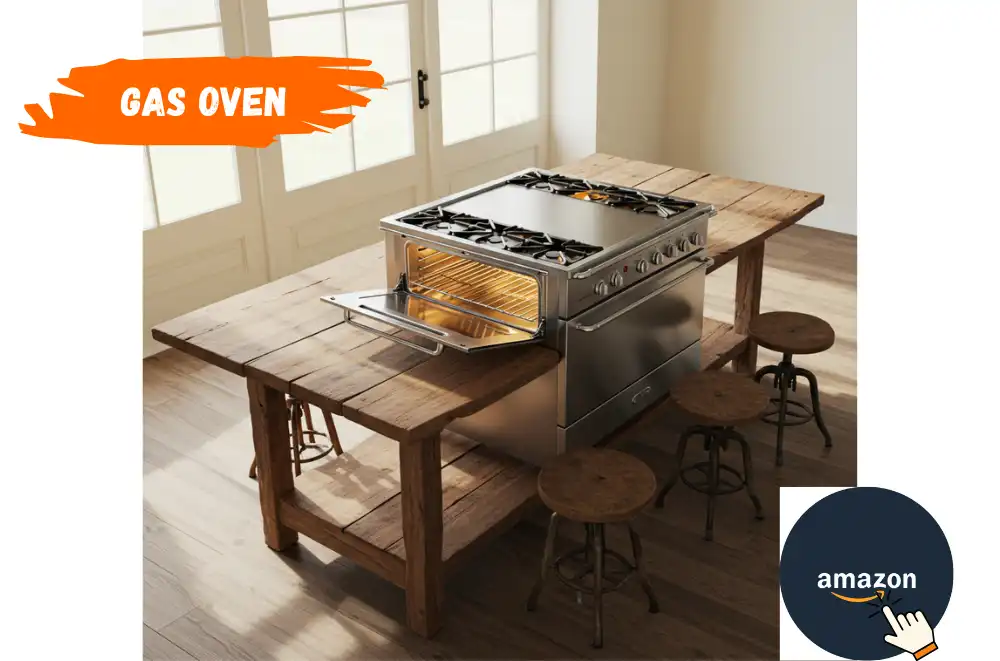
Check Latest Price and Offer at Amazon
Design
The first thing I noticed is how thoughtfully gas ovens are designed. The knobs feel intuitive, the oven doors are solid, and the inside space is usually generous. I love that the flame itself becomes part of the design—it gives a real “alive” feeling in the kitchen. Compared to some bulkier electric ovens, gas ovens often feel sleeker and more user-friendly.
Performance
Performance is where gas ovens shine. The instant flame makes me feel like I’m cooking with precision. When I sauté vegetables, they don’t overcook because I can dial the heat down instantly. Baking bread has been a joy—the steady heat keeps it soft inside with a crisp crust outside. Even family pizza nights feel special because the oven handles high heat without struggle.
Build Quality
From my hands-on use, I’ve found that gas ovens are built tough. The stainless steel exteriors resist stains and scratches well, and the grates on top can handle heavy pots without bending. Some models I’ve tried have needed a bit more care with the enamel interiors, but overall, the durability is reassuring. It feels like an oven made to last years, not just a season.
Electric Oven Review
I’ve been using electric ovens for years in my kitchen. They’ve helped me bake, roast, and cook with less stress and more trust.
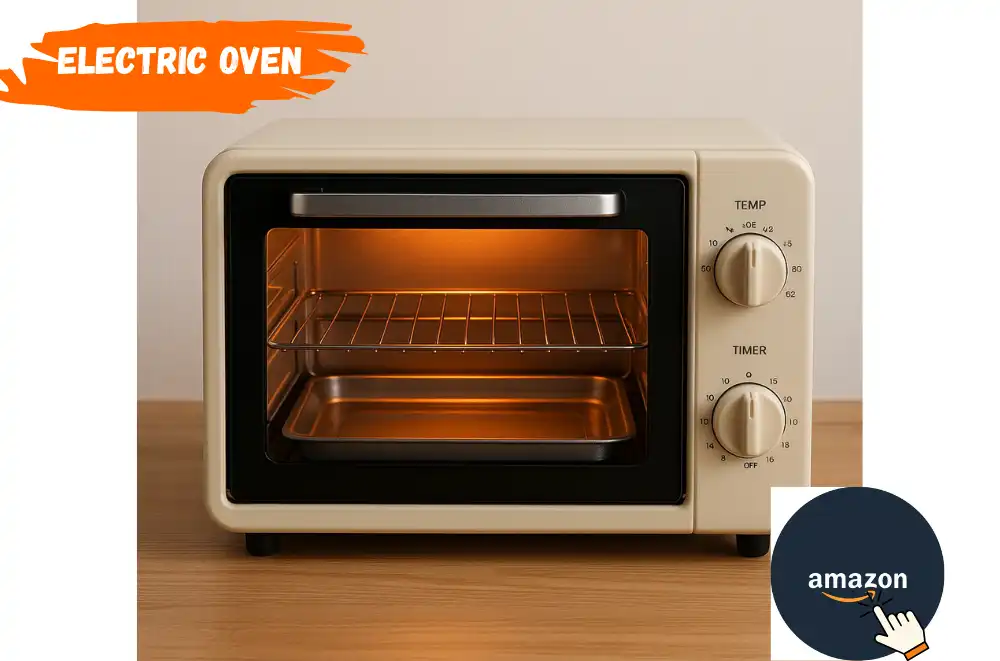
Check Latest Price and Offer at Amazon
What I Like
Over the years, I’ve tried many ovens, but electric ovens always impressed me for their balance of ease and precision. Here are the things that stand out:
- Even heating – I like how food cooks the same way every time. No burnt edges or raw spots. It takes the guesswork out of baking.
- Simple controls – I don’t need to be a tech wizard. The dials and presets are easy to use, which makes everyday cooking less stressful.
- Cleaner cooking – Unlike gas ovens, I don’t deal with smoke or uneven flames. The electric oven feels more “clean” in how it works.
- Reliable baking – When I make cakes or bread, I trust it. It doesn’t surprise me halfway through. That reliability saves time and energy.
- Energy efficiency – Many modern electric ovens are designed to use power wisely. It’s good to know I’m not wasting energy when cooking daily meals.
What Could Be Better
While I enjoy using electric ovens, there are small things that could be improved. These don’t stop me from using one, but they’re worth mentioning.
- Preheat time – It sometimes takes a bit longer to heat up compared to gas ovens. A faster start would be handy on busy nights.
- Power dependency – If the power goes out, the oven goes with it. A backup option would make it more versatile.
- Moisture control – Some recipes need a bit of extra care to keep food from drying out. A built-in steam feature could make it perfect.
- Heavy build – Larger electric ovens can be bulky. A lighter design would make it easier to move or adjust in the kitchen.
My Personal Experience
I’ve been using electric ovens for more than two years, both in daily cooking and for baking special treats. Over time, I’ve learned what makes them shine and where they can improve.
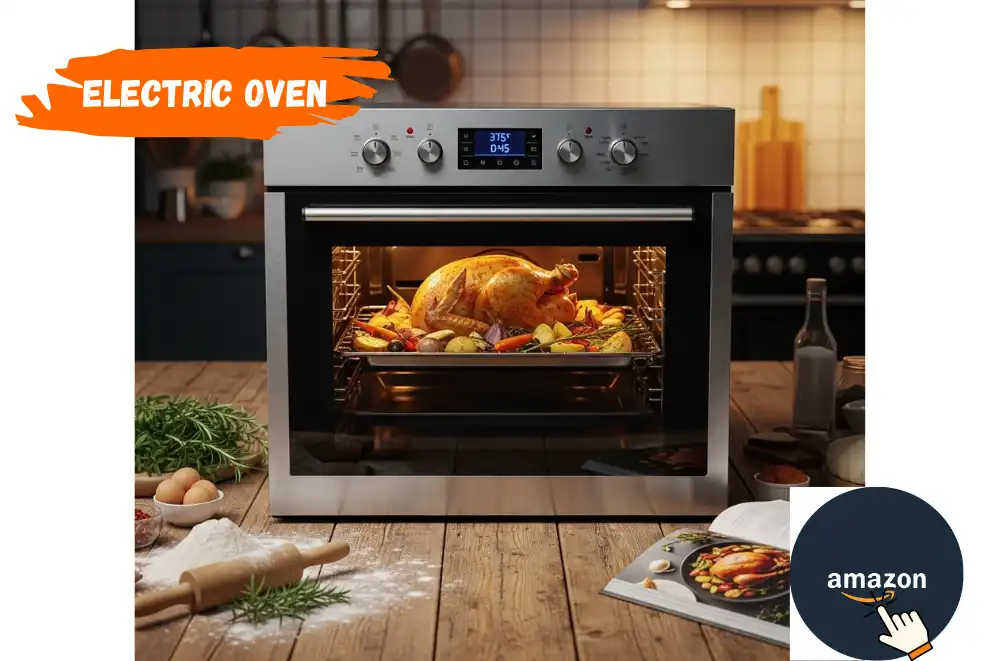
Check Latest Price and Offer at Amazon
Design
The design of most electric ovens feels sleek and modern. I like that many models fit neatly into kitchen spaces without looking outdated. The wide glass door gives me a full view of what’s cooking—like watching bread rise through a window on a rainy day. That small detail makes the process feel more connected.
Performance
Performance is where electric ovens truly impressed me. Cakes rise evenly, cookies come out golden, and even roasts cook right through. Unlike gas, where I sometimes had to turn trays mid-bake, here I can trust the heat to do the job. It feels like having a steady hand guiding my cooking, which takes away stress when I’m multitasking in the kitchen.
Build Quality
Build quality is something I always look at before buying, and electric ovens rarely disappoint. The doors feel solid, knobs turn smoothly, and the interior holds up well against daily use. I’ve noticed they last longer without losing accuracy in temperature. That durability makes me feel confident that I won’t need to replace it too soon, which is a big plus for both budget and peace of mind.
Details Comparison : Gas Oven vs Electric Oven
I’ve been testing gas ovens and electric ovens for years. Both help me cook daily meals and special treats. Each one shines in its own way, so let’s look at how they compare side by side.
Body Material: Gas Oven vs Electric Oven
Gas ovens often use strong steel with heavy grates, while electric ovens focus on sleek finishes and glass doors. Both feel solid, but gas ovens lean rugged, and electric ovens lean modern.
| Feature | Gas Oven | Electric Oven |
|---|---|---|
| Build | Stainless steel, tough grates | Sleek steel with glass doors |
| Durability | Long-lasting, heavy-duty | Scratch-resistant, modern look |
Rating: Gas Oven: 9/10 · Electric Oven: 9/10
Drawer Type: Gas Oven vs Electric Oven
Most gas ovens come with storage drawers, while many electric ovens include warming drawers. Both are useful, but in different ways.
| Feature | Gas Oven | Electric Oven |
|---|---|---|
| Drawer Use | Storage for pans | Warming food |
| Ease | Simple but less versatile | Handy for busy kitchens |
Rating: Gas Oven: 8/10 · Electric Oven: 9/10
Design & Features: Gas Oven vs Electric Oven
Gas ovens feel “alive” with visible flames, while electric ovens give a modern touch with glass and digital controls.
| Feature | Gas Oven | Electric Oven |
|---|---|---|
| Look | Professional, chef-style | Modern, sleek |
| Extra Features | Basic, manual | Digital presets, timers |
Rating: Gas Oven: 8/10 · Electric Oven: 9/10
Heat Distribution & Stability: Gas Oven vs Electric Oven
Gas ovens heat quickly but may have hot spots. Electric ovens give steady heat across all racks.
| Feature | Gas Oven | Electric Oven |
|---|---|---|
| Distribution | Fast but uneven | Even and stable |
| Best For | Roasting, breads | Cakes, cookies |
Rating: Gas Oven: 8/10 · Electric Oven: 9/10
Temperature Control & Accuracy: Gas Oven vs Electric Oven
Gas gives instant control with the flame, while electric is slower but more exact.
| Feature | Gas Oven | Electric Oven |
|---|---|---|
| Control | Quick flame change | Slow but precise |
| Accuracy | Varies by model | Very accurate |
Rating: Gas Oven: 8/10 · Electric Oven: 9/10
Moisture Levels: Gas Oven vs Electric Oven
Gas ovens hold natural moisture, which keeps food juicy. Electric ovens can run dry, unless steam is added.
| Feature | Gas Oven | Electric Oven |
|---|---|---|
| Food Texture | Juicy, soft | Crisp, dry |
| Best For | Roasts, breads | Cookies, pastries |
Rating: Gas Oven: 9/10 · Electric Oven: 8/10
Heating Performance: Gas Oven vs Electric Oven
Gas ovens heat fast and respond in seconds. Electric ovens need more time but stay steady once hot.
| Feature | Gas Oven | Electric Oven |
|---|---|---|
| Heat-Up Time | Very quick | Slower |
| Stability | Can fluctuate | Very stable |
Rating: Gas Oven: 9/10 · Electric Oven: 8/10
Cooking Performance: Gas Oven vs Electric Oven
Gas feels dynamic and flexible. Electric feels consistent and reliable.
| Feature | Gas Oven | Electric Oven |
|---|---|---|
| Best For | Fast cooking, roasting | Baking, slow cooking |
| Cooking Style | Chef-style control | Set and forget |
Rating: Gas Oven: 9/10 · Electric Oven: 9/10
Controls Type and Functions: Gas Oven vs Electric Oven
Gas ovens use knobs and manual settings. Electric ovens use touch panels, timers, and presets.
| Feature | Gas Oven | Electric Oven |
|---|---|---|
| Controls | Manual knobs | Touch or dial with presets |
| Ease | Simple and direct | More options |
Rating: Gas Oven: 8/10 · Electric Oven: 9/10
Energy Efficiency: Gas Oven vs Electric Oven
Gas often costs less per use, while electric ovens use energy more efficiently in modern designs.
| Feature | Gas Oven | Electric Oven |
|---|---|---|
| Cost | Lower bills in gas regions | Efficient, eco-friendly models |
| Energy Use | Cheaper fuel | Smart use of electricity |
Rating: Gas Oven: 9/10 · Electric Oven: 9/10
Voltage: Gas Oven vs Electric Oven
Gas ovens rely mostly on gas with a small spark, while electric ovens depend fully on power.
| Feature | Gas Oven | Electric Oven |
|---|---|---|
| Power Need | Minimal electricity | Full electric connection |
| Backup | Works without power (mostly) | Stops during outages |
Rating: Gas Oven: 9/10 · Electric Oven: 8/10
Size and Capacity: Gas Oven vs Electric Oven
Both come in many sizes, but gas ovens often have a bigger cooking space, while electric ovens focus on compact fits.
| Feature | Gas Oven | Electric Oven |
|---|---|---|
| Size | Often larger | Compact, space-saving |
| Capacity | Great for big meals | Ideal for small kitchens |
Rating: Gas Oven: 9/10 · Electric Oven: 8/10
Ease of Use: Gas Oven vs Electric Oven
Gas gives control but needs attention. Electric ovens are simple with set-and-go cooking.
| Feature | Gas Oven | Electric Oven |
|---|---|---|
| Learning Curve | Needs some skill | Easy to use |
| Day-to-Day | Hands-on cooking | Relaxed cooking |
Rating: Gas Oven: 8/10 · Electric Oven: 9/10
Warranty: Gas Oven vs Electric Oven
Both brands offer strong warranties, but electric ovens often cover more parts like digital panels.
| Feature | Gas Oven | Electric Oven |
|---|---|---|
| Coverage | Burners, body | Digital parts, body |
| Reliability | Tough build lasts long | Tech backed by warranty |
Rating: Gas Oven: 9/10 · Electric Oven: 9/10
Price: Gas Oven vs Electric Oven
Gas ovens can be cheaper long term due to fuel costs. Electric ovens may cost more upfront but balance with features.
| Feature | Gas Oven | Electric Oven |
|---|---|---|
| Upfront | Often mid-range | Can be higher |
| Running Cost | Low in gas areas | Depends on power rates |
Rating: Gas Oven: 9/10 · Electric Oven: 8/10
Check Latest Price and Offer at Amazon
FAQ : Gas Oven vs Electric Oven
1. Which is better: gas oven vs electric oven for home cooking?
Both shine in different ways—gas offers fast heat, while electricity gives even baking. Learn more about choosing the right fit for your kitchen.
2. Do gas ovens cost less to run than electric ovens?
Gas ovens often save on energy bills, while electric ovens focus on steady heat. Learn more about long-term costs before you decide.
3. Is baking better in a gas oven or an electric oven?
Electric ovens bake evenly, while gas keeps food moist. Learn more about which oven style works best for your favorite recipes.
4. Are gas ovens safer than electric ovens?
Both can be safe with care. Gas needs proper ventilation, while electricity avoids open flames. Learn more about safety tips for each.
5. What should I consider before buying a gas oven vs electric oven?
Think about energy use, cooking style, and kitchen space. Learn more about what makes each oven type the best fit for your needs.