
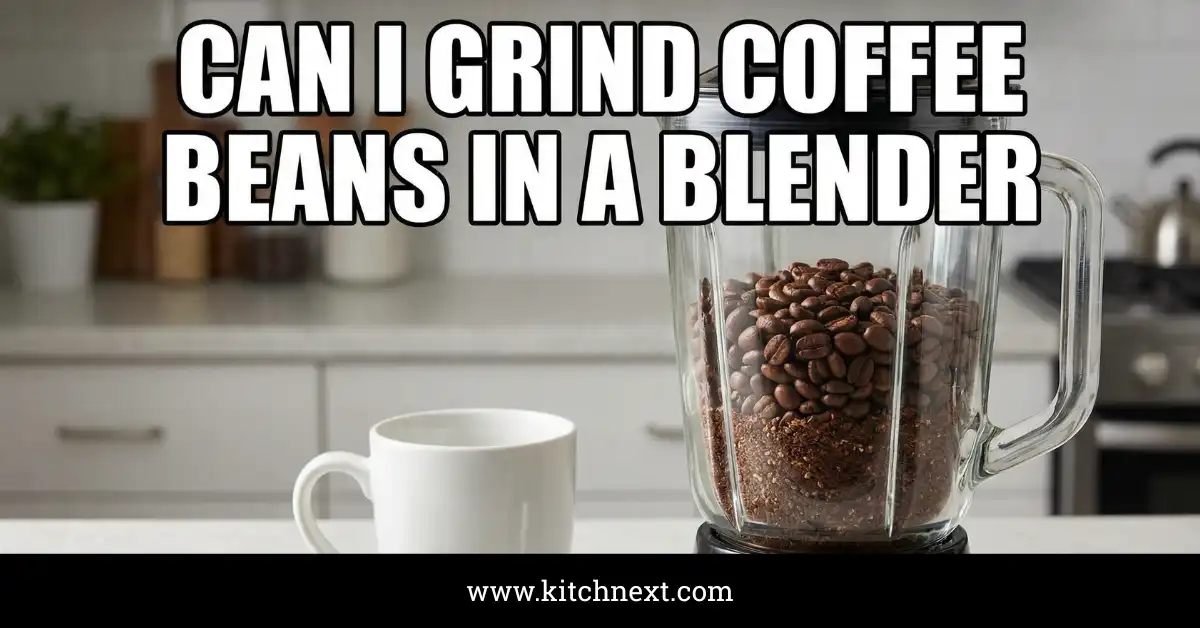
Have you ever found yourself craving fresh coffee but realized you don’t have a grinder? Maybe you wonder, “Can I grind coffee beans in a blender?” It’s a question many coffee lovers ask when they want that perfect cup but lack the right tools.
The good news is, you might already have what you need in your kitchen. But before you toss those beans into your blender, there are important things you should know to get the best flavor and avoid damaging your appliance.
Keep reading to discover how to turn your blender into a coffee grinder and make every cup count.
Table of Contents
Choosing The Right Blender
Choosing the right blender is key to grinding coffee beans effectively. Not all blenders can handle hard coffee beans well. Some blenders crush beans unevenly or overheat them. This affects the taste of your coffee.
Focus on the blender’s power and blade design. These features impact how fine and even the grind will be. Also, consider the blender’s speed settings and jar size. These help control the grinding process better.
Power And Motor Strength
Choose a blender with a motor of at least 500 watts. Strong motors crush beans quickly and evenly. Weak motors may struggle and produce inconsistent grounds.
Blade Design And Material
Blades made of stainless steel are best. They stay sharp longer and resist rust. Look for blades shaped to create a vortex. This pulls beans down for uniform grinding.
Speed Settings And Control
Multiple speed options allow better control over grind size. Use lower speeds for coarse grounds and higher for fine. Pulse mode helps avoid overheating the beans.
Jar Size And Material
Smaller jars work better for grinding small coffee batches. Glass jars are easy to clean and don’t retain odors. Plastic jars may stain or hold smells over time.
Types Of Coffee Beans To Use
Choosing the right coffee beans affects the flavor of your brew. Different beans have distinct tastes and textures. Knowing which beans work best helps you get the best results when grinding in a blender.
Some beans are softer, making them easier to grind. Others are harder and may not grind well in a blender. The type of bean also influences how the coffee tastes after brewing.
Arabica Beans
Arabica beans are the most popular choice worldwide. They have a smooth, mild flavor with hints of sweetness. Arabica beans are softer than other types, which makes them easier to grind in a blender. They work well for most brewing methods.
Robusta Beans
Robusta beans have a stronger, more bitter taste. They contain more caffeine than Arabica beans. Robusta beans are harder and denser, which can make grinding in a blender more difficult. Use short pulses to avoid overheating the beans.
Single-origin Beans
Single-origin beans come from one specific region or farm. These beans offer unique flavors based on their location. They vary in hardness, so test small amounts before grinding a large batch in your blender. This helps you find the best grind size.
Blended Beans
Blended beans combine different types for balanced flavor. They often mix Arabica and Robusta beans. Grinding blended beans in a blender works well if the beans are medium roasted. The blend smooths out the taste and creates a consistent grind.
Preparing Beans For Grinding
Preparing coffee beans for grinding is a key step to get fresh coffee taste. Proper preparation helps the blender work better and gives a more even grind. Clean, dry, and measured beans make a big difference in the final result.
Taking time to prepare the beans can improve the flavor of your coffee. Here is how to prepare coffee beans before putting them in a blender.
Choose Fresh Coffee Beans
Start with fresh coffee beans. Fresh beans have more flavor and aroma. Avoid old or stale beans because they taste flat. Buy whole beans from a trusted source for the best quality.
Measure The Right Amount
Measure the amount of beans before grinding. Too many beans can overload the blender. This leads to uneven grinding. A small batch works best for a smooth grind.
Remove Any Debris
Check the beans for stones, twigs, or dirt. Foreign objects can damage the blender blades. Clean beans ensure a smooth grinding process. Use a small sieve if needed to remove debris.
Dry The Beans Well
Make sure beans are dry before grinding. Moisture can cause beans to stick and clump. This makes it hard for the blender to grind evenly. Store beans in a dry place to keep them fresh.
Grinding Techniques With A Blender
Grinding coffee beans with a blender is a handy option at home. Many wonder how to get the best results using this common kitchen tool. Different techniques can affect the grind size and taste of your coffee.
Understanding these techniques helps you control the texture of your coffee grounds. A good grind improves the flavor and aroma of your brew. Let’s explore simple ways to grind coffee beans using a blender.
Choosing The Right Blender Setting
Most blenders have multiple speed settings. Use the pulse option for better control. Short bursts prevent overheating the beans. Overheating can change the flavor and smell. Start with low speed and increase if needed.
Measuring Coffee Beans Correctly
Use small amounts of beans each time. Filling the blender too full causes uneven grinding. About a quarter cup is a good start. This helps the blades move freely and grind evenly.
Grinding Time And Consistency
Grind in short bursts of 5 to 10 seconds. Check the texture after each burst. Stop when the beans reach the desired size. Too long grinding can make the beans powdery. Aim for coarse or medium grind depending on your brew.
Cleaning The Blender After Use
Remove leftover coffee particles promptly. Coffee oils can build up and affect taste. Rinse the blender with warm water and mild soap. Dry thoroughly before the next use. Clean blades keep your coffee fresh and flavorful.

Achieving The Perfect Grind Size
Achieving the perfect grind size is key to making great coffee at home. The grind size affects the flavor and strength of your brew. Different brewing methods need different grind sizes. Using a blender to grind coffee beans can work, but it takes care and patience to get the right size.
Blenders do not grind as evenly as coffee grinders. You may find some beans are fine while others stay large. This uneven grind can change how the coffee tastes. Understanding how to control the grind size in a blender helps improve your coffee.
Understanding Grind Sizes For Brewing Methods
Each coffee maker needs a certain grind size. For espresso, the grind should be very fine. For drip coffee makers, a medium grind works best. French press needs a coarse grind. Knowing this helps you decide how long to blend the beans.
How To Control Grind Size In A Blender
Start by pulsing the blender in short bursts. Check the beans often to avoid over-grinding. Shake the blender lightly to move the beans around. This helps the blades reach all beans evenly. Stop when the grind looks close to your desired size.
Tips For More Even Grinding With A Blender
Use small amounts of beans at a time. This prevents the blender from overheating. Try using the lowest speed setting for better control. Let the beans settle between pulses. This reduces powder and clumps. Clean the blender after each use to avoid old flavors mixing.
Common Mistakes To Avoid
Grinding coffee beans in a blender may seem easy. Yet, many people make common mistakes that affect the taste and texture of the coffee. Avoiding these errors helps you get better results and enjoy fresh coffee every time. Here are the most common mistakes to watch out for.
Using The Wrong Blender Settings
Blenders have different speed options. Using the highest speed can cause uneven grinding. The beans might turn into powder or stay in big chunks. Use short pulses instead of running the blender continuously.
Overfilling The Blender
Putting too many beans in the blender can block the blades. This stops the grinding process and creates uneven pieces. Fill the blender only halfway for the best results.
Not Cleaning The Blender Properly
Old coffee grounds can mix with fresh beans and ruin the taste. Always clean the blender well after each use. Remove all leftover particles to keep the flavor pure.
Grinding For Too Long
Grinding beans for a long time heats them up. Heat changes the flavor and can cause bitterness. Stop grinding as soon as the beans reach the right size.

Cleaning And Maintaining Your Blender
Keeping your blender clean and well-maintained helps it last longer. It also keeps your coffee tasting fresh. Coffee oils and tiny grounds can build up inside the blender. These leftovers may cause bad smells or affect the flavor of your drinks.
Regular cleaning removes these residues and keeps the blender working smoothly. Maintenance ensures the blades stay sharp and the motor runs well. Clean and maintain your blender after every use to avoid problems.
Cleaning The Blender After Grinding Coffee Beans
Rinse the blender jar right after use. Add warm water and a drop of dish soap. Blend for 20 seconds to clean the blades and sides. Pour out the soapy water and rinse with clean water. Dry the jar with a soft cloth or let it air dry.
Removing Stubborn Coffee Oils And Smells
Fill the blender halfway with warm water. Add two tablespoons of white vinegar or lemon juice. Blend for 30 seconds to cut through oils and odors. Rinse well with water to remove all vinegar or lemon taste.
Maintaining Blender Blades And Motor
Check the blades for dullness or damage regularly. Avoid grinding hard items that can dull the blades. Wipe the base with a damp cloth, never submerge it in water. Keep the motor vents clear of dust to prevent overheating.
Comparing Blenders And Coffee Grinders
Blenders and coffee grinders both crush coffee beans. But they work in very different ways. Choosing the right tool affects the taste and texture of your coffee. Understanding their differences helps you make better coffee at home.
Blenders are made for mixing and chopping many foods. Coffee grinders are designed only for grinding coffee beans. This focus means grinders give better, even results.
Blade Design And Grinding Consistency
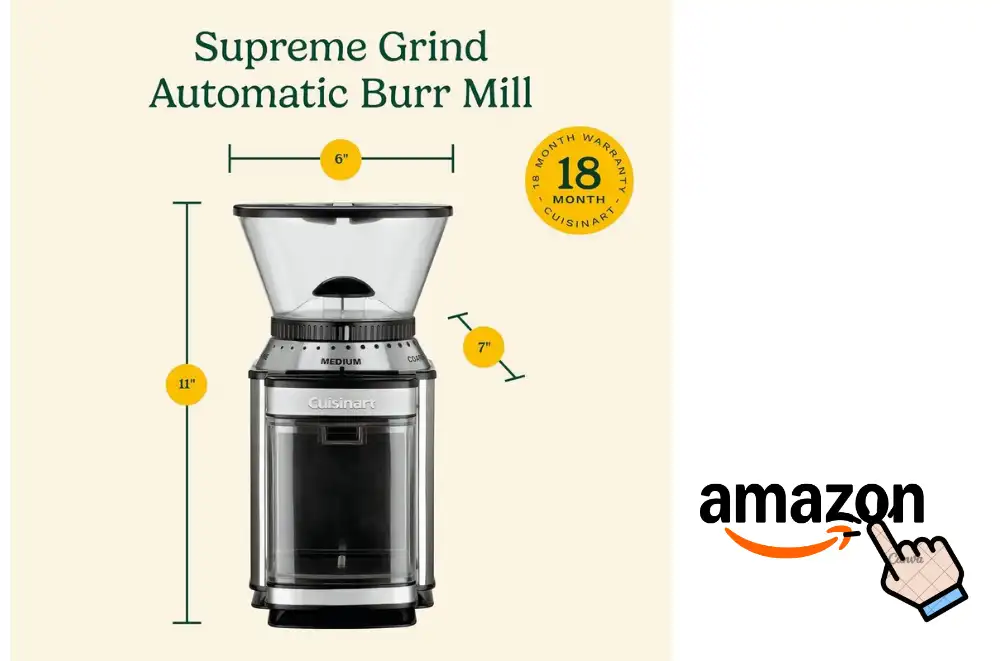
Blenders use sharp blades that spin very fast. They chop beans unevenly, creating a mix of fine powder and large chunks. Coffee grinders have burrs that crush beans evenly. This gives a uniform grind, which is key for good flavor.
Speed And Heat Generation
Blenders spin faster than grinders. The fast speed can heat the beans. Heat can burn the beans and change their taste. Coffee grinders work slower, keeping beans cooler and fresher.
Control Over Grind Size
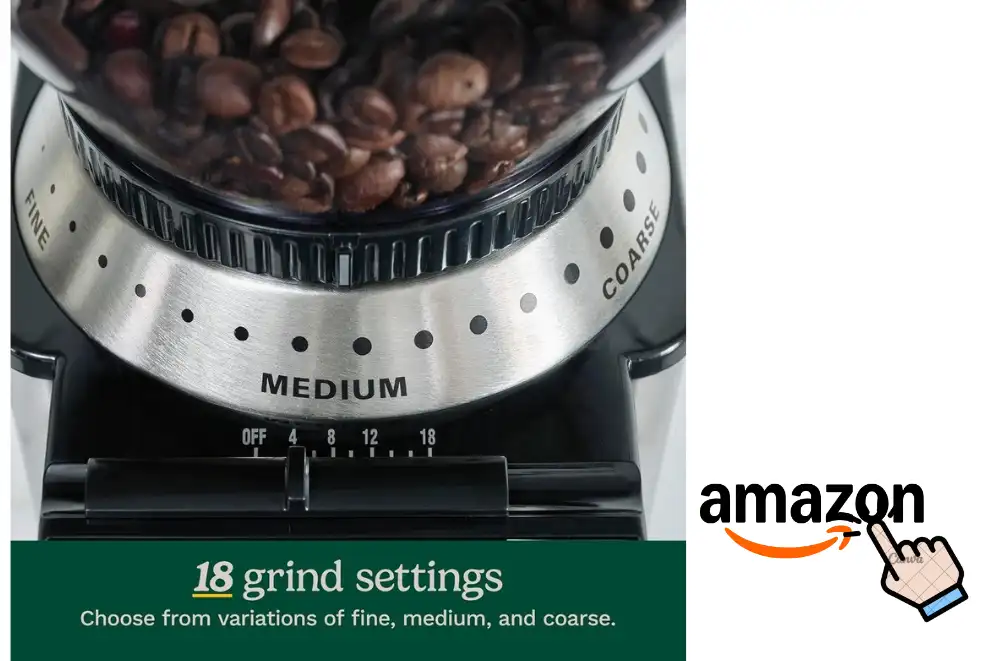
Blenders offer little control over grind size. You get a rough and inconsistent texture. Coffee grinders let you choose how fine or coarse the grind should be. This control helps you make different coffee styles.
Ease Of Use And Cleaning
Blenders are easy to use but hard to clean after grinding beans. Coffee grinders are built for quick cleaning and regular use. Their parts come apart easily for washing.
Tips For Brewing Fresh Coffee
Brewing fresh coffee starts with simple steps. Using fresh beans and clean equipment makes a big difference. Small changes can improve the taste and aroma of your coffee. Here are some easy tips to help you brew better coffee every time.
Choose The Right Coffee Beans
Fresh beans are the key to good coffee. Buy whole beans and grind them just before brewing. Beans lose flavor quickly after grinding. Store beans in an airtight container to keep them fresh longer.
Use Clean Equipment
Clean your coffee maker and grinder regularly. Old coffee oils and residue affect the taste. Rinse your equipment with hot water before brewing. Clean tools give you a pure coffee flavor.
Grind Beans Properly
Grind size affects the coffee taste. Use a coarse grind for French press and fine grind for espresso. A blender can grind beans but may not be consistent. Try short pulses to avoid overheating the beans.
Measure Coffee And Water
Use the right amount of coffee and water. A common ratio is two tablespoons of coffee per six ounces of water. Too much coffee can taste bitter. Too little coffee can taste weak.
Brew At The Right Temperature
Water temperature should be between 195°F and 205°F. Water that is too hot burns the coffee. Water that is too cold makes weak coffee. Let boiling water cool for 30 seconds before brewing.
FAQ: Can I Grind Coffee Beans in a Blender
Can I Use A Blender To Grind Coffee Beans?
Yes, a blender can grind coffee beans but not as finely as a coffee grinder. It works best for coarse to medium grounds. Pulse in short bursts to avoid overheating the beans.
Will Coffee Taste Different If Ground In A Blender?
Coffee ground in a blender may taste less uniform and slightly bitter. Uneven grind size affects extraction and flavor. For best taste, a burr grinder is recommended.
How To Prevent Overheating Coffee Beans In A Blender?
Pulse the blender in short bursts and pause frequently to cool the beans. Avoid running the blender continuously for more than 20 seconds. Overheating can affect coffee flavor.
Can A Blender Replace A Dedicated Coffee Grinder?
A blender can replace a grinder in a pinch but lacks precision. It’s less consistent and can damage beans or the blender blades. A coffee grinder is better for regular use.
What Grind Size Can I Achieve With A Blender?
A blender usually produces coarse to medium coffee grounds. Achieving fine espresso-like grounds is difficult. Use short pulses and check frequently for the desired size.
Conclusion
Grinding coffee beans in a blender works in a pinch. It may not give a perfect grind every time. Blenders can create uneven sizes of coffee grounds. This affects the taste and brewing process. For best results, pulse the blender gently.
Clean the blender well to avoid old coffee taste. Using a blender is okay for occasional use. For daily coffee lovers, a dedicated grinder is better. Choose the tool that fits your needs and budget. Enjoy fresh coffee made your way.
Simple and satisfying.