

Are you torn between choosing a Crock Pot or a Pressure Cooker for your kitchen? Both promise to make cooking easier, but which one really fits your lifestyle and needs?
Understanding the key differences can save you time, money, and frustration. You’ll discover how each appliance works, their benefits, and which one could become your new favorite cooking companion. Keep reading to make the best choice for your meals and your schedule.
Table of Contents
How Crock Pots Work
Crock pots cook food slowly over a long time. They use low heat to make meals tender and full of flavor. This slow cooking method is gentle on ingredients.
The pot inside the crock pot holds the food. It heats up slowly and evenly. This helps prevent burning or overcooking.
How Heat Is Applied In A Crock Pot
The heating element surrounds the pot or sits underneath it. It warms the pot evenly at a low temperature. This steady heat cooks food over several hours.
The Role Of The Lid In Slow Cooking
The lid keeps steam and moisture inside. This stops the food from drying out. It also helps cook food faster by trapping heat.
Temperature Settings And Cooking Times
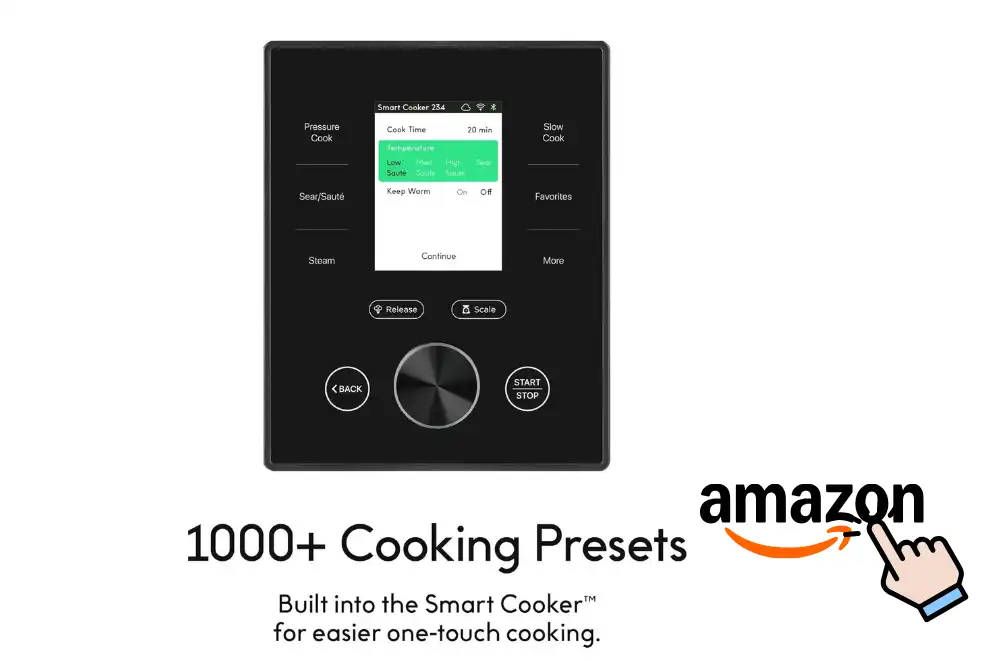
Crock pots usually have low, high, and warm settings. Low cooks food gently over 6 to 10 hours. High cooks faster, about 3 to 5 hours. Warm keeps food hot after cooking.
Benefits Of Slow Cooking With A Crock Pot
Slow cooking breaks down tough fibers in meat. It blends flavors deeply. Meals are ready when you return home. No need to watch the pot.
How Pressure Cookers Work
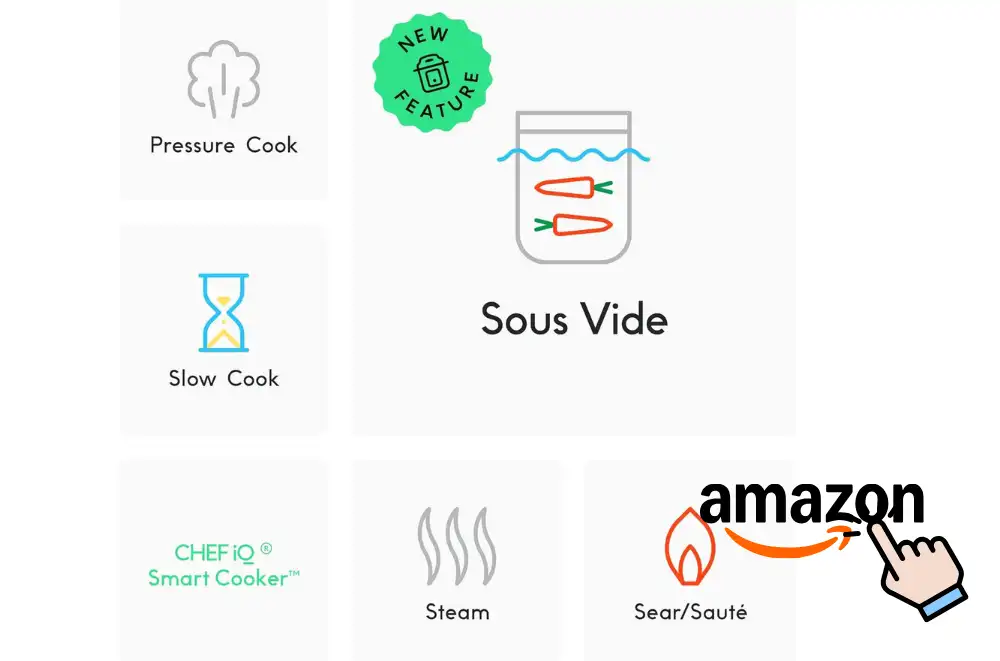
Pressure cookers use steam and pressure to cook food quickly. They work by trapping steam inside a sealed pot. This raises the pressure and temperature inside. The higher pressure cooks food faster than normal methods.
The process also helps keep food moist and tender. It saves energy and time in the kitchen. Understanding how pressure cookers work helps you use them better.
Sealed Environment
Pressure cookers have a tight lid that locks securely. This seal traps steam inside during cooking. The trapped steam creates high pressure. It prevents steam from escaping, increasing cooking speed.
Rising Pressure And Temperature
As the liquid inside heats, it turns to steam. The steam builds pressure inside the pot. This pressure raises the boiling point of water. Food cooks faster at higher temperatures and pressure.
Steam And Heat Transfer
Steam transfers heat to the food evenly. The heat penetrates food quickly under pressure. This speeds up cooking and softens tough ingredients. It reduces the time needed for meals.
Pressure Release Mechanism
Pressure cookers have valves to release steam safely. This controls the pressure inside the pot. It prevents the cooker from overheating or exploding. Users release pressure before opening the lid.
Cooking Time Comparison
Cooking time is a key factor when choosing between a crock pot and a pressure cooker. Each device works differently and affects how fast food is ready. Understanding this difference helps pick the right tool for your meal.
Crock Pot Cooking Time
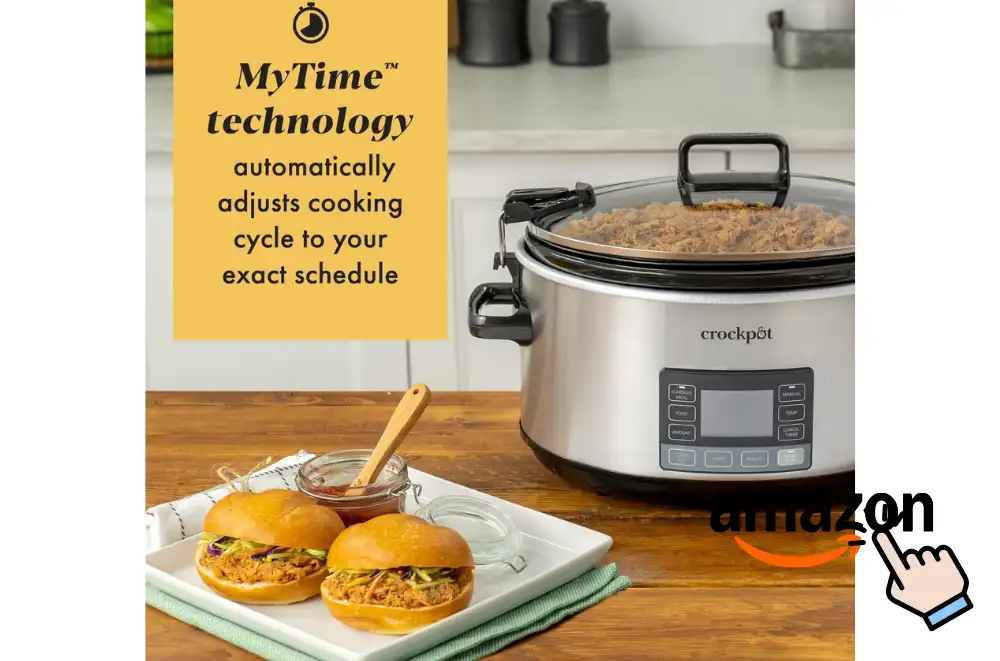
A crock pot cooks food slowly over many hours. It uses low, steady heat to soften ingredients. Most meals take between 4 to 10 hours in a crock pot. This slow pace lets flavors mix deeply and ingredients become tender. It is perfect for soups, stews, and tough cuts of meat.
Pressure Cooker Cooking Time
A pressure cooker uses high pressure to cook food quickly. It traps steam inside to raise the temperature. Most dishes finish within 15 to 45 minutes. This fast cooking saves time and energy. It works well for beans, rice, and tough meats.
Which One Saves More Time?
The pressure cooker is faster than the crock pot. It cuts cooking time by up to 80%. Meals that take hours in a crock pot cook in minutes in a pressure cooker. This makes it great for busy days or last-minute meals.
When Slow Cooking Makes Sense
Slow cooking lets flavors develop fully. It is best for dishes needing long, gentle heat. Use a crock pot to prepare meals while you work or sleep. The slow time can improve texture and taste.
Flavor And Texture Differences
Understanding the flavor and texture differences between a crock pot and a pressure cooker helps pick the right tool. Both cook meals but change taste and feel in unique ways.
Flavor Development In A Crock Pot
A crock pot cooks food slowly at low heat. This slow cooking lets flavors blend deeply. Spices and herbs have time to infuse the dish fully. The result is a rich, mellow taste. Some ingredients, like meat and vegetables, become sweeter and softer over hours.
Flavor Impact Of A Pressure Cooker
A pressure cooker uses high heat and pressure to cook fast. It seals in steam, locking flavors inside quickly. This method keeps food tasting fresh and strong. The fast cooking keeps bright and bold flavors. It does not allow flavors to mix as slowly as a crock pot.
Texture Changes In A Crock Pot
Slow cooking makes food very tender and soft. Meats easily fall apart after hours of cooking. Vegetables turn smooth and gentle. This softness suits stews and soups well. The texture becomes consistent and easy to eat.
Texture Effects Of A Pressure Cooker
Pressure cooking keeps food firmer and more structured. Meat stays juicy but may not fall apart as much. Vegetables hold their shape better and feel less mushy. This texture suits meals needing a bit of bite and firmness.
Energy Efficiency And Cost
Energy efficiency and cost are key factors in choosing kitchen appliances. Both crock pots and pressure cookers save time and effort. They use electricity differently, which affects your energy bill. Understanding their energy use helps pick the best option for your needs.
Energy Use Of Crock Pots
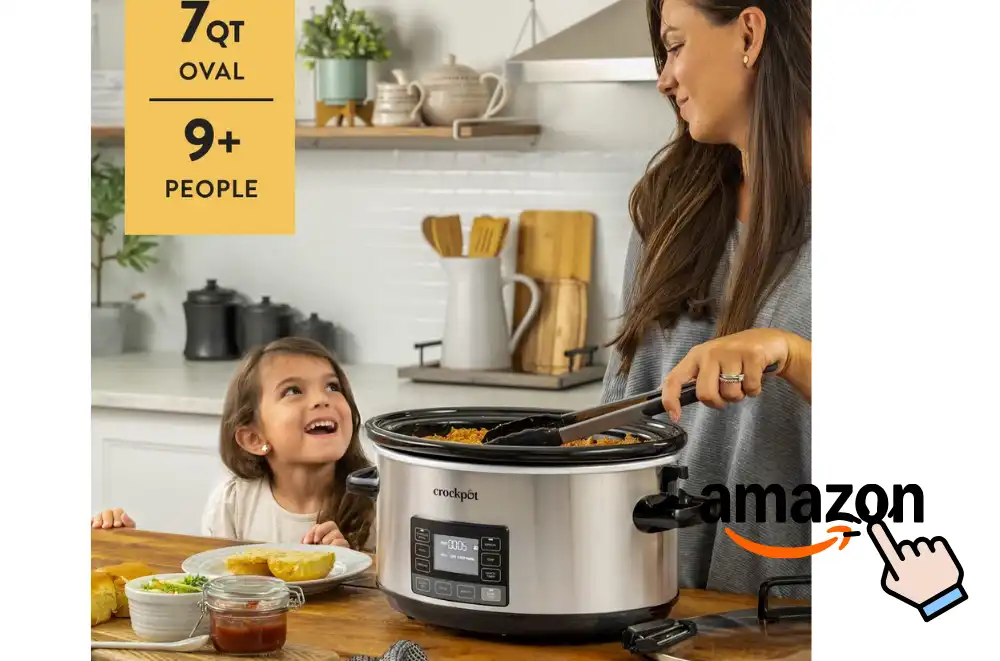
Crock pots cook food slowly at low heat. They use less power per hour than many appliances. Cooking can take 4 to 8 hours, using steady energy over time. This slow process means the appliance runs longer but at a lower wattage.
Energy Use Of Pressure Cookers
Pressure cookers cook food fast with high heat and pressure. They use more power per minute than crock pots. Cooking usually takes under an hour, saving time and energy overall. The short cooking time reduces total electricity use.
Cost Impact On Electricity Bills
Crock pots may use less power but run longer. This can increase energy use if used often. Pressure cookers use more power quickly but finish faster. This often leads to lower electricity costs for meals.
Long-term Savings And Appliance Cost
Crock pots are usually cheaper to buy. Pressure cookers can cost more upfront. Using a pressure cooker regularly can save money on energy bills. Choosing depends on cooking habits and budget.
Safety Features To Consider
Safety is very important when choosing kitchen appliances. Both crock pots and pressure cookers use heat and pressure to cook food. They have different safety features to keep you safe while cooking. Understanding these features helps you pick the right one for your home.
Safety Locks And Seals
Pressure cookers have strong safety locks. These locks keep the lid tightly closed during cooking. The seals prevent steam from escaping. This stops accidents from sudden steam release. Crock pots usually have simple lids without locks. They cook at low heat, so lids do not need locking.
Pressure Release Mechanisms
Pressure cookers include pressure release valves. These valves let out steam slowly and safely. This prevents the cooker from exploding. Some models have automatic release systems. Crock pots do not need pressure release features. They cook without building up pressure.
Overheat Protection
Both appliances often have overheat protection. This feature turns off the device if it gets too hot. It stops fires and damage to the cooker. Overheat protection is very useful for busy cooks. It adds a layer of safety during long cooking times.
Material And Build Quality
Good materials improve safety. Pressure cookers usually use heavy-duty stainless steel. This resists high pressure and heat. Crock pots often use ceramic or metal inserts. Strong build quality prevents cracks and leaks. Always check the quality before buying.
Versatility And Recipe Options
Choosing between a Crock Pot and a Pressure Cooker means thinking about what you want to cook. Both tools offer many ways to prepare meals. They can help make cooking easier and more fun. Understanding their versatility and recipe options helps pick the right one for your kitchen.
Versatility Of The Crock Pot
The Crock Pot cooks food slowly over hours. It is great for soups, stews, and casseroles. You can also make desserts like puddings and cakes. It works well for tenderizing tough meat cuts. You can set it and forget it until mealtime.
This slow method brings out deep flavors. It is perfect for busy days or meal prep. The Crock Pot is simple and safe to use. It suits recipes needing long cooking times at low heat.
Versatility Of The Pressure Cooker
The Pressure Cooker cooks food fast by using steam pressure. It is excellent for beans, rice, and grains. You can cook tough meats quickly and keep them juicy. It also makes soups and stews in less time.
This cooker can also be used for steaming vegetables. It saves energy and time in the kitchen. The Pressure Cooker is handy for last-minute meals. It handles a wide range of dishes with ease.
Recipe Options For Both Cookers
Both cookers offer diverse recipes for all meals. The Crock Pot shines with slow-cooked recipes like chili and pot roast. The Pressure Cooker excels at dishes needing fast, moist heat like risotto.
Each cooker can prepare breakfast, lunch, and dinner dishes. They both support healthy cooking by retaining nutrients well. Experimenting with recipes broadens meal choices and saves time.
Choosing Based On Lifestyle
Choosing the right kitchen tool depends on your daily habits and needs. Your lifestyle shapes how you cook and what works best. Both the Crock Pot and Pressure Cooker offer unique benefits. Understanding your routine helps pick the best option for you.
Think about how much time you have for cooking. Also, consider your meal preferences and the space in your kitchen. These factors guide your choice and improve your cooking experience.
Daily Time Availability
Crock Pots suit people with busy mornings and free evenings. You can start cooking before leaving for work. Meals cook slowly and stay warm until dinner. Pressure Cookers work best for quick meal prep. They cook food fast, saving time after work. Choose based on how much time you spend cooking daily.
Meal Planning And Variety
Crock Pots are great for soups, stews, and slow-cooked dishes. They enhance flavors over time. Pressure Cookers handle a wider range of foods, including grains and beans. They speed up tough cuts of meat. Think about the types of meals you enjoy most. Pick the appliance that fits your favorite recipes.
Kitchen Space And Convenience
Crock Pots are usually larger and take up more counter space. They need a flat surface and constant power. Pressure Cookers are compact and often multi-functional. They can replace several kitchen tools. Choose the one that fits your kitchen size and storage options.
FAQ: Crock Pot Vs Pressure Cooker
What Is The Main Difference Between A Crock Pot And Pressure Cooker?
A crock pot cooks food slowly at low heat. A pressure cooker cooks fast using steam pressure.
Which Appliance Saves More Cooking Time, Crock Pot Or Pressure Cooker?
Pressure cookers save more time by cooking meals quickly under high pressure.
Can You Cook The Same Recipes In Both Appliances?
Some recipes work in both, but cooking times and methods differ greatly.
Is A Crock Pot Better For Tenderizing Tough Meat?
Yes, crock pots slowly tenderize tough meat by cooking it over hours.
Are Pressure Cookers Safe To Use For Beginners?
Yes, modern pressure cookers have safety features making them safe and easy to use.
Conclusion
Both crock pots and pressure cookers have unique benefits. Crock pots cook food slowly and gently, perfect for tender meals. Pressure cookers save time with fast cooking under high pressure. Choosing depends on your daily schedule and meal needs. Slow cooking suits busy days with little kitchen time.
Fast cooking helps when you want dinner quickly. Each tool fits different cooking styles. Think about what matters most: time or texture. Either way, both make cooking easier and tastier. Try both to see which you prefer.