

Are you concerned about what’s really in your tap water? You might be wondering if your Brita water filter is doing enough to keep your water safe, especially when it comes to fluoride.
Fluoride is a common additive in many water supplies, but not everyone wants it in their drinking water. So, does a Brita filter remove fluoride? If you’ve been relying on Brita for cleaner water, this question is crucial for your health and peace of mind.
Keep reading to find out exactly what Brita filters can and can’t do for your water, so you can make the best choice for you and your family.
Table of Contents
Brita Filter Basics
Brita water filters are popular for improving tap water taste and quality. People use them to reduce chlorine, bad odors, and some metals. Understanding how Brita filters work helps to know their limits.
These filters use activated carbon and ion exchange resin. Activated carbon traps chemicals and impurities that affect water taste. Ion exchange resin reduces metals like lead and copper.
Water passes through a filter cartridge inside the Brita pitcher or dispenser. The activated carbon inside attracts and holds certain particles. The ion exchange resin swaps harmful metal ions with safer ones. This process cleans water but does not remove all contaminants.
What Brita Filters Remove
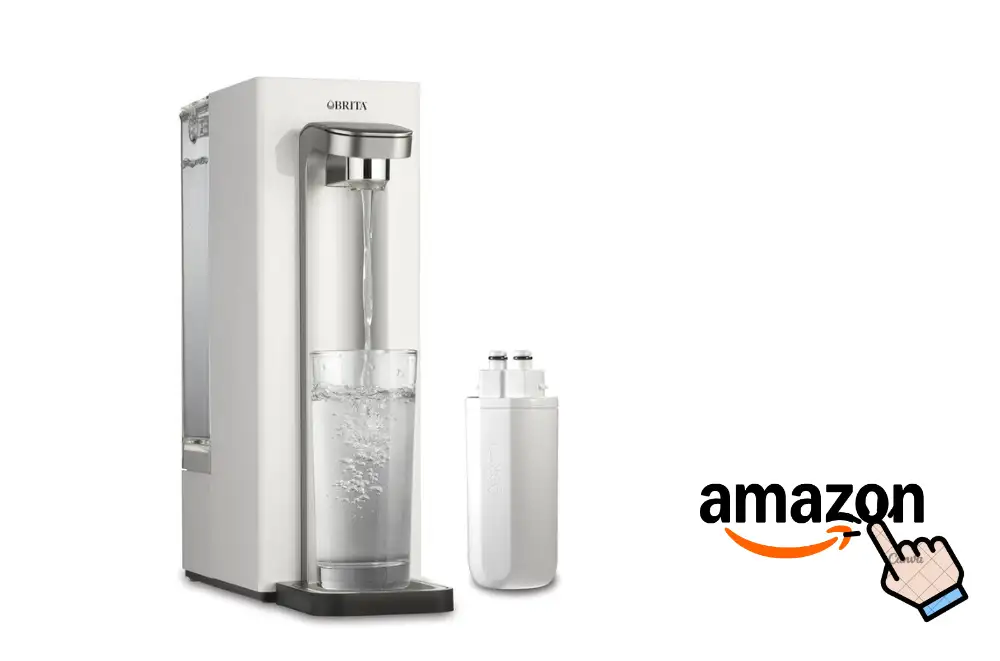
Brita filters reduce chlorine, mercury, copper, and zinc. They also cut down on some sediment and bad smells. These filters do not remove all bacteria or viruses. They are not designed to remove fluoride from water.
Filter Lifespan And Maintenance
Brita filters need changing every 40 gallons or two months. Using an old filter lowers water quality and taste. Regular replacement keeps the filter working properly and safe.
What Fluoride Is
Fluoride is a mineral added to water to help prevent tooth decay. It is often found in tap water but not in all filters. Many common water filters, like Brita, do not remove fluoride effectively.
Fluoride is a mineral found naturally in water, soil, and rocks. It has a strong effect on teeth and bones. People use fluoride to help stop tooth decay. Many toothpaste brands add fluoride for this reason.
Fluoride enters water supplies through natural processes and human activities. Some water systems add fluoride to improve dental health. This process is called water fluoridation. It aims to reduce cavities in the community.
Sources Of Fluoride
Fluoride comes from natural sources like rocks and minerals. It also appears in small amounts in food and water. Some bottled waters contain fluoride, while others do not. Fluoride levels vary depending on the location.
Humans add fluoride to some public water supplies. This helps prevent tooth decay in many people. Fluoride can also be found in dental products like mouthwash and toothpaste.
Why Fluoride Matters
Fluoride helps strengthen tooth enamel. This makes teeth more resistant to acid attacks from bacteria. Strong enamel lowers the risk of cavities. Fluoride also helps repair early tooth damage.
Too much fluoride can cause problems like dental fluorosis. This condition changes the appearance of tooth enamel. Safe fluoride levels protect teeth without causing harm.

Fluoride In Tap Water
Brita water filters remove many impurities but do not filter out fluoride from tap water. Fluoride stays in the water after filtering. To remove fluoride, special filters are needed.
What Is Fluoride In Tap Water?
Fluoride is a mineral found in many water supplies. It helps prevent tooth decay and strengthens teeth. Many cities add fluoride to tap water for dental health benefits.
Not all tap water contains fluoride. Some places naturally have it, while others add it during treatment. The amount varies by location and local rules.
Why Do Some People Avoid Fluoride?
Some worry about fluoride’s effects on health. They prefer to drink water without fluoride. Concerns include possible bone or thyroid problems.
Others simply dislike the taste or want to control what they consume. Choosing filtered water can help reduce fluoride intake.
How Much Fluoride Is Safe?
Health experts recommend a safe fluoride level in water. The usual range is 0.7 to 1.2 milligrams per liter. This level helps protect teeth without causing harm.
Excessive fluoride can lead to dental fluorosis, causing spots on teeth. Very high fluoride levels may cause other health issues.

How Brita Filters Work
Brita water filters clean tap water by using a special filter cartridge. This cartridge contains activated carbon and ion exchange resin. These materials work together to remove many impurities from water. The process improves taste, odor, and clarity.
Water passes through the filter slowly. This gives the activated carbon time to trap chlorine and other chemicals. The ion exchange resin reduces metals like copper, mercury, and cadmium. Together, they make the water safer and better to drink.
Activated Carbon Filtration
Activated carbon attracts and holds many pollutants. It removes chlorine, which causes bad taste and smell. It also captures some organic compounds that affect water quality. This process helps water taste fresher and cleaner.
Ion Exchange Resin
This resin swaps harmful metal ions for safer ones. It reduces metals like lead and mercury. This step helps lower metal content in your water. It also protects your health by reducing toxic substances.
What Brita Filters Do Not Remove
Brita filters do not remove fluoride. Fluoride is a small ion that passes through the filter. The materials used are not designed to trap fluoride. For fluoride removal, special filters like reverse osmosis are needed.
Fluoride Removal Capabilities
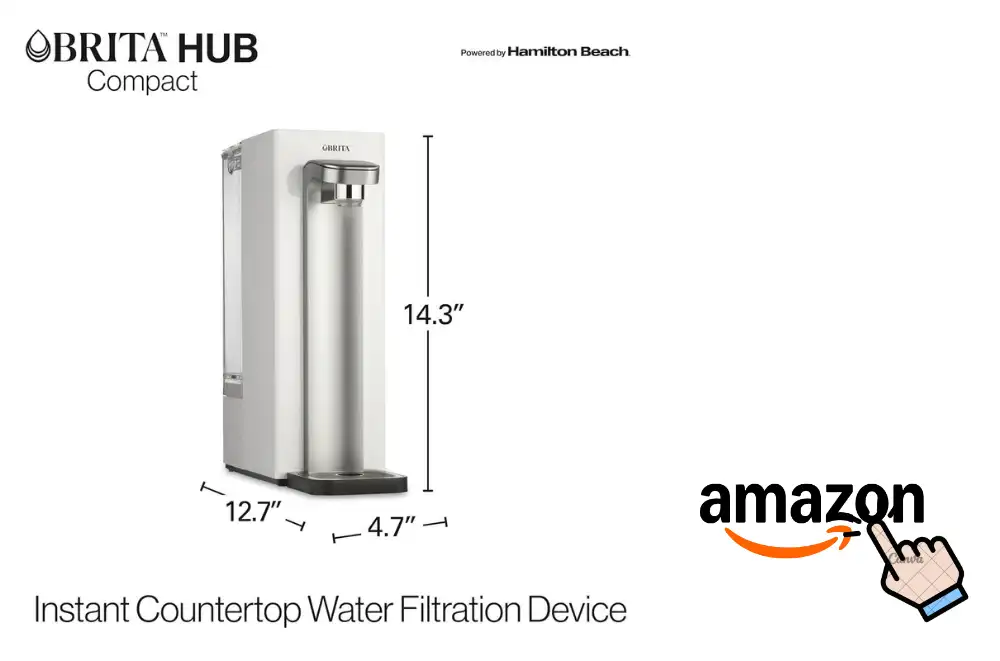
Brita water filters reduce chlorine and some impurities but do not remove fluoride. Fluoride needs special filters like reverse osmosis or activated alumina. For lower fluoride levels, choose filters designed specifically for that purpose.
Brita water filters mainly use activated carbon and ion exchange resin.
These materials reduce chlorine, bad taste, and some metals in water.
They improve water flavor and clarity but do not target all chemicals.
Fluoride And Its Presence In Water
Fluoride is added to many public water supplies to help dental health.
It is a mineral that stays dissolved in water and is hard to remove.
Many water filters struggle to remove fluoride effectively.
Can Brita Filters Remove Fluoride?
Standard Brita filters do not remove fluoride from drinking water.
The activated carbon and resin inside do not capture fluoride ions well.
People wanting fluoride-free water need special filters designed for it.
Options For Removing Fluoride
Reverse osmosis and activated alumina filters can reduce fluoride levels.
These systems are different from Brita and usually cost more.
Check filter specifications carefully before buying for fluoride removal.
Scientific Studies On Brita And Fluoride
Many people ask if Brita water filters remove fluoride from water. Scientific studies help answer this question. Researchers test how well Brita filters work against various substances. Fluoride is a common chemical added to water. Understanding how Brita interacts with fluoride is important for health.
These studies use lab tests and real water samples. They measure fluoride levels before and after filtering. Results show how much fluoride the filter can reduce. This data helps consumers choose the right water filter.
Lab Tests On Brita Filters And Fluoride Removal
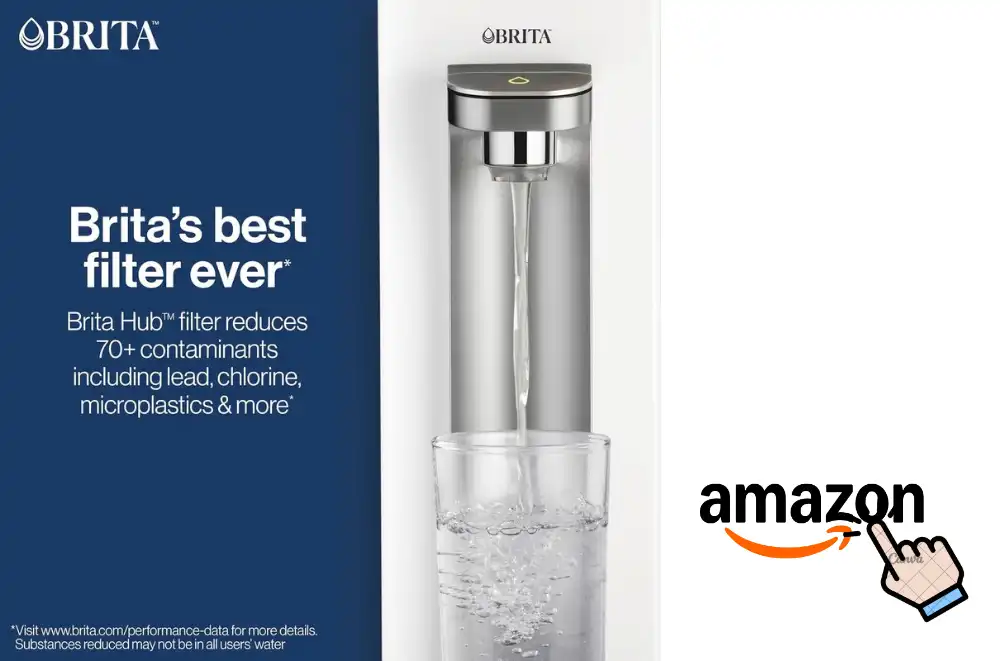
Scientists run controlled lab tests to check fluoride removal. They pass water with known fluoride amounts through Brita filters. Then, they measure fluoride in the filtered water. Most lab tests find Brita filters remove little to no fluoride. This is because Brita uses activated carbon and ion exchange resin. These materials do not target fluoride ions well.
Real-world Studies And User Reports
Some studies use tap water from homes to test Brita filters. They compare fluoride levels before and after filtration. These real-world tests confirm lab results. Brita filters reduce some chlorine and metals but not fluoride. User reports also state similar findings. People see better taste but no big change in fluoride.
Why Brita Filters Struggle With Fluoride
Fluoride ions are small and stay dissolved in water. Brita’s carbon filters capture larger particles and chemicals. Fluoride needs special filters like reverse osmosis or activated alumina. Brita filters are not designed to remove fluoride. This explains the low fluoride reduction in tests.
Alternatives For Fluoride Removal
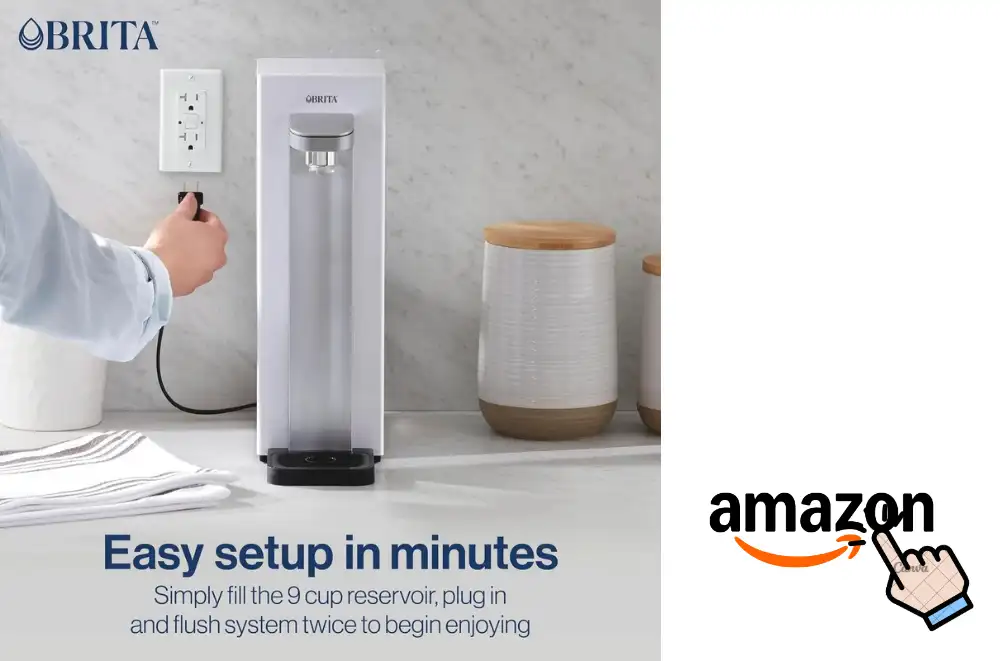
Removing fluoride from drinking water requires specific methods. Brita water filters do not reduce fluoride levels. To lower fluoride, special filters or treatments are necessary. Several options exist to help filter out fluoride effectively.
Activated Alumina Filters
Activated alumina is a type of filter that absorbs fluoride. Water passes through this material, which captures fluoride particles. These filters are affordable and easy to install. They work well for home use and small-scale filtration.
Reverse Osmosis Systems
Reverse osmosis (RO) uses pressure to push water through a membrane. This membrane blocks many impurities, including fluoride. RO systems remove up to 95% of fluoride. They require more space and maintenance but are very effective.
Distillation Units
Distillation heats water to create steam. The steam leaves impurities, including fluoride, behind. The steam then condenses back into clean water. Distillation removes almost all fluoride and other contaminants.
Bone Char Carbon Filters
Bone char filters use charred animal bones to trap fluoride. This method has been used for decades. It removes fluoride well and improves water taste. These filters need regular replacement for best results.

Health Implications Of Fluoride
Fluoride is a mineral found in water and many dental products. It helps prevent tooth decay but can cause health issues in high amounts. Understanding its health effects is important for safe water consumption.
Effects Of Fluoride On Teeth
Small amounts of fluoride strengthen tooth enamel. This protection reduces cavities and tooth decay. Too much fluoride, though, can cause white spots or stains on teeth. This condition is called dental fluorosis.
Fluoride And Bone Health
Fluoride affects bones by making them stronger at low levels. High fluoride levels may cause bone pain and stiffness. Long-term exposure to excess fluoride can lead to a condition called skeletal fluorosis.
Possible Impact On The Thyroid
Fluoride can interfere with thyroid gland function. The thyroid controls metabolism and energy in the body. Excess fluoride may slow down thyroid activity, affecting overall health.
Fluoride Exposure And Brain Health
Studies suggest high fluoride exposure might affect brain development. Some research links excess fluoride to lower IQ scores in children. More research is needed to confirm these findings.

Choosing The Right Water Filter
Choosing the right water filter matters a lot. Not all filters remove the same chemicals and impurities. Some focus on chlorine and bad taste. Others target heavy metals or bacteria. Fluoride is one of the tougher elements to filter out.
Knowing what you want to remove helps pick the right filter. Some filters say they reduce fluoride. Many do not. Understanding the type of filter technology is key.
Types Of Water Filters
Carbon filters are common. They improve taste and remove chlorine. Most carbon filters do not remove fluoride. Reverse osmosis filters remove many impurities. They also reduce fluoride levels effectively. Distillation also removes fluoride by boiling water. Each type suits different needs and budgets.
Check Filter Certifications
Look for filters tested by trusted labs. Certifications show what a filter removes. NSF International is a well-known certifier. Some filters have specific fluoride reduction certification. This confirms the filter’s ability to lower fluoride safely.
Consider Your Water Source
Water quality varies by location. Test your water for fluoride levels first. High fluoride needs stronger filters like reverse osmosis. Low fluoride may not require special filters. Knowing your water helps avoid unnecessary expenses.
FAQ: Do Brita Water Filters Filter Out Fluoride
Does Brita Filter Remove Fluoride From Water?
Brita filters do not remove fluoride effectively. They mainly reduce chlorine, taste, and odor. For fluoride removal, special filters are needed.
What Types Of Filters Remove Fluoride From Water?
Activated alumina and reverse osmosis filters remove fluoride well. These are different from typical carbon filters like Brita. Look for filters labeled for fluoride removal.
Can Brita Filters Improve Water Taste Without Removing Fluoride?
Yes, Brita filters improve water taste by reducing chlorine and impurities. This makes water taste cleaner but fluoride stays in the water.
Is Fluoride Harmful In Drinking Water?
Fluoride helps prevent tooth decay in small amounts. Too much fluoride can cause health issues. Water levels are usually regulated for safety.
How To Test Fluoride Levels In Tap Water?
Use a fluoride test kit from a hardware or online store. Some labs also test water for fluoride. Testing helps decide if you need fluoride removal.
Conclusion
Brita water filters do not remove fluoride from water. They focus on reducing chlorine, bad taste, and some heavy metals. If fluoride removal is important, consider other filter types like reverse osmosis. Clean water matters for health and taste. Choose the right filter based on your needs.
Always check product details before buying. Stay informed to make the best choice for your household. Clear, fresh water is possible with the right filter.