

Are you torn between choosing a Dutch oven or a crock pot for your kitchen? Both are popular tools that can make cooking easier and more delicious, but they work very differently.
Understanding the strengths and weaknesses of each can save you time, money, and frustration. You’ll discover which one fits your cooking style and needs best. Keep reading to find out how to make the smartest choice for your next meal!
Table of Contents
Dutch Oven Basics
The Dutch oven is a classic cooking pot loved by many. Its simple design and strong build make it a kitchen essential. Knowing the basics helps you use it well and enjoy great meals.
This section covers the materials, heat distribution, and cooking uses of a Dutch oven. These points show why it stands out in the kitchen.
Materials And Design
Dutch ovens are usually made from cast iron. This material holds heat very well. Many have a coating of enamel. This enamel makes cleaning easier and stops rust. The pot has thick walls and a tight lid. These keep heat and moisture inside while cooking. The sturdy handle helps carry the heavy pot safely.
Heat Distribution
Cast iron spreads heat evenly across the pot. This stops hot spots that burn food. The thick walls store heat for a long time. It works well on the stove and in the oven. The tight lid traps steam. It helps cook food gently and keeps it juicy.
Versatility In Cooking
Dutch ovens can cook many types of meals. They are perfect for stews, soups, and braises. You can also bake bread or roast meats in them. Their ability to go from stove to oven is a big plus. This pot works for slow cooking and quick frying. It is a true all-rounder in the kitchen.
Crock Pot Essentials
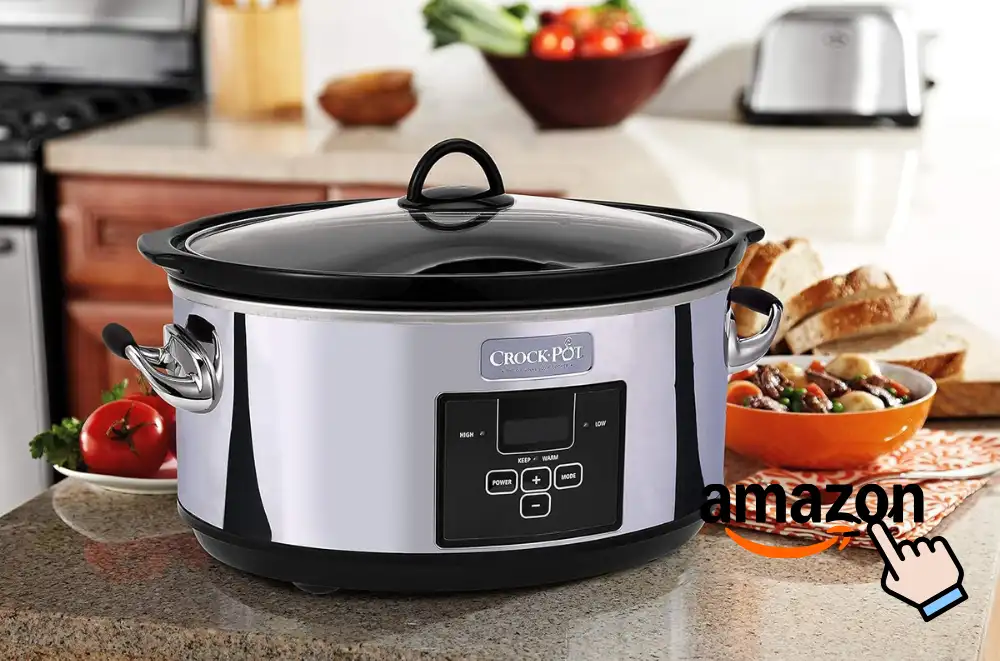
The Crock Pot is a popular slow cooker loved for its convenience. It helps you prepare meals with little effort. Understanding its key features makes cooking easier and more enjoyable.
This section covers the essential aspects of a Crock Pot. Learn about its electric features, temperature settings, and ease of use. These details will help you decide if it fits your kitchen needs.
Electric Features
Crock Pots run on electricity, which powers the slow cooking process. Most models have a removable stoneware pot. This pot is dishwasher safe, which makes cleaning simple. The heating element surrounds the pot evenly. This helps cook food thoroughly and safely. Some Crock Pots come with timers and automatic shut-off features. These add safety and help avoid overcooking.
Temperature Settings
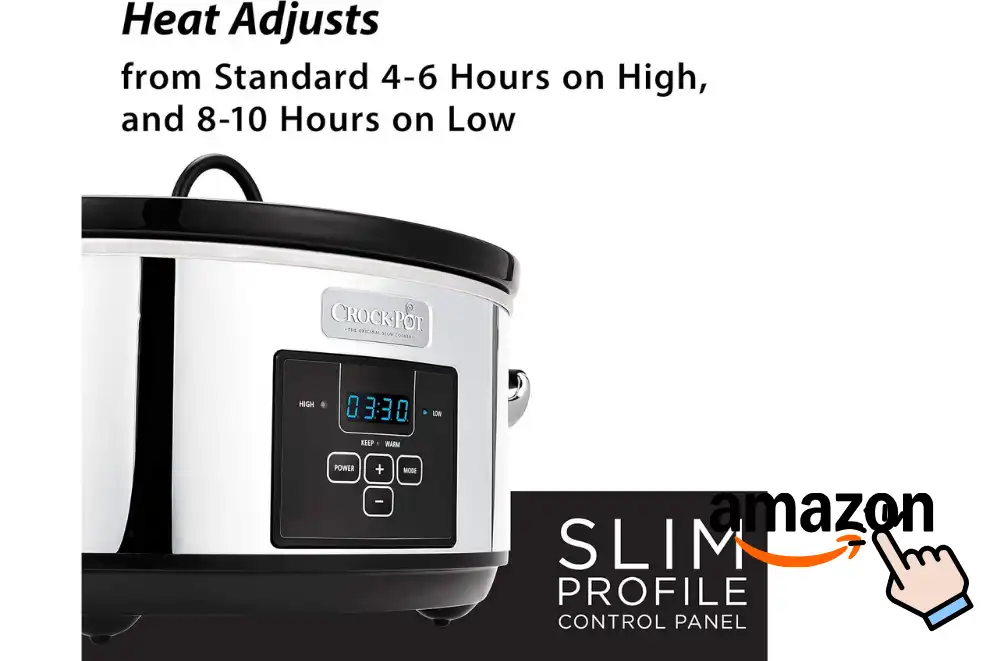
Crock Pots usually have low, high, and warm settings. The low setting cooks food slowly over several hours. The high setting cooks faster but still gently. The warm setting keeps food hot without cooking more. This range lets you control the cooking time and heat. It suits many recipes, from soups to stews and roasts.
Ease Of Use
The Crock Pot is simple to use. Add ingredients, choose a setting, and start cooking. It does not require constant attention. The lid stays on during cooking, keeping moisture inside. This means no stirring or checking is needed often. Many models have simple dials or digital controls. This makes it easy for beginners and busy cooks.
Cooking Methods Comparison
Understanding how Dutch ovens and crock pots cook food helps choose the right tool. Both use heat to cook, but their methods differ. These differences affect taste, texture, and cooking time. Let’s explore how each device works.
Heat Source Differences
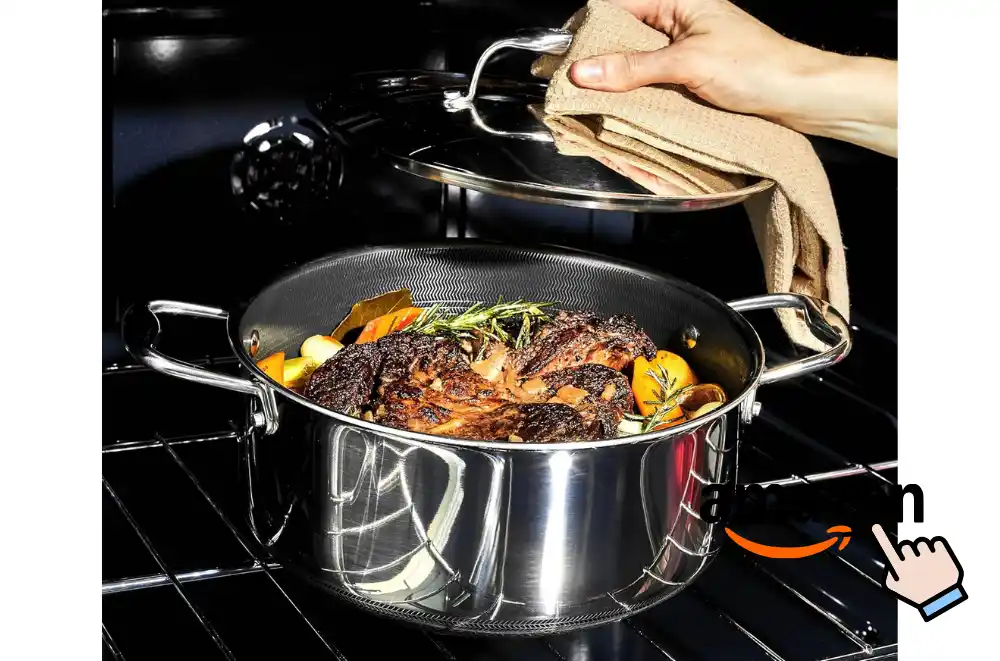
A Dutch oven uses direct heat from a stove or oven. It can handle high temperatures for searing meat or baking bread. Heat surrounds the pot evenly. This helps food brown well and develop rich flavors.
A crock pot uses electric heat. It cooks food slowly at low temperatures. The heat comes from a heating element inside the cooker. This gentle heat softens food over time. It is ideal for tender stews and soups.
Cooking Time Variations
A Dutch oven cooks food faster due to higher heat. Meals can be ready in under two hours. It suits recipes needing quick cooking or crisp textures.
A crock pot cooks food slowly, usually over 4 to 8 hours. Slow cooking breaks down tough ingredients well. It allows flavors to blend deeply. This method is perfect for set-it-and-forget-it meals.
Flavor And Texture Outcomes
The way food tastes and feels can change a lot depending on the cooking method. Dutch ovens and crock pots both slow cook food, but they create different results. Understanding how each tool affects flavor and texture helps you pick the right one for your meal.
Taste Profiles
Dutch ovens use high heat and can brown food before slow cooking. This browning adds a rich, deep flavor to dishes. The pot also keeps heat steady, helping spices and herbs mix well with the food.
Crock pots cook food at low temperatures for many hours. This slow cooking makes flavors blend softly and evenly. The taste is mild and smooth, perfect for stews and soups that need gentle heat.
Food Texture
Dutch ovens keep food firm yet tender. Meat can get a crispy outside while staying juicy inside. Vegetables cook evenly but keep some bite.
Crock pots make food very soft. Meat falls apart easily and vegetables become very tender. This method suits dishes where soft texture is preferred, like pulled pork or creamy stews.
Cleaning And Maintenance
Cleaning and maintenance are key to keeping Dutch ovens and crock pots in great shape. Proper care helps these kitchen tools last longer and work better. Both need different cleaning methods due to their materials and design. Simple steps make the process easier and save time.
Cleaning Tips For Dutch Ovens
Use warm water and mild soap for cleaning. Avoid harsh detergents that damage the enamel. Soak the pot if food sticks to the surface. Use a soft sponge or brush to scrub gently. Do not use metal scrubbers that scratch the enamel. Dry the Dutch oven thoroughly before storing to prevent rust. Store with the lid off to allow airflow.
Cleaning Tips For Crock Pots
Remove the ceramic insert and wash it separately. Use warm soapy water and a soft cloth or sponge. Avoid abrasive cleaners to protect the surface. Clean the heating base with a damp cloth only. Never immerse the heating base in water. Dry all parts well before reassembling. Regularly check the cord and plug for damage. Store the crock pot in a dry place to avoid mold.
Portability And Storage
Portability and storage play a big role in choosing between a Dutch oven and a crock pot. Both tools have different sizes and weights. These factors affect how easy they are to move and where you can keep them at home. Understanding these details helps pick the best cooking pot for your kitchen and lifestyle.
Weight Considerations
Dutch ovens are usually heavy. They are made of cast iron. This makes them strong but hard to carry. You may find them heavy to move from kitchen to dining table. Some Dutch ovens weigh more than 10 pounds. This weight can be tough for some users.
Crock pots are lighter. They have a ceramic pot inside a plastic or metal housing. This design makes them easier to lift. Most crock pots weigh less than Dutch ovens. This makes them better for carrying to parties or events. You can easily move a crock pot without much effort.
Storage Space Needs
Dutch ovens take up more space. Their thick walls and heavy lid need a large cabinet or shelf. You need enough room to store them safely. Some Dutch ovens come with lids that fit tightly, so stacking is hard.
Crock pots are bulkier but often come with removable parts. You can store the ceramic pot and lid separately. This helps save space in your kitchen. Some crock pots are designed to be tall and narrow, which fits better in cupboards. They also usually have a cord that you can wrap neatly.
Cost And Durability
Cost and durability play a big role in choosing between a Dutch oven and a crock pot. Both have different price points and last for different lengths of time. Knowing these facts helps you decide which fits your kitchen and budget better.
Initial Investment
A Dutch oven usually costs more upfront. It is made from heavy cast iron or ceramic. This makes it strong but pricier. Crock pots are often cheaper at first. They use simple electrical parts and plastic. This makes them easier to buy for many people.
Long-term Use
Dutch ovens can last for decades if cared for well. They do not have electronics that can break. You can use them on the stove or in the oven. Crock pots have parts that may wear out over time. The heating element or timer can fail. This might mean repair or replacement sooner than a Dutch oven.
Best Recipes For Each
Both Dutch ovens and crock pots offer unique ways to cook delicious meals. Each appliance suits different types of recipes. Choosing the right one depends on your cooking style and time available.
Below are some popular recipes that work best for each tool. These ideas will inspire your next meal and show the strengths of Dutch ovens and crock pots.
Top Dutch Oven Dishes
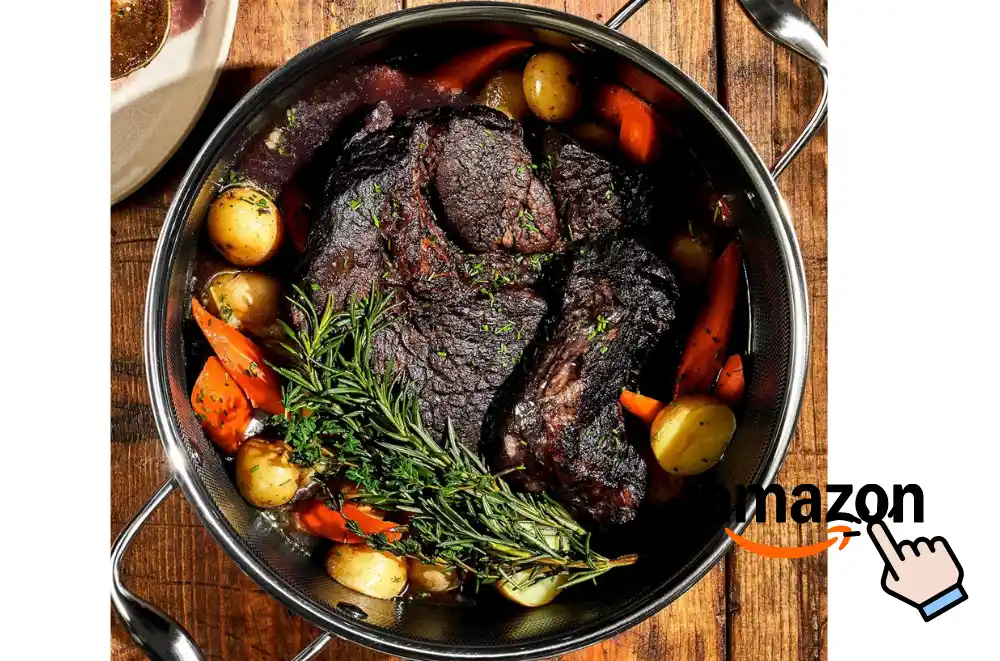
- Beef stew with vegetables – rich and hearty.
- Classic French onion soup – caramelized onions and melted cheese.
- Roast chicken with herbs – juicy and tender.
- Artisan bread – crusty on outside, soft inside.
- Chili con carne – spicy and thick.
Popular Crock Pot Meals
- Slow-cooked pulled pork – tender and flavorful.
- Chicken curry – creamy and mild spices.
- Vegetable soup – easy to prepare and healthy.
- Beef and barley stew – perfect for cold days.
- Oatmeal with fruits – warm and comforting breakfast.
FAQ: Dutch Oven Vs Crock Pot
What Is The Main Difference Between A Dutch Oven And A Crock Pot?
A Dutch oven cooks food using high heat on a stove or oven. A crock pot cooks slowly at low heat over hours.
Which One Is Better For Slow Cooking Recipes?
Crock pots are designed for slow cooking and keep food warm for a long time. Dutch ovens can do slow cooking but need more attention.
Can I Use A Dutch Oven Like A Crock Pot?
Yes, you can use a Dutch oven for slow cooking, but it needs to be watched more closely and may use the oven or stove.
Are Dutch Ovens Or Crock Pots Easier To Clean?
Crock pots usually have removable parts that are dishwasher safe, making them easier to clean than heavy, cast-iron Dutch ovens.
Which Is More Energy-efficient: Dutch Oven Or Crock Pot?
Crock pots use less electricity by cooking slowly over many hours. Dutch ovens use more energy because they need high heat for cooking.
Conclusion
Choosing between a Dutch oven and a crock pot depends on your cooking style. Dutch ovens heat quickly and work great for stovetop and oven use. Crock pots cook food slowly and need less attention. Both tools make tasty meals but in different ways.
Think about how much time you have and what dishes you like. Each has its own strengths to fit your kitchen needs. Try both to see which suits you best. Cooking can be simple and enjoyable with the right pot.