
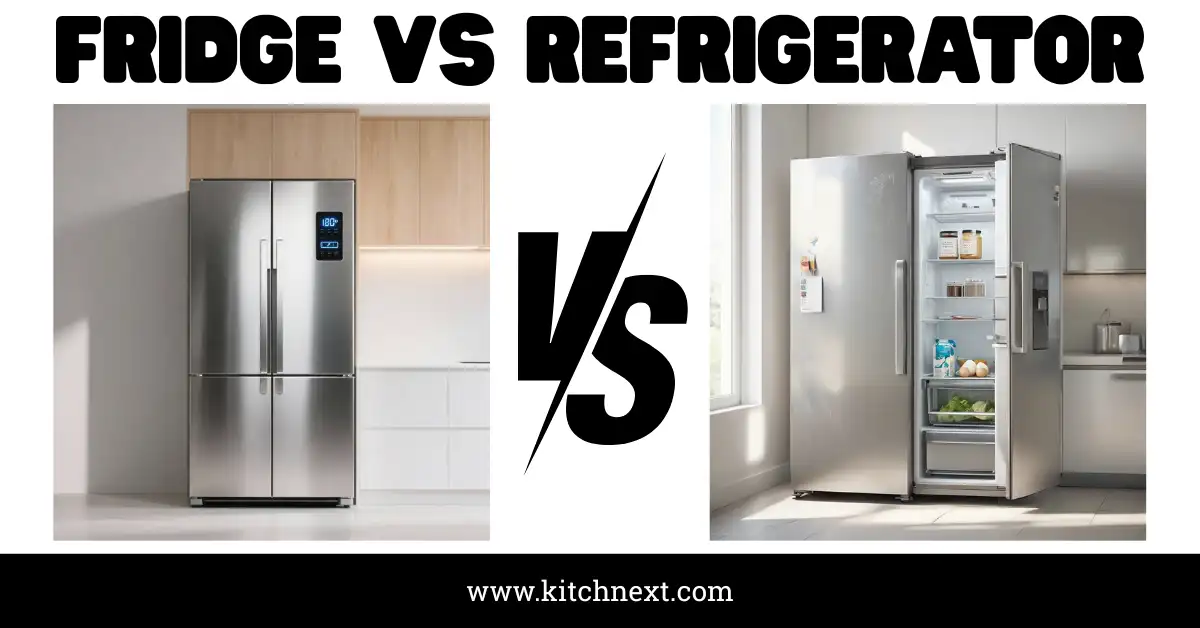
Have you ever wondered if there’s a real difference between a fridge and a refrigerator? You might use these words interchangeably, but understanding what sets them apart can help you make smarter choices for your kitchen.
Whether you’re shopping for a new appliance or just curious, this simple guide will clear up the confusion and give you practical insights. Keep reading to discover which option fits your needs best and why this small detail matters more than you think.
Table of Contents
Origins And Terminology
The terms “fridge” and “refrigerator” often cause confusion. Both words refer to the same household appliance that keeps food cold. Understanding their origins and how these terms came to be helps clarify this common question.
The word “refrigerator” is the original and formal term. It comes from the Latin word “refrigerare,” which means “to cool again.” This term has been used since the early days of cooling technology.
“Fridge” is a shortened, informal version of “refrigerator.” It became popular in everyday language because it is easier and faster to say. The shorter form makes conversations simpler and more casual.
Origin Of The Word Refrigerator
The word “refrigerator” first appeared in the early 1600s. It described a device or process that cools something. Early refrigerators were not machines but natural methods like iceboxes.
The modern electric refrigerator was invented in the early 1900s. This invention changed food storage forever. The term “refrigerator” stayed, even as technology improved.
How Fridge Became Popular
“Fridge” started being used in the 1930s. It is a slang form that made talking about refrigerators easier. People preferred this short word in daily speech.
The word “fridge” caught on quickly. Advertisers and manufacturers began using it too. It shows how language adapts to everyday life.
Differences In Usage Around The World
In the United States, “refrigerator” is common in formal writing. “Fridge” is used mostly in speech. Both words are understood everywhere.
In the United Kingdom and Australia, “fridge” is very popular. People use it in both speech and writing. The formal word “refrigerator” appears less often.
Other countries may use different terms. But “fridge” and “refrigerator” are widely recognized globally.
Design And Structure
The design and structure of fridges and refrigerators affect their use and fit in your home. Both keep food cold, but their shapes and features differ. Understanding these differences helps you choose the right one.
Design affects how you store items and access them daily. Structure impacts the space inside and the size outside. Let’s explore these details.
Fridge Design Basics
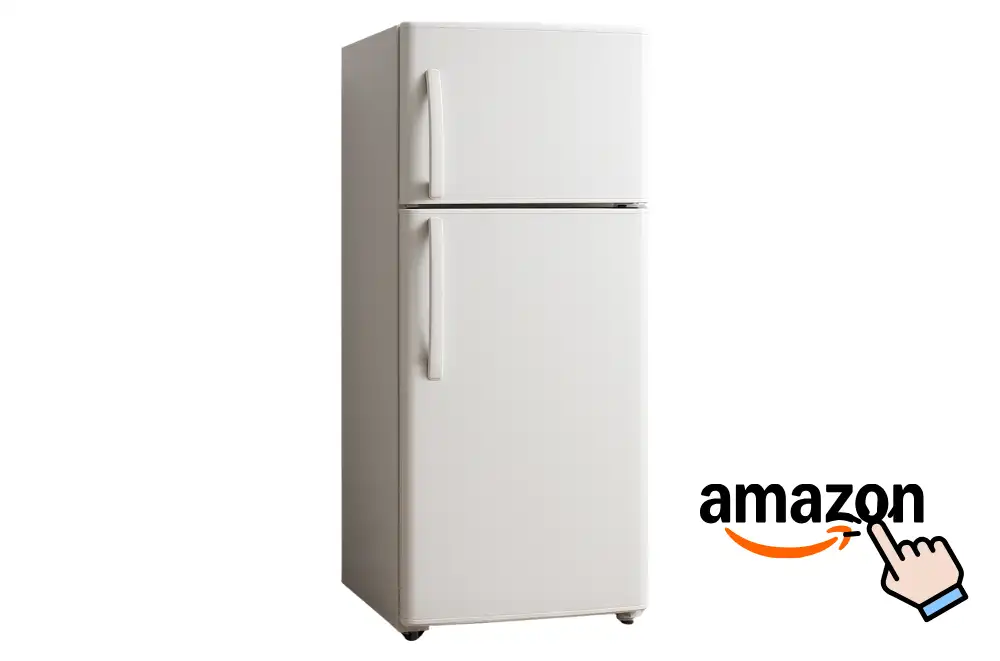
Fridges usually have a simple, boxy shape. They come in small to medium sizes. Most have one or two doors. The freezer section might be inside or on top.
They focus on easy access and basic cooling. Shelves are often adjustable. The door has space for bottles and small items. The design fits kitchens with limited space.
Refrigerator Structural Features
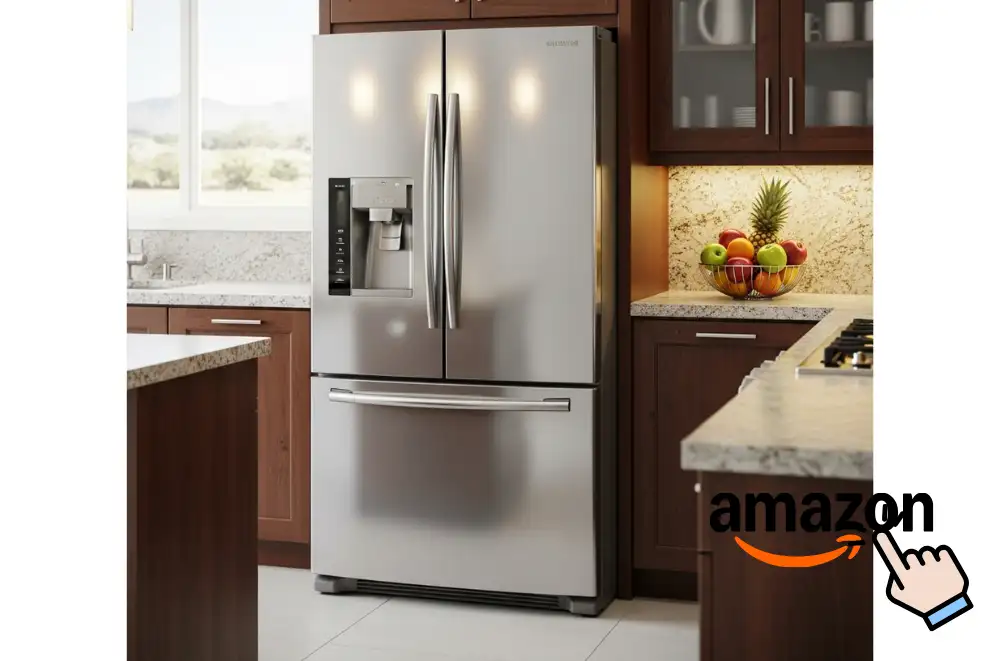
Refrigerators tend to have a more complex structure. They come in various styles: side-by-side, French door, or bottom freezer. This variety offers more storage options.
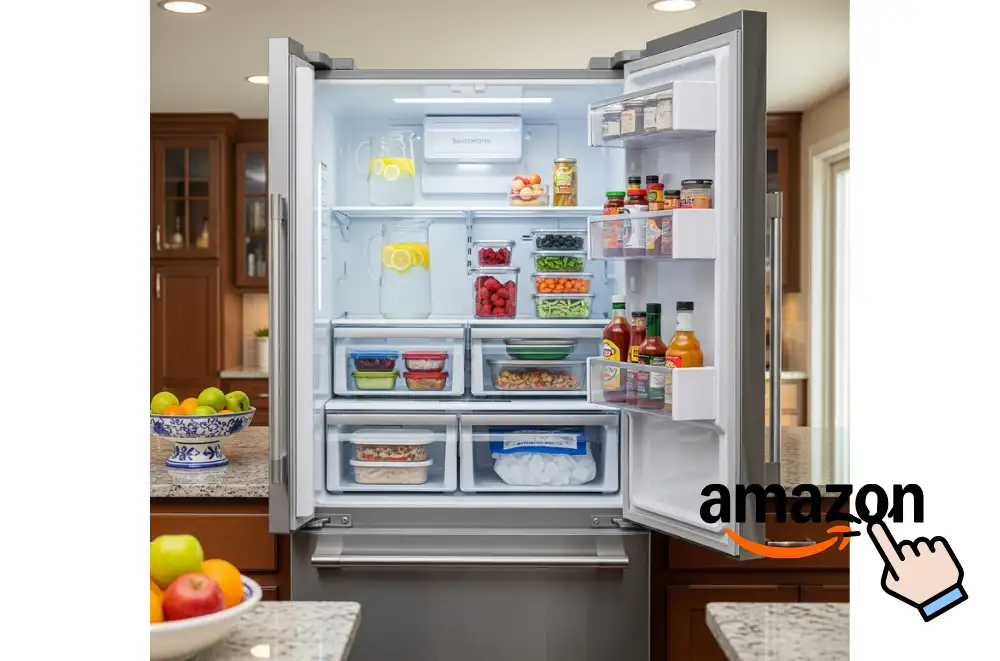
Inside, refrigerators have multiple compartments for different foods. They include humidity controls and special drawers. These features keep fruits and vegetables fresh longer.
Material And Build Quality
Fridges often use basic materials like plastic and metal. They focus on durability and cost-effectiveness. Their build is lightweight for easy movement.
Refrigerators use higher-quality materials. Stainless steel is common for a modern look. They have better insulation to save energy. The build is sturdy to support heavy use.
Space And Capacity Differences
Fridges usually have less storage space. They suit small families or single users. Their compact design fits tight spaces easily.
Refrigerators offer larger capacity. They can store more food and drinks. Their design supports bigger households and bulk shopping.
Cooling Mechanisms
Cooling mechanisms are the heart of both fridges and refrigerators. They keep food fresh and drinks cold by removing heat inside the unit. Understanding how these mechanisms work helps you see the difference between a fridge and a refrigerator.
Both appliances use a system called refrigeration, but their methods and efficiency can differ. The cooling process involves a cycle that moves heat from inside to outside. This cycle uses a refrigerant, a special fluid that changes from gas to liquid and back.
Compressor-based Cooling
Most refrigerators use a compressor to cool the inside. The compressor squeezes the refrigerant gas, making it hot and high-pressure. The gas then moves through coils outside the unit, releasing heat. It cools down and turns into a liquid. This liquid travels inside the fridge and evaporates, absorbing heat. This process lowers the temperature inside.
Thermoelectric Cooling
Some smaller fridges use thermoelectric cooling. This method uses electricity to create a heat difference. A device called a Peltier module moves heat from one side to another. It does not use refrigerants or compressors. This system is quieter and lighter but less efficient for large cooling needs.
Absorption Cooling
Absorption cooling is another method found in some refrigerators. It uses heat, often from gas or electricity, to drive the cooling process. This system moves a refrigerant through a cycle of evaporation and absorption. It works silently and without a compressor but is slower to cool.
Energy Efficiency
Energy efficiency is a key factor in choosing a cooling appliance. It affects your electricity bill and the environment. Both fridges and refrigerators use energy, but their designs differ. Understanding these differences helps pick the best option for your needs.
Energy Use In Fridges
Fridges usually use less energy than refrigerators. They are smaller and have fewer features. This means they consume less power over time. Ideal for small spaces and light use.
Energy Use In Refrigerators
Refrigerators often have larger capacity and extra functions. These features increase energy consumption. They work harder to keep food fresh longer. Best suited for families or heavy food storage.
Energy Efficiency Ratings
Both appliances come with energy ratings. Look for labels like Energy Star or EU energy labels. These ratings show the appliance’s power efficiency. Choose models with higher ratings to save energy and money.
Impact On Electricity Bills
Lower energy use means smaller electricity bills. Fridges cost less to run monthly. Refrigerators may add more to your bill. Consider how often you open the door and store food.
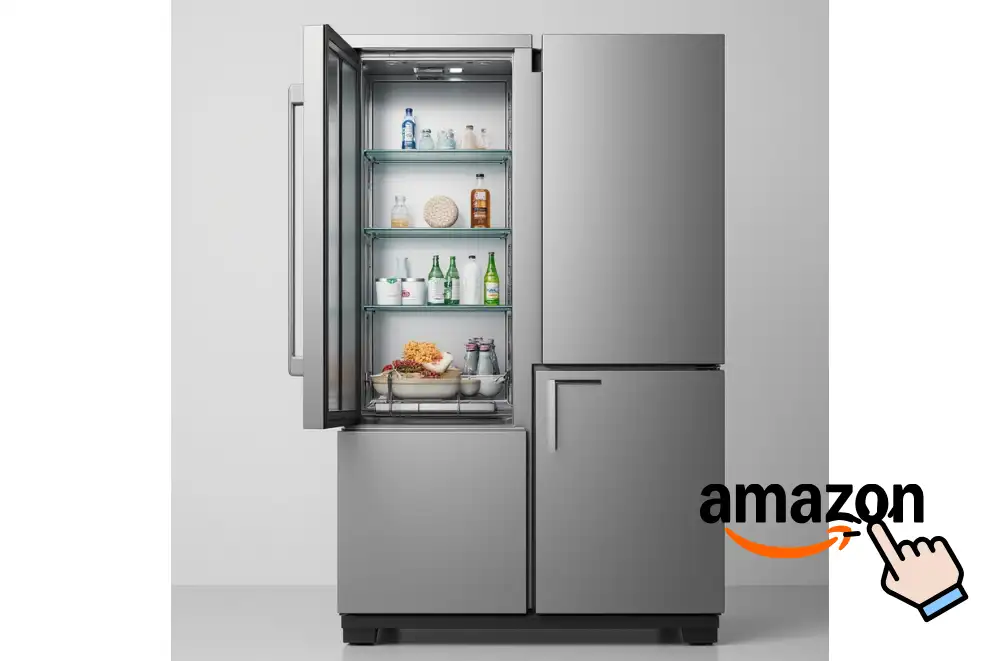
Capacity And Storage Options
Capacity and storage options are key factors in choosing between a fridge and a refrigerator. Both devices keep food cold but differ in size and organization. Understanding these differences helps pick the right one for your needs.
Space inside affects what and how much you can store. Storage design impacts convenience and food safety. Let’s explore these aspects in detail.
Fridge Capacity
Fridges usually have smaller storage space. They fit well in small kitchens or offices. Capacity ranges from 3 to 10 cubic feet. This size suits basic needs like drinks and snacks. Limited space means you must organize carefully.
Refrigerator Capacity
Refrigerators offer larger capacity, often over 15 cubic feet. They serve bigger families or heavy users. More space allows storing fresh produce, leftovers, and bulk items. Larger units often have separate freezer sections.
Storage Options In Fridges
Fridges have simple shelves and door racks. Some include small compartments for fruits or dairy. Adjustable shelves are rare but helpful. Storage focuses on daily essentials and quick access.
Storage Options In Refrigerators
Refrigerators come with varied storage features. They often have crisper drawers for vegetables. Multiple shelves adjust to fit tall or wide items. Door bins, meat drawers, and ice makers add convenience. These options help keep food fresh longer.
Maintenance And Durability
Maintenance and durability are key factors in choosing between a fridge and a refrigerator. Both appliances need care to work well for a long time. Proper upkeep saves money on repairs and energy bills. Durability ensures the appliance lasts through daily use and small accidents.
Cleaning And Upkeep
Regular cleaning stops bad smells and keeps food fresh. Wipe shelves and door seals often. Remove ice build-up in freezers to improve cooling. Check the water filter and replace it on time. Clean the coils behind the appliance to help it run smoothly.
Common Repairs
Fridges and refrigerators share common issues like temperature problems and leaks. Door seals can wear out and need changing. The compressor might fail and require fixing. Fans can get noisy or stop working. Early repair stops bigger damage and saves costs.
Build Quality And Materials
Durability depends on the materials used. Metal parts last longer than plastic. Strong hinges and handles resist wear and tear. The insulation affects how well it keeps cool. Better build quality means fewer repairs and longer life.
Energy Efficiency And Lifespan
Energy-efficient models last longer and cost less to run. Old appliances use more electricity and break down faster. Check the energy rating before buying. A durable fridge or refrigerator keeps food safe and saves money over years.
Price And Value
Price and value play a big role in choosing between a fridge and a refrigerator. Both store food and keep it fresh. But their cost and features affect what you get for your money. Understanding these differences helps you make a smart choice.
Cost Differences Between Fridge And Refrigerator
A fridge usually costs less than a full refrigerator. It is smaller and simpler in design. Refrigerators have more parts and features, which raise the price. The size and brand also change the cost. A basic fridge is a good option for tight budgets.
Value In Terms Of Features And Capacity
Refrigerators often offer more space and extra features. They can have freezer compartments, ice makers, and temperature controls. These features add value but increase the price. A fridge is basic but works well for small spaces or fewer items. The right choice depends on your needs.
Long-term Savings And Energy Efficiency
Energy use affects the total cost over time. Modern refrigerators may use less energy despite higher prices. A fridge uses less power because it is smaller. Check energy ratings to find models that save money on bills. Spending more upfront can reduce costs later.
FAQ: Fridge Vs Refrigerator
What Is The Difference Between A Fridge And A Refrigerator?
A fridge is a short term for refrigerator. Both cool food but fridge is casual talk.
Can A Fridge And Refrigerator Be Used Interchangeably?
Yes, people use them as the same, but refrigerator is the correct full name.
Why Do Some People Say Fridge Instead Of Refrigerator?
Fridge is easier and quicker to say in daily conversation.
Do Fridges And Refrigerators Have The Same Cooling System?
Both use similar cooling systems to keep food fresh and cold.
Is Refrigerator A More Formal Word Than Fridge?
Yes, refrigerator is formal and used in writing or official talks.
Conclusion
Choosing between a fridge and a refrigerator depends on your needs. Both keep food fresh and drinks cold. A fridge is usually smaller and fits tight spaces. A refrigerator offers more storage and features. Think about your kitchen size and daily use.
Energy efficiency matters for saving bills. Maintenance and price also influence your choice. Whichever you pick, keeping food fresh is the key. Small or large, both serve the basic purpose well. Make a choice that suits your lifestyle and budget.
Simple and practical—your food stays cool and safe.