
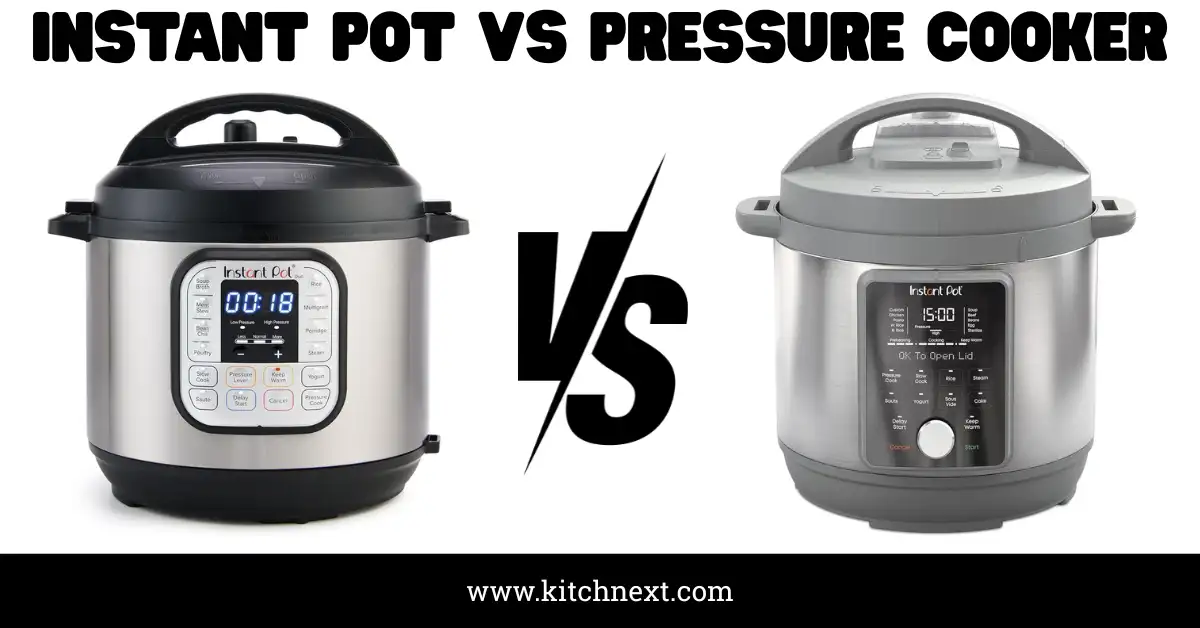
Are you torn between choosing an Instant Pot or a traditional pressure cooker for your kitchen? You’re not alone.
Both promise faster cooking and delicious meals, but they work quite differently. Understanding these differences can save you time, money, and frustration. You’ll discover which option fits your cooking style and lifestyle best. Keep reading to make a confident choice that transforms your meal prep forever.
Table of Contents
Design And Build
The design and build of an Instant Pot and a traditional pressure cooker differ in many ways. These differences affect how you use each appliance and their overall convenience. Understanding these features helps you decide which one fits your kitchen better.
Instant Pot Design Features
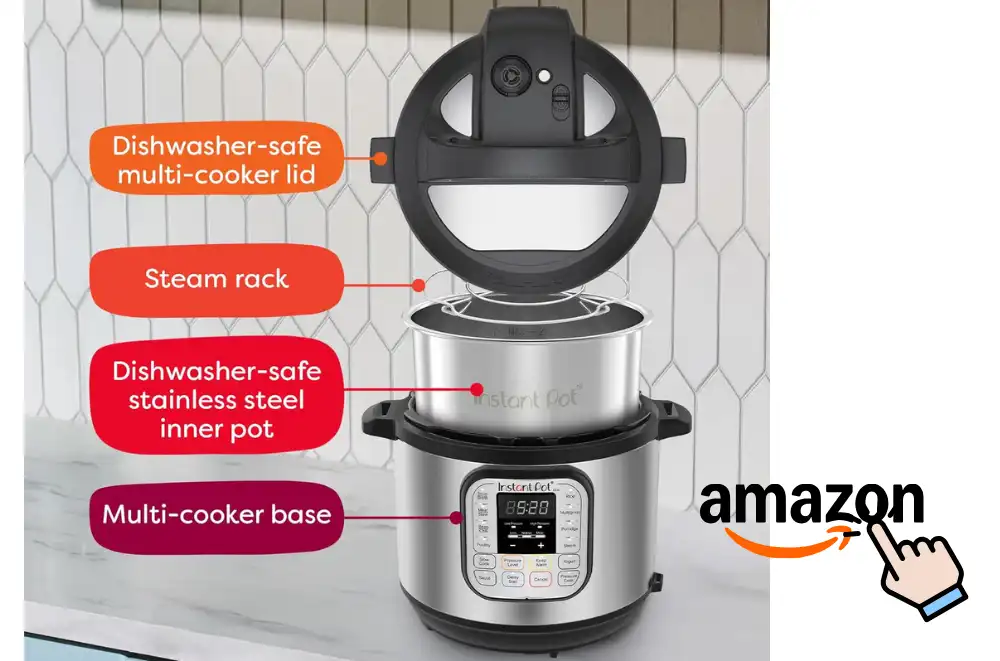
The Instant Pot has a modern look with a digital control panel. It usually has a stainless steel inner pot. The lid locks securely with a safety mechanism. It has buttons for different cooking modes. The size varies but often fits well on kitchen counters.
Pressure Cooker Build Quality
Traditional pressure cookers are simple in design. They often use heavy-duty aluminum or stainless steel. The lid has a manual locking system with a pressure valve. There are fewer parts to operate. They are usually lighter than Instant Pots.
Materials And Durability
Instant Pots use thick stainless steel pots that resist rust and stains. The outer shell is made of strong plastic and metal. Pressure cookers are mostly metal, making them sturdy. Both can last many years with proper care.
Size And Storage
Instant Pots are bulkier due to electronics inside. They need more storage space. Pressure cookers are compact and easier to store. They fit better in small kitchens or cupboards. Size choice depends on your kitchen space.
Cooking Mechanism
Understanding the cooking mechanism helps you choose the best tool. Both Instant Pots and pressure cookers use pressure to cook food faster. The way they build and control pressure differs.
This affects cooking time, safety, and ease of use. Let’s explore how each works inside.
How Instant Pot Builds Pressure
The Instant Pot uses electric heat to warm the sealed pot. It heats water or food liquid to create steam. Steam builds pressure inside the pot, raising the boiling point.
The built-in sensors monitor pressure and temperature. The Instant Pot adjusts heat automatically to keep steady pressure. This control makes cooking precise and hands-free.
How Traditional Pressure Cooker Works
Traditional pressure cookers use a stove for heat. The pot seals tightly to trap steam from boiling liquid. Pressure rises as steam builds inside.
The cook controls the heat manually. They adjust the stove flame to keep steady pressure. Pressure release is done by a valve on the lid.
Pressure Control And Safety Features
The Instant Pot has multiple safety sensors and automatic pressure control. It stops heating if pressure gets too high. It also has a locking lid that opens only when safe.
Traditional pressure cookers rely on a pressure release valve. The user must watch and adjust heat carefully. Some models have safety locks, but they are less advanced.
Safety Features
Safety is a top priority for anyone using a pressure cooker or an Instant Pot. Both devices use high pressure and heat. This can be dangerous without proper safety features. Understanding these features helps users feel confident and secure while cooking.
Instant Pots have multiple built-in safety mechanisms. They are designed to prevent accidents and ensure safe cooking. Traditional pressure cookers also have safety features but differ in design and technology.
Instant Pot Safety Sensors And Locks
Instant Pots use smart sensors to monitor pressure and temperature. These sensors stop heating if levels get too high. The lid locks securely during cooking. It will not open until pressure is fully released. This prevents sudden steam release and burns.
Pressure Cooker Safety Valves And Seals
Pressure cookers have a pressure release valve that releases extra steam. This controls pressure inside the pot. They use rubber or silicone seals to keep steam inside. The lid usually locks in place but can vary by model. These features reduce the risk of accidents.
Automatic Shut-off Features
Many Instant Pots have an automatic shut-off function. This stops cooking if the pot overheats or runs out of water. Some pressure cookers include similar features but not all. Automatic shut-off protects food and prevents damage.
Pressure Release Methods
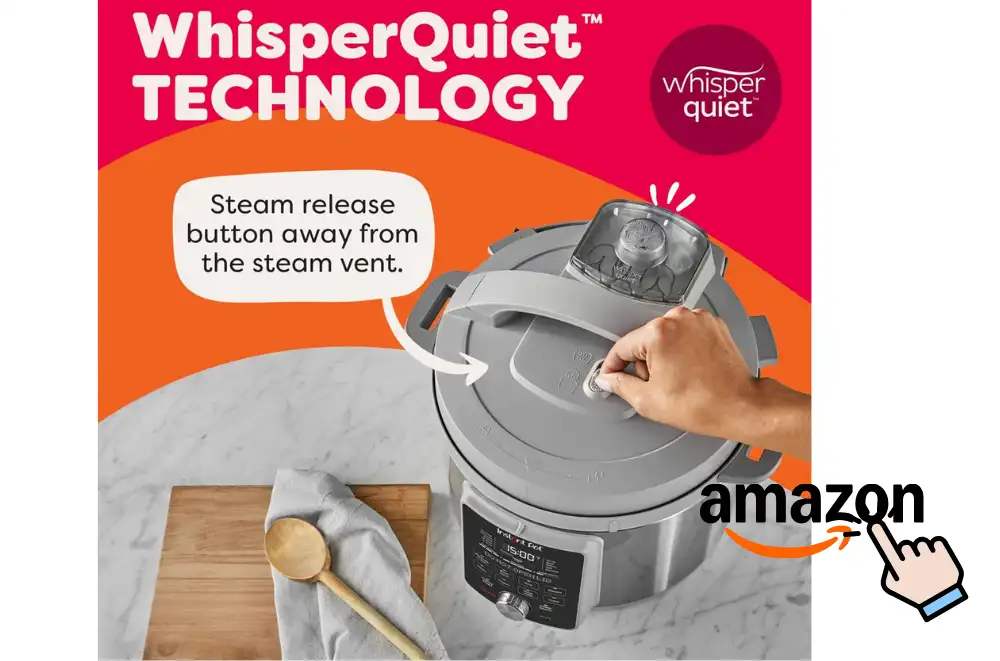
Instant Pots offer easy pressure release buttons. They let steam out slowly and safely. Pressure cookers require manual pressure release using the valve. This can be quick or natural release. Users must be careful to avoid burns during release.

Cooking Functions
Cooking functions are a key factor in choosing between an Instant Pot and a traditional pressure cooker. Both tools cook food faster than regular methods. Yet, they offer different features and settings for various recipes.
Understanding these functions helps pick the best appliance for your kitchen. Each device suits different cooking styles and needs.
Instant Pot Cooking Functions
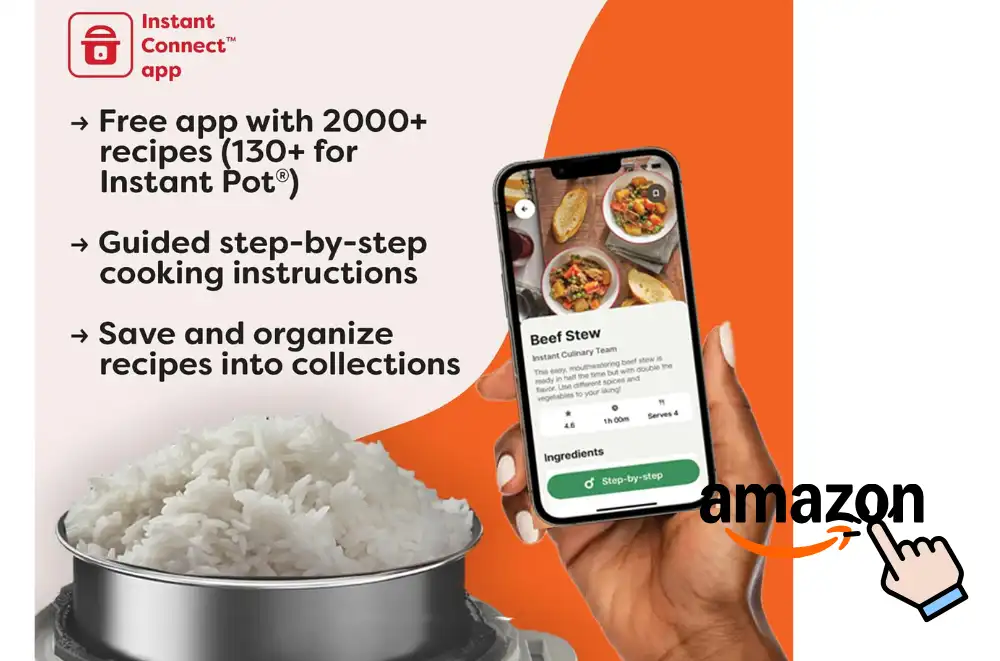
The Instant Pot has many preset cooking programs. These include options for rice, soup, yogurt, and slow cooking. It also has a manual pressure cook mode for custom settings.
Users can control temperature and time precisely. This flexibility helps cook a wide variety of meals. The Instant Pot also switches automatically to warm mode after cooking.
Pressure Cooker Cooking Functions
Traditional pressure cookers focus on one main function: pressure cooking. They cook food quickly by trapping steam inside. The pressure level usually has low and high settings.
There are no preset programs or timers. This means more hands-on control but less convenience. The cook must watch the time and heat closely.
Comparing Flexibility And Ease Of Use
The Instant Pot offers more cooking options in one device. It suits cooks who want convenience and versatility. The pressure cooker is simpler but requires more attention.
Both can make delicious meals fast. The choice depends on how much control and variety you want in cooking.

Ease Of Use
Ease of use matters a lot in the kitchen. People want tools that save time and effort. Both Instant Pots and traditional pressure cookers serve this purpose. Yet, they differ in how simple they are to operate.
Instant Pot: User-friendly Controls
The Instant Pot has digital buttons and a screen. You can pick cooking modes with one touch. It shows cooking time and progress clearly. This helps beginners cook without guessing.
Preset programs do the work for you. They adjust time and pressure automatically. No need to watch or adjust during cooking. Just press start and relax.
Pressure Cooker: Manual Operation
Traditional pressure cookers use a stove and manual controls. You must watch the heat and time closely. Steam release requires careful handling. Experience helps to avoid mistakes.
Cooking depends on your judgment. There are no preset options. This can feel tricky for new cooks. It needs more attention and practice.
Instant Pots have removable parts that fit in dishwashers. Cleaning is quick and easy. The sealed lid has safety locks to prevent accidents.
Pressure cookers have fewer parts but need careful cleaning. The gasket and valves must be checked often. Proper care keeps them safe to use.

Cleaning And Maintenance
Cleaning and maintenance play a key role in the life of any kitchen appliance. Both Instant Pots and traditional pressure cookers need care to keep working well. Proper cleaning stops food buildup and odors. Maintenance ensures safety and extends the device’s lifespan.
Knowing the cleaning steps helps keep your appliance safe and ready to use. Some parts need regular washing, while others require occasional checks. Understanding these differences makes the process easier.
Cleaning The Instant Pot
Most Instant Pot parts are dishwasher safe. The inner pot, lid, and sealing ring can go in the dishwasher. The sealing ring needs to be cleaned well to avoid smells. Remove and wash it with warm, soapy water after every use. The lid has small parts; clean them carefully with a soft brush. Wipe the outer body with a damp cloth. Never immerse the base in water.
Cleaning The Traditional Pressure Cooker
Pressure cookers have fewer parts to clean. The pot and lid are usually dishwasher safe. The rubber gasket or sealing ring must be cleaned after every use. Wash it with warm water and mild soap. Check the valve and vent pipe for blockages. Use a thin brush or pipe cleaner to clear debris. Wipe the exterior with a moist cloth to remove stains.
Maintenance Tips For Instant Pot
Regularly check the sealing ring for cracks or damage. Replace it every 12 to 18 months for best results. Inspect the steam release valve to ensure it moves freely. Clean the condensation collector after each use. Store the Instant Pot with the lid upside down to keep air flowing. This prevents odors and mold growth inside.
Maintenance Tips For Pressure Cooker
Examine the gasket for wear and tear. Replace it if it becomes stiff or cracked. Test the safety valve to make sure it functions properly. Lubricate the gasket lightly with cooking oil to keep it soft. Store the cooker with the lid off or loosely placed. This stops moisture buildup and keeps parts dry.
Price And Value
Price and value matter a lot when choosing kitchen tools. Both Instant Pots and pressure cookers save time. But their costs and benefits differ. Understanding these helps pick the right one for your needs.
Think about how often you cook and what features you want. This affects what offers the best value for your money.
Cost Comparison
Pressure cookers usually cost less than Instant Pots. Basic models start at a low price. Instant Pots often have a higher price due to extra features. The price range varies widely for both options. You can find budget-friendly and premium models.
Features And Functions
Instant Pots have many built-in programs. They can slow cook, steam, and make yogurt. Pressure cookers focus mostly on cooking under pressure. More features can mean better value if you use them. But extra functions may not be useful for everyone.
Durability And Warranty
Pressure cookers are simple and sturdy. They last many years with proper care. Instant Pots have electronic parts that need careful use. Warranties vary but usually cover one to three years. Consider durability and warranty for long-term value.
Energy And Time Savings
Both cook food faster than traditional methods. This saves energy and reduces cooking time. Instant Pots may save more time with preset programs. Pressure cookers still offer great energy efficiency. Faster meals mean better value in daily use.
Which One Suits Your Needs
Choosing between an Instant Pot and a traditional pressure cooker depends on your daily cooking needs. Both appliances save time and energy by cooking food quickly under pressure. Understanding their differences helps pick the best fit for your kitchen.
Ease Of Use And Convenience
Instant Pots offer multiple cooking modes beyond pressure cooking. They have preset buttons for rice, yogurt, slow cook, and more. This makes cooking simple for beginners and busy people. Traditional pressure cookers need manual control and more attention. You must watch the heat and time carefully.
Cooking Speed And Efficiency
Both cook food faster than regular pots. Instant Pots heat up quickly and keep pressure steady. Traditional pressure cookers also cook fast but require more skill to maintain correct pressure. Instant Pots reduce guesswork with automatic settings.
Instant Pots come with built-in safety systems like lid locks and pressure release valves. These features prevent accidents and make cooking safer. Traditional pressure cookers depend on the user for safety checks. They need careful handling to avoid risks.
Instant Pots have removable, dishwasher-safe parts. This makes cleanup easier. Traditional pressure cookers are usually simpler but can be harder to clean if food sticks. Both require regular care to keep seals and valves working well.
Price And Budget
Traditional pressure cookers cost less upfront. They are good for basic pressure cooking tasks. Instant Pots are more expensive but offer more functions. Consider what features matter most before buying.
FAQ: Instant Pot Vs Pressure Cooker
What Is The Main Difference Between Instant Pot And Pressure Cooker?
Instant Pot is an electric multi-cooker with many functions. Pressure cooker is a simple stove-top device for fast cooking.
Can Instant Pot Replace A Traditional Pressure Cooker?
Yes, Instant Pot can replace many functions of a pressure cooker and more, like slow cooking and yogurt making.
Is Cooking Time Faster In Instant Pot Or Pressure Cooker?
Both cook food quickly under pressure, but Instant Pot offers precise timing and control.
Are Instant Pots Safer Than Traditional Pressure Cookers?
Instant Pots have built-in safety features, making them generally safer than old-style pressure cookers.
Which Is Easier To Clean, Instant Pot Or Pressure Cooker?
Instant Pot parts are often dishwasher safe, making cleaning easier than some traditional pressure cookers.
Conclusion
Choosing between an Instant Pot and a pressure cooker depends on your needs. Instant Pots offer many cooking options in one device. Traditional pressure cookers are simple and often cost less. Both cook food quickly and save energy. Think about what features matter most to you.
Space, budget, and cooking style all play a role. Either way, both tools help you prepare meals faster. Enjoy cooking with the appliance that fits your kitchen best.