

Have you ever wondered if spring water is really better than purified water? With so many options on the shelf, it can be confusing to choose what’s best for your health and taste buds.
You want water that not only quenches your thirst but also supports your body. What if the water you pick could make a real difference? Keep reading to discover the surprising facts about spring water and purified water—so you can make the smartest choice for your daily hydration.
Table of Contents
Spring Water Sources
Spring water comes from natural underground sources. Rainwater seeps into the ground and collects in aquifers. These aquifers are layers of rock or sand that hold water.
When the water finds a path to the surface, it flows out as a spring. This water often passes through minerals and rocks, which can add natural minerals to it.
Natural Underground Aquifers
Aquifers are underground layers that store water. They act like natural filters. Water moves slowly through these layers, which helps clean it.
The quality of spring water depends on the aquifer’s location and composition.
Surface Springs
Surface springs appear where underground water meets the earth’s surface. They often flow from hills or mountains. The water is usually cool and fresh.
Surface springs provide water that is often clean and naturally filtered.
Protected Source Areas
Many spring water sources are in protected areas. These zones limit human activity to keep water clean. This protection helps prevent pollution and contamination.
Protected areas ensure spring water maintains its natural purity.
Purified Water Production
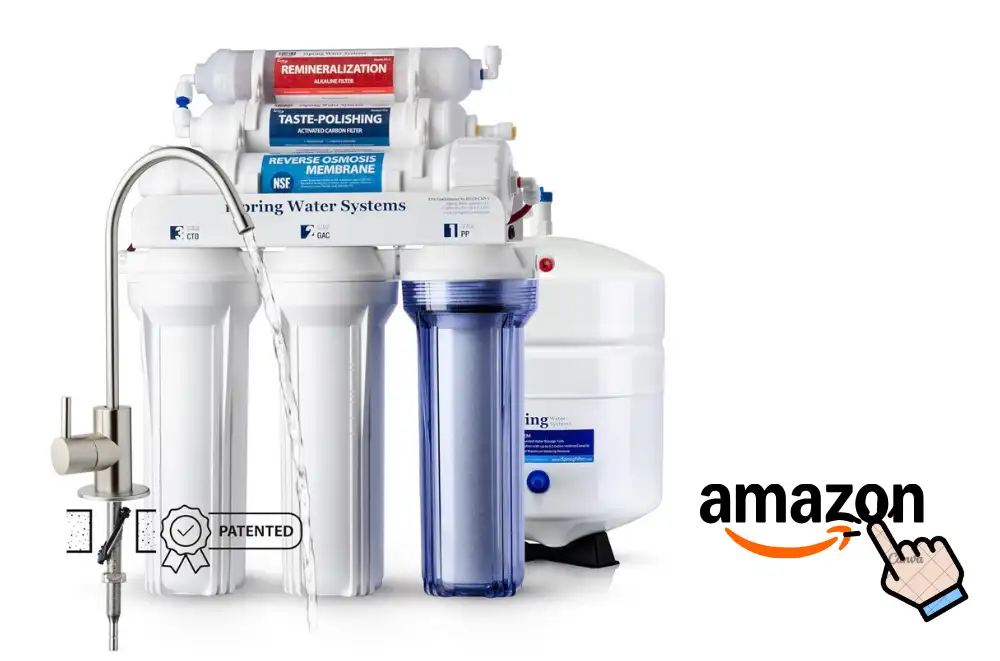
Purified water is made through a careful cleaning process. It removes many impurities and chemicals from the water. This makes the water safe and clear. People often choose purified water for its purity and taste.
Different methods can purify water. Each method focuses on removing specific particles or contaminants. The goal is to provide water that is clean and healthy to drink.
Filtration Methods
Filtration is a common way to purify water. It uses filters to catch dirt, sand, and other particles. Some filters also remove bacteria and viruses. Filters can be made from charcoal, ceramic, or other materials.
Distillation Process
Distillation heats water until it turns into steam. The steam leaves behind impurities. Then, the steam cools and turns back into clean water. This method removes most minerals and chemicals.
Reverse Osmosis
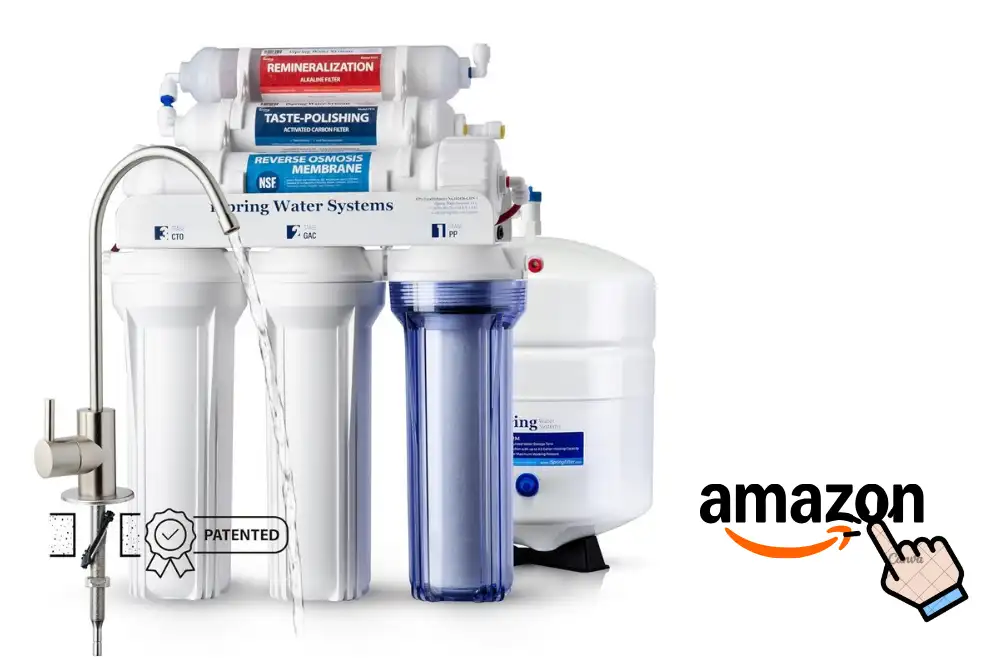
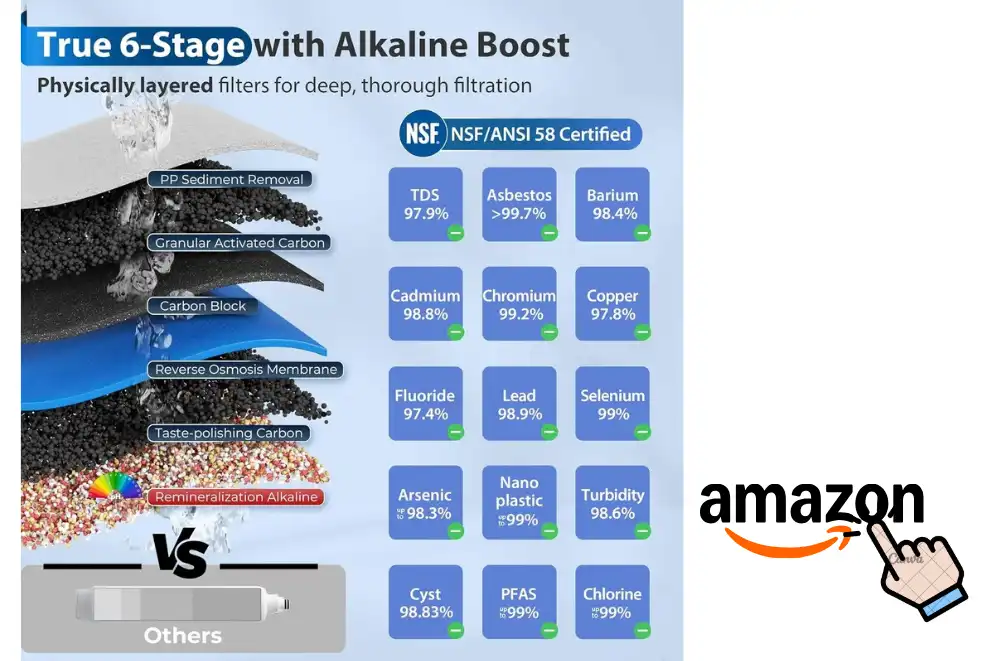
Reverse osmosis forces water through a special membrane. This membrane blocks many impurities. It removes salts, bacteria, and other harmful substances. This process is very effective for purifying water.
Mineral Content Comparison
Mineral content plays a big role in choosing between spring water and purified water. Minerals give water taste and health benefits. Understanding how minerals differ helps you decide which water suits you best.
Minerals Found In Spring Water
Spring water comes from natural sources underground. It contains minerals like calcium, magnesium, and potassium. These minerals come from rocks and soil. They add a fresh, natural taste to the water. Some minerals also support bone and heart health.
Mineral Content In Purified Water
Purified water goes through filtration processes. These processes remove most minerals and impurities. The result is very clean water with little to no minerals. Some brands add minerals back for taste. But generally, purified water has fewer minerals than spring water.
Health Effects Of Minerals In Water
Minerals in water can help keep your body strong. Calcium and magnesium support bones and muscles. Drinking water with minerals adds a small boost to your daily intake. Purified water lacks these minerals, so it offers less nutritional value. Choosing mineral-rich water can benefit your health over time.
Health Benefits Of Spring Water
Spring water offers many health benefits that make it a popular choice. It comes from natural sources underground and contains minerals that can support your body. Many people prefer spring water for its purity and natural taste.
Unlike purified water, spring water keeps essential minerals intact. These minerals help keep your body balanced and hydrated. Drinking spring water can feel fresher and more satisfying.
Rich In Natural Minerals
Spring water contains minerals like calcium, magnesium, and potassium. These minerals help build strong bones and keep your heart healthy. They also support muscle function and keep your nerves working well.
Supports Better Hydration
The minerals in spring water help your body absorb water faster. This means you stay hydrated longer and feel more energized. Proper hydration improves focus and helps your skin stay clear.
Free From Harmful Chemicals
Spring water usually has fewer chemicals than tap water. It does not go through harsh treatments that remove good minerals. This natural purity reduces the risk of ingesting unwanted substances.
May Aid Digestion
Some minerals in spring water can improve digestion. They help balance stomach acids and support gut health. Drinking spring water might ease stomach discomfort after meals.
Health Benefits Of Purified Water
Purified water offers many health benefits that make it a safe choice for drinking. It goes through a process that removes harmful substances and impurities. This helps protect your body from unwanted chemicals and germs.
Drinking purified water supports good digestion and helps keep your organs working well. It also reduces the risk of waterborne illnesses, which can cause stomach problems. Clean water means fewer chances of infections and better overall health.
Safety From Contaminants
Purified water is free from bacteria, viruses, and harmful chemicals. This makes it safer than untreated water sources. Removing these contaminants helps prevent sickness and promotes good health.
Better Taste And Smell
Purified water often tastes cleaner and fresher. Removing chlorine and other substances improves its flavor. This makes it easier to drink more water daily, which benefits your body.
Supports Hydration
Because it tastes good and is clean, purified water encourages regular drinking. Staying hydrated helps your skin, brain, and muscles work well. It also aids in removing waste from the body.
Free From Heavy Metals
Heavy metals like lead and mercury can harm your health. Purified water filtration removes these metals. Drinking such water lowers the risk of long-term health problems.

Taste Differences
Spring water often has a fresh, natural taste due to minerals found in nature. Purified water tastes cleaner but can be flat since minerals are removed. Differences come from how each type is processed and its source.
Taste Profile Of Spring Water
Spring water often has a fresh and clean taste. It comes from natural sources and contains minerals. These minerals can add a subtle flavor. Some people describe spring water as slightly sweet or crisp. The taste can change depending on the source. This natural variation makes spring water interesting to drink.
Taste Profile Of Purified Water
Purified water is treated to remove impurities and minerals. This process gives it a very neutral taste. Some people say purified water tastes flat or bland. Without minerals, it lacks the flavor spring water has. The taste remains consistent across different brands. This makes purified water a safe, plain option.
How Minerals Affect Flavor
Minerals like calcium and magnesium shape water’s flavor. Spring water has more of these minerals. They give a slight taste and mouthfeel. Purified water has fewer minerals, so it tastes cleaner but less flavorful. The presence or absence of minerals changes the drinking experience.

Safety And Contaminants
Safety and contaminants are key factors in choosing water for daily use. Both spring water and purified water go through processes to ensure they are safe to drink. Understanding these processes helps decide which type suits you best.
Spring Water Safety Standards
Spring water comes from natural sources like underground springs. It must meet strict government rules before sale. These rules check for harmful bacteria and chemicals. Testing happens regularly to keep water clean. Natural minerals stay in spring water, giving it a unique taste.
Purified Water Safety Measures
Purified water undergoes extensive cleaning. Filters, UV light, or chemicals remove almost all impurities. This process removes bacteria, viruses, and chemicals. Purified water is often safer in areas with poor water quality. It has very low mineral content, making it taste neutral.
Contaminant Risks In Spring Water
Spring water can sometimes have natural contaminants. These include minerals or small amounts of bacteria. Contamination may happen if the source is near pollution. Proper testing reduces these risks. But some minerals may still vary in amount.
Contaminant Risks In Purified Water
Purified water usually has fewer contaminants. The cleaning process removes most harmful substances. However, if equipment fails, some impurities might remain. Regular checks ensure high purity. Purified water is often preferred for medical or lab use.
Environmental Impact
Understanding the environmental impact of spring water versus purified water helps us make better choices. Both types of water have effects on nature and resources. Knowing these effects can guide us to more eco-friendly options.
Bottling, transporting, and processing water all use energy and materials. These steps can harm the planet in different ways.
Environmental Cost Of Bottling
Spring water usually comes in plastic bottles. These bottles often use more plastic due to branding and design. More plastic means more waste and pollution if not recycled properly.
Purified water also uses plastic bottles, but some brands focus on lighter bottles. Lighter bottles reduce plastic use and lower shipping emissions.
Energy Use In Water Processing
Purified water requires energy for filtration and purification. These processes can use electricity and chemicals. This energy use can increase carbon emissions.
Spring water often needs less processing. It is bottled closer to the source. This can mean lower energy use in production.
Impact On Natural Resources
Spring water comes directly from natural springs. Over-extraction can harm local ecosystems and reduce water for wildlife. It can also affect nearby communities.
Purified water usually starts as tap water. This means less impact on natural springs. It depends more on public water supplies.
Transportation Footprint
Spring water is often bottled far from where it is sold. Shipping heavy bottles long distances increases fuel use and emissions.
Purified water is sometimes bottled locally. This can lower transportation emissions and reduce environmental harm.
Choosing The Right Water
Choosing the right water matters for your health and taste. Different types of water offer unique benefits. Understanding these can help you pick what suits your needs best.
Both spring water and purified water have their uses. Knowing their differences makes choosing easier. Let’s explore key points to consider.
What Is Spring Water?
Spring water comes from natural sources underground. It often contains minerals that add flavor. This water is usually bottled at the source.
Many enjoy spring water for its fresh taste. It may contain natural minerals like calcium and magnesium. These minerals can support health in small amounts.
What Is Purified Water?
Purified water is treated to remove impurities. It goes through processes like filtration and distillation. This results in very clean and clear water.
Purified water lacks minerals found in natural sources. Some people prefer it for its neutral taste. It is often used in medical and laboratory settings.
Factors To Consider When Choosing Water
Think about taste preferences first. Some like mineral flavors; others want no taste at all. Consider your daily water needs and health goals.
Check the source and treatment of the water. Cleanliness and safety are important for all water types. Packaging and storage also affect water quality.
Health Benefits And Concerns
Spring water offers minerals that can benefit the body. Purified water removes harmful chemicals and bacteria effectively. Both types are safe if properly handled.
People with certain health conditions might prefer purified water. Others may choose spring water for natural minerals. Consult health advice if unsure about your choice.
FAQ: Is Spring Water Better Than Purified Water
What Is The Main Difference Between Spring Water And Purified Water?
Spring water comes from natural underground sources and contains minerals. Purified water is treated to remove impurities and minerals.
Is Spring Water Healthier Than Purified Water For Daily Drinking?
Spring water has natural minerals that may benefit health. Purified water is clean but lacks minerals.
How Does Purified Water Get Cleaned Compared To Spring Water?
Purified water undergoes processes like filtration, distillation, or reverse osmosis. Spring water is filtered naturally through rocks and soil.
Can Spring Water Contain Harmful Bacteria Or Contaminants?
Yes, spring water can sometimes have bacteria if not properly tested. Purified water is usually safer due to thorough cleaning.
Does The Taste Of Spring Water Differ From Purified Water?
Spring water often tastes fresher and has minerals that add flavor. Purified water has a neutral taste without minerals.
Conclusion
Both spring water and purified water offer clean drinking options. Spring water comes with natural minerals that some people like. Purified water goes through extra cleaning to remove almost everything. Choosing depends on your taste and health needs. Think about what feels best for your body.
Staying hydrated is the most important part. Drink water that you enjoy and trust. Your health benefits from clean, safe water every day. Simple and clear choices help you stay healthy.