
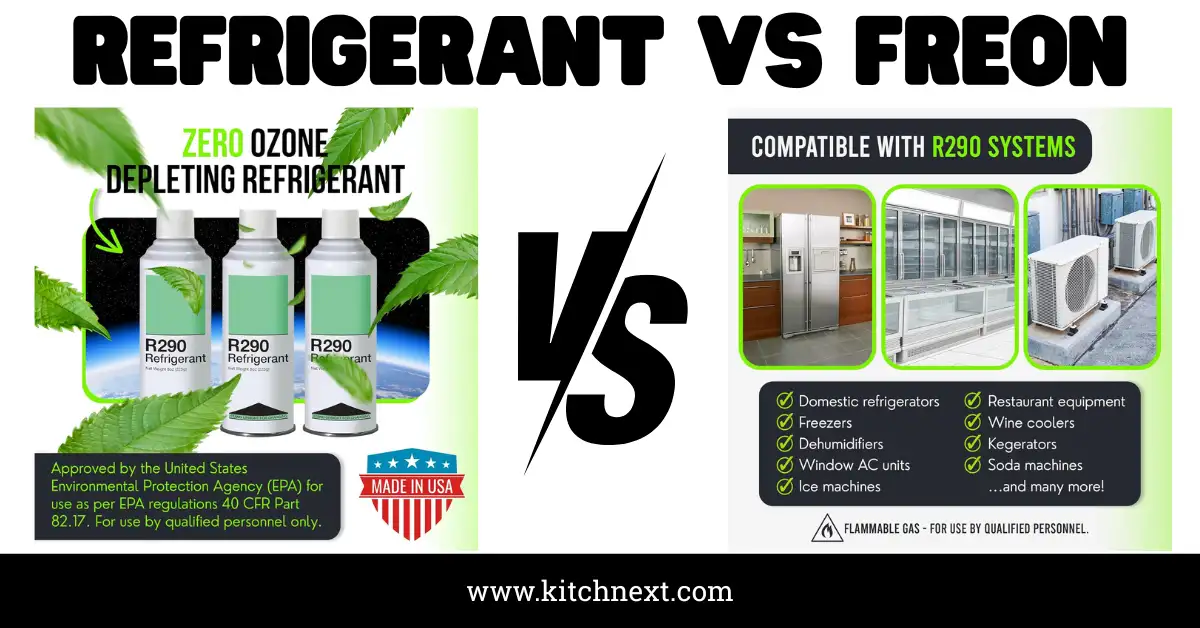
When it comes to keeping your home or office cool, you’ve probably heard the terms “refrigerant” and “Freon” thrown around. But do you really know what sets them apart?
Understanding the difference can save you money, improve your system’s efficiency, and even protect the environment. If you want to make smart choices for your cooling needs, this article will clear up the confusion and give you the facts you need.
Keep reading to discover how refrigerant and Freon impact your air conditioning system and why this knowledge matters to you.
Table of Contents
What Is Refrigerant
Understanding what refrigerant is can change how you view your air conditioner or refrigerator. It’s the key player that makes cooling possible, but many people confuse it with Freon. Let’s clear that up by first focusing on what refrigerant really is.
What Is Refrigerant?
Refrigerant is a substance used in cooling systems to absorb and release heat. It moves inside the coils of your air conditioner or fridge, taking heat from inside and releasing it outside. This process keeps your home or food cool.
Most refrigerants are gases or liquids that can easily change from one state to another. This ability to switch between gas and liquid is what helps transfer heat efficiently. Without refrigerants, your cooling devices wouldn’t work at all.
Types Of Refrigerants
There are several types of refrigerants, each with different chemicals. Some common ones include R-134a, R-410A, and R-22. Each type has its own properties and environmental impact.
- R-134a: Often used in car air conditioners and refrigerators.
- R-410A: Found in newer home air conditioning units, known for better efficiency.
- R-22: Older refrigerant that is being phased out due to environmental concerns.
Knowing which refrigerant your system uses helps you maintain it better and choose eco-friendlier options.
Why Refrigerant Matters To You
Have you ever wondered why your air conditioner suddenly stops cooling? It might be low on refrigerant. Unlike fuel in a car, refrigerant doesn’t get used up but can leak over time.
Maintaining the right refrigerant level keeps your system running smoothly and saves energy. It also prevents damage that could lead to expensive repairs. You can ask a technician to check your refrigerant if cooling isn’t effective.
Refrigerant Vs Freon: Clearing The Confusion
Many people use the word “Freon” interchangeably with refrigerant, but they’re not exactly the same. Freon is actually a brand name for a type of refrigerant, mainly R-12 and R-22.
Freon became popular because it was safe and effective for many years. However, newer refrigerants have replaced Freon in many systems due to environmental laws. So, when someone says Freon, they usually mean a specific kind of refrigerant, not all refrigerants in general.
What Is Freon
Freon is a brand name for certain refrigerants used in cooling systems. Refrigerants are chemicals that absorb heat, and Freon is one type among many. Understanding the difference helps in choosing the right cooling method.
What Is Freon?
Freon is a brand name for a group of chemicals used in cooling systems.
These chemicals help air conditioners, refrigerators, and freezers work.
Freon is a type of refrigerant, a substance that moves heat from one place to another.
It changes from gas to liquid and back, absorbing heat inside machines.
Types Of Freon
Freon includes several chemical compounds, mainly chlorofluorocarbons (CFCs) and hydrochlorofluorocarbons (HCFCs).
One common type is R-22, used in older air conditioners.
Another is R-12, once popular in refrigerators and cars.
These types help cool air but can harm the environment.
Why Freon Is Important
Freon allows machines to cool spaces efficiently.
It absorbs heat inside the system and releases it outside.
This process keeps homes and food cold and comfortable.
Environmental Impact Of Freon
Freon chemicals can damage the ozone layer in the atmosphere.
This layer protects Earth from harmful ultraviolet rays.
Due to this, many types of Freon are now being phased out worldwide.
New, safer refrigerants are replacing traditional Freon in many systems.
Chemical Composition Differences
Refrigerants include many different chemicals used to cool air or liquids. Freon is a brand name for certain types of refrigerants with specific chemical makeup. Their differences affect how they work and their environmental impact.
Chemical Structure Of Refrigerants
Refrigerants are substances used in cooling systems. They absorb and release heat efficiently. Their chemical makeup varies widely. Common refrigerants include HFCs, HCFCs, and natural compounds. These contain elements like hydrogen, fluorine, chlorine, and carbon. The mix of these elements defines their properties and environmental impact.
What Is Freon?
Freon is a brand name for certain types of refrigerants. It mainly refers to chlorofluorocarbons (CFCs) and hydrochlorofluorocarbons (HCFCs). These contain chlorine, fluorine, carbon, and hydrogen atoms. The chlorine in Freon affects the ozone layer negatively. Freon was popular before more eco-friendly refrigerants appeared.
Differences In Environmental Impact
Refrigerants without chlorine are less harmful to the ozone layer. Modern refrigerants often avoid chlorine to reduce damage. Freon’s chlorine content causes ozone depletion. This led to restrictions and phase-outs worldwide. New refrigerants focus on lower global warming potential too.
Environmental Impact
Refrigerants and Freon both affect the environment, but in different ways. Understanding their impact helps make better choices for cooling systems. Some chemicals harm the ozone layer. Others add to global warming. Knowing these differences is important for protecting the planet.
Ozone Layer Depletion
Freon contains chemicals called CFCs. These CFCs damage the ozone layer. The ozone layer protects Earth from harmful UV rays. When Freon leaks, it releases CFCs into the air. This causes holes in the ozone layer. Refrigerants today mostly avoid CFCs. They use safer alternatives to reduce harm.
Global Warming Potential
Refrigerants differ in their global warming potential (GWP). GWP measures how much heat a gas traps. Some older refrigerants have high GWP. This means they contribute more to climate change. New refrigerants have lower GWP. This helps reduce their impact on the planet’s temperature.
Regulations And Safety
Many countries regulate Freon and refrigerants. Freon is being phased out due to its risks. New refrigerants must meet strict environmental standards. These rules help reduce pollution and protect health. Using approved refrigerants supports a safer environment.

Usage In Cooling Systems
Cooling systems rely on substances that absorb and release heat to maintain low temperatures. Refrigerants and Freon both serve this purpose but differ in their types and uses. Understanding their roles helps in choosing the right option for various cooling needs.
These substances circulate inside air conditioners, refrigerators, and heat pumps. They change from liquid to gas and back, carrying heat away from the space to be cooled.
Refrigerant Types Used In Cooling Systems
Refrigerants come in several types, including natural and synthetic kinds. Common types include HFCs, HCFCs, and newer blends designed to protect the environment. Each type suits different cooling equipment and efficiency standards.
Freon’s Specific Role In Cooling
Freon is a brand name for certain refrigerants made by DuPont. It mainly refers to chlorofluorocarbon (CFC) and hydrochlorofluorocarbon (HCFC) compounds. These were widely used in older cooling systems before environmental concerns limited their use.
Modern Usage Trends Of Refrigerants And Freon
New cooling systems prefer eco-friendly refrigerants with low ozone depletion potential. Freon types are now less common due to environmental laws. Technicians often replace older Freon with newer refrigerants during system upgrades.
Safety Considerations
Safety matters a lot when dealing with refrigerants and Freon. Both are chemicals used in cooling systems, but they have different risks and handling needs. Understanding these risks helps prevent accidents and protects health.
Proper use and storage reduce dangers. Knowing how each substance reacts is key to safe handling.
Understanding Chemical Properties
Refrigerants come in many types, each with unique traits. Some are flammable, others toxic. Freon is a brand name for certain refrigerants, mainly chlorofluorocarbons (CFCs) and hydrochlorofluorocarbons (HCFCs). These can harm the ozone layer.
Knowing these properties guides safety steps. Always check labels for warnings and follow instructions carefully.
Health Risks And Exposure
Breathing in refrigerant gases can cause dizziness, headaches, or worse. Direct skin contact may cause frostbite or burns. Freon exposure sometimes leads to heart irregularities or lung problems.
Work in well-ventilated areas. Use protective gear like gloves and masks to reduce risk.
Handling And Storage Tips
Store refrigerants in cool, dry places away from heat and flames. Use containers designed for these chemicals. Never mix different refrigerants, as reactions may be dangerous.
Dispose of old or unused refrigerants properly. Follow local laws and guidelines to avoid environmental harm.
Cost And Availability
Cost and availability play a big role in choosing between refrigerant and Freon. Both substances serve similar purposes but differ in price and how easy they are to find. Understanding these differences helps people pick the best option for their needs.
Cost Of Refrigerant
Refrigerants vary in price depending on type and brand. Newer refrigerants tend to cost more due to better environmental standards. Prices can also change based on supply and demand in the market. Buying in bulk often lowers the price for large projects.
Cost Of Freon
Freon is usually cheaper than modern refrigerants. It is an older brand name for certain refrigerants, which makes it more common. Some types of Freon are being phased out, which can raise prices. Lower cost attracts users with tight budgets.
Availability Of Refrigerant
Refrigerants are widely available at HVAC supply stores and online. New refrigerants follow strict regulations but still remain accessible. Availability depends on local laws that control which refrigerants can be sold. Some may require special licenses to purchase.
Availability Of Freon
Freon is less available due to environmental laws. Many types have been banned or restricted in many countries. This makes finding Freon harder than before. Users must check local rules before buying Freon products.
FAQ: Refrigerant Vs Freon
What Is The Difference Between Refrigerant And Freon?
Refrigerant is a general term for cooling fluids. Freon is a brand name of specific refrigerants.
Can Freon Be Used In All Cooling Systems?
No, Freon fits only certain systems designed for its type and pressure.
Are All Refrigerants Safe For The Environment?
No, some refrigerants harm the ozone layer and increase global warming.
Why Is Freon Still Popular In Older Air Conditioners?
Older systems were built for Freon, making it easier and cheaper to use.
How Do Refrigerants Impact Air Conditioner Efficiency?
The right refrigerant improves cooling and saves energy by working well with the system.
Conclusion
Refrigerants and Freon serve similar roles but differ in type and use. Freon is a brand name often linked to older refrigerants. New refrigerants focus more on being eco-friendly and safe. Choosing the right one matters for your appliance and environment.
Understanding these differences helps you make better decisions. Keep this knowledge in mind for future cooling needs. Simple and clear—now you know what sets them apart.