
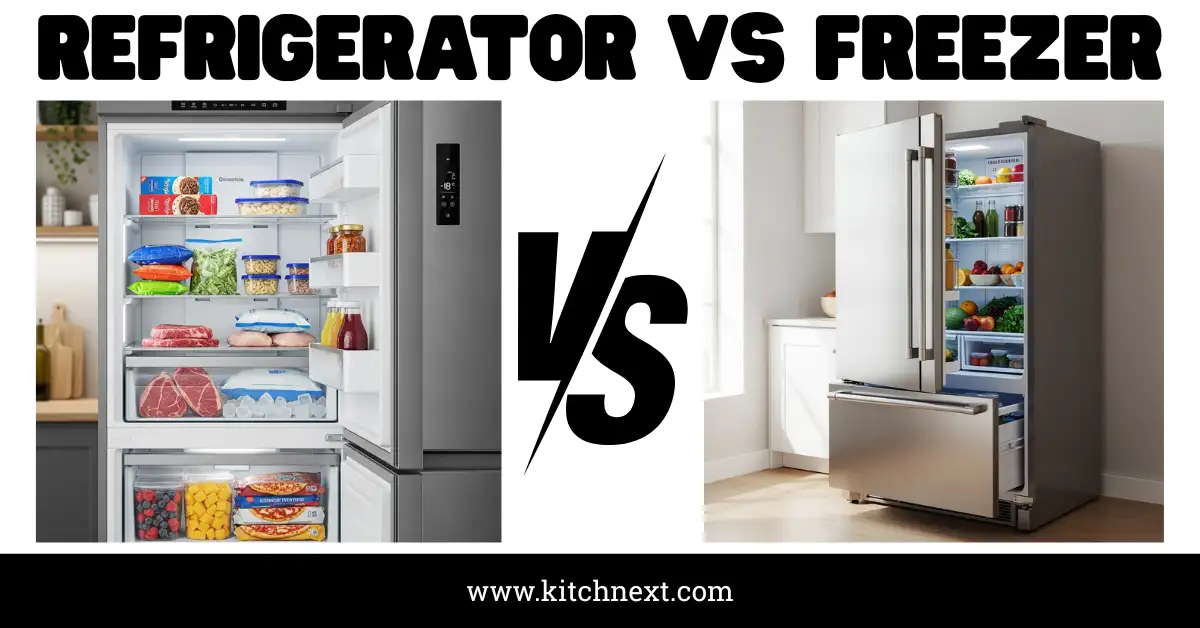
Are you confused about whether you need a refrigerator or a freezer? Both play key roles in keeping your food fresh, but they work in very different ways.
Understanding these differences can save you time, money, and even reduce food waste. You’ll discover which appliance suits your lifestyle best and how to get the most out of each. Keep reading—your kitchen and your wallet will thank you.
Table of Contents
Key Differences
Refrigerators and freezers both store food but serve different purposes. Understanding their key differences helps in choosing the right appliance. Each one works with different temperatures and functions.
Below are the main differences that separate refrigerators from freezers.
Temperature Settings
Refrigerators keep food cool between 35°F and 40°F. This temperature slows down bacteria growth. Freezers keep food frozen at 0°F or below. Freezing stops bacteria and keeps food fresh longer.
Purpose And Usage
Refrigerators store food for short-term use. Fruits, vegetables, dairy, and leftovers go here. Freezers store food for long periods. Meat, ice cream, and frozen meals are stored frozen.
Energy Consumption
Freezers use more energy than refrigerators. They need to maintain much colder temperatures. Refrigerators use less power to keep cool but not frozen.
Design And Compartments
Refrigerators have shelves and drawers for easy access. Freezers often have baskets or bins to organize frozen goods. Some appliances combine both in one unit.
Defrosting Needs
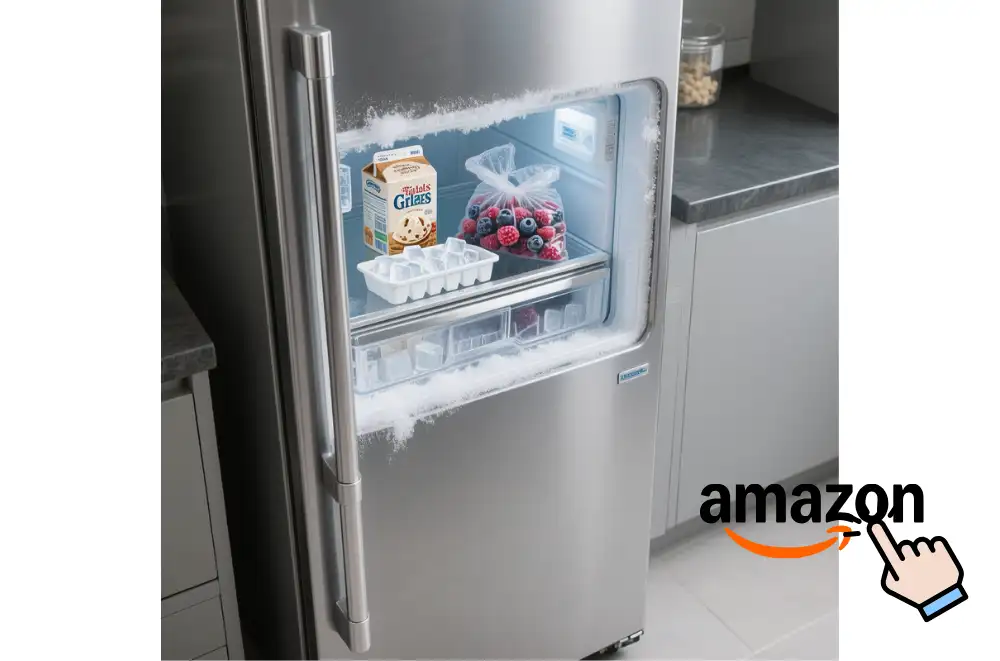
Many refrigerators have automatic defrost features. Freezers may require manual defrosting to remove ice buildup. Newer freezers often include frost-free technology.
Types And Styles
Refrigerators and freezers come in many types and styles. Each design suits different needs and spaces. Understanding these options helps choose the right appliance for your home or business.
Both refrigerators and freezers vary by size, shape, and features. Some focus on storage capacity. Others prioritize energy efficiency or special compartments. Knowing these differences saves time and money.
Types Of Refrigerators
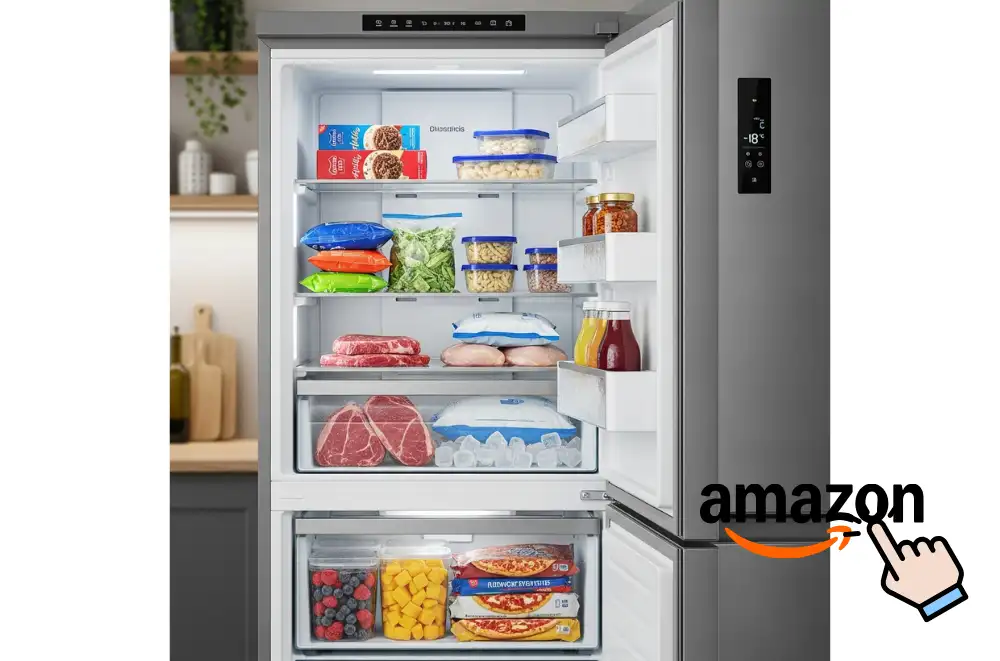
Top freezer models are classic and affordable. They have the freezer compartment above the fridge section. Bottom freezer refrigerators place the freezer below, making fresh food easier to reach.
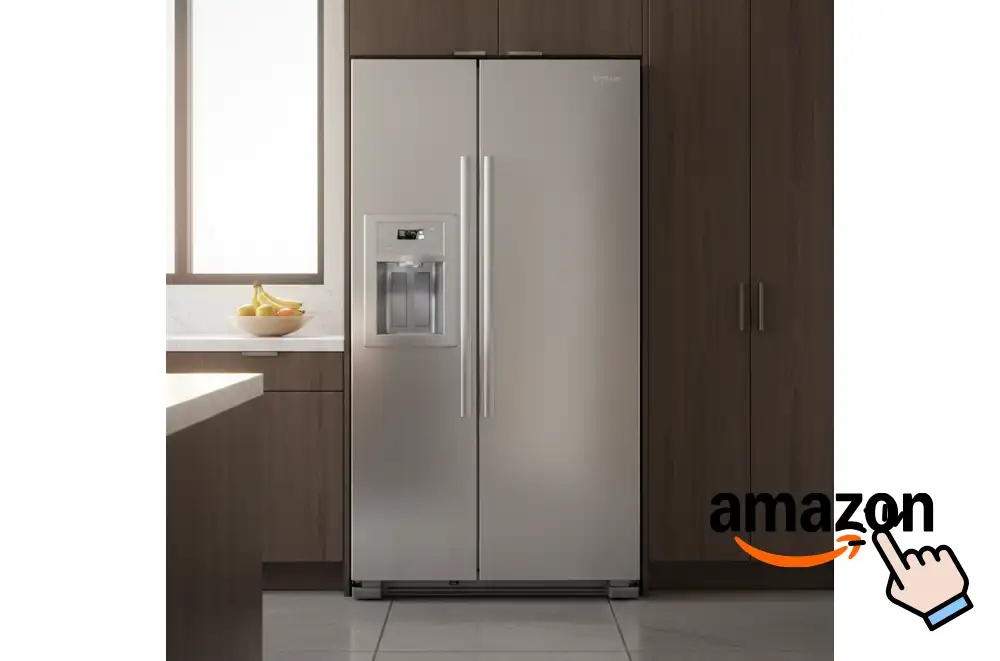
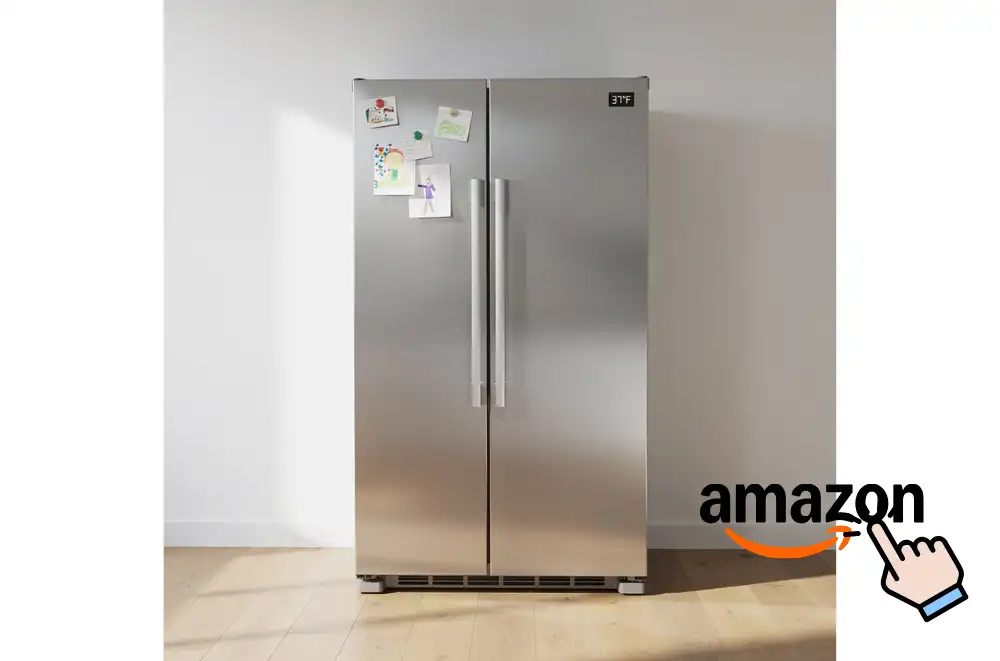
Side-by-side refrigerators split the fridge and freezer vertically. They offer easy access to both sections. French door refrigerators have two doors on top and a freezer drawer below. This style maximizes space and adds a modern look.
Styles Of Freezers
Chest freezers open from the top and offer large storage space. They are energy efficient and good for bulk food storage. Upright freezers look like refrigerators and open from the front. They fit better in smaller spaces and allow organized shelving.
Portable freezers provide convenience for travel or temporary use. These come in small sizes and can run on batteries or car power. Built-in freezers integrate into kitchen cabinets for a seamless look.
Capacity And Size
The capacity and size of refrigerators and freezers play a key role in choosing the right appliance. These factors affect how much food you can store and how much space the appliance will take in your kitchen. Understanding these differences helps you pick the best option for your needs.
Refrigerator Capacity And Size
Refrigerators come in many sizes, from small models to large ones. Their capacity is measured in cubic feet. Most home refrigerators range from 10 to 30 cubic feet. Larger capacity means more space for fresh food, drinks, and leftovers.
The design affects the size too. Top-freezer models are usually smaller than side-by-side or French-door refrigerators. Choose a size that fits your kitchen space and daily food needs.
Freezer Capacity And Size
Freezers focus on long-term storage. Chest freezers offer large capacity and keep food frozen longer. Upright freezers are easier to organize but may have less space.
Freezer capacity ranges widely, from 5 to over 20 cubic feet. Choose a size based on how much frozen food you store. Remember, bigger freezers take up more floor space.
Energy Efficiency
Energy efficiency is a key factor when choosing between a refrigerator and a freezer. Both appliances consume electricity but in different ways. Understanding their energy use helps save money and reduce environmental impact.
Refrigerators keep food cool, usually between 35°F and 40°F. Freezers maintain much lower temperatures, around 0°F. This difference affects how much energy each uses.
Energy Consumption Of Refrigerators
Refrigerators run continuously to keep food fresh. They cycle on and off to maintain a stable temperature. Modern models use advanced insulation and compressors. These features reduce energy use significantly.
Energy Star rated refrigerators use about 10-15% less energy. Choosing such a model can lower electricity bills. A well-maintained refrigerator also runs more efficiently.
Energy Use In Freezers
Freezers work harder to keep food frozen solid. They need more power because of the lower temperature inside. Chest freezers often use less energy than upright models. This is due to better insulation and less cold air loss.
Like refrigerators, Energy Star freezers save electricity. Keeping the freezer full helps maintain a steady temperature. Regular defrosting also improves energy performance.
Comparing Energy Efficiency
Freezers generally consume more energy than refrigerators. The colder temperature demands more electricity. The size and type of the appliance also matter. Smaller refrigerators usually use less power than large freezers.
Energy-efficient appliances reduce energy costs over time. Choosing the right size and type for your needs is important. Proper maintenance keeps both refrigerators and freezers running efficiently.
Cost Comparison
Cost plays a big role when choosing between a refrigerator and a freezer. Both appliances use electricity and need maintenance. Understanding their costs helps pick the right option for your needs.
Costs vary by size, brand, and features. Running costs also differ because refrigerators and freezers work in unique ways.
Initial Purchase Price
Refrigerators usually cost more upfront than freezers. This is because refrigerators have more parts and features. Freezers tend to be simpler and cheaper to buy. Basic freezers can cost less, but large chest freezers may be pricier.
Energy Consumption And Electricity Bills
Freezers often use less energy than refrigerators. They keep items frozen at a lower temperature but run less often. Refrigerators cycle more frequently to keep food fresh. This can raise electricity costs. Energy-efficient models help save money on bills.
Maintenance And Repair Costs
Refrigerators may need more repairs due to complex parts. Freezers have fewer components and often last longer without trouble. Regular cleaning and defrosting reduce repair chances for both. Checking seals and coils helps keep costs low.
Maintenance Tips
Proper maintenance keeps refrigerators and freezers working well for years. Regular care saves energy and prevents costly repairs. Simple steps help both appliances stay clean and efficient.
Cleaning The Interior
Remove all food before cleaning. Use a mixture of warm water and mild soap. Wipe shelves, walls, and drawers gently. Dry everything before putting food back inside. Clean spills immediately to avoid stains and smells.
Checking And Cleaning The Door Seals
Door seals keep cold air inside. Check seals for cracks or dirt. Clean seals with a soft cloth and warm water. Replace damaged seals to keep the appliance efficient. Proper sealing reduces energy use and keeps food fresh.
Defrosting The Freezer
Manual defrost freezers need regular defrosting. Ice buildup reduces cooling power. Turn off the freezer and remove food. Let ice melt naturally or use a bowl of hot water inside. Clean and dry before turning it on again.
Keeping The Coils Dust-free
Dust on coils lowers cooling efficiency. Locate coils at the back or bottom of the appliance. Use a vacuum or brush to clean coils every six months. Clean coils help save energy and improve performance.
Maintaining Proper Temperature Settings
Set refrigerators between 35°F and 38°F (2°C to 3°C). Freezers should be at 0°F (-18°C). Correct temperatures keep food safe and fresh. Use a thermometer to check settings regularly and adjust if needed.
Choosing For Your Needs
Choosing between a refrigerator and a freezer depends on your daily needs. Both store food, but they serve different purposes. Knowing what you need helps you decide the best option for your home.
Consider how often you buy fresh food and how much frozen food you keep. This will guide you to pick the right appliance.
Storage Needs
Refrigerators keep food cool and fresh for a few days. They are best for fruits, vegetables, and dairy. Freezers store food for a long time by keeping it frozen. Ideal for meat, ice cream, and leftovers.
Space Availability
Check the space where you want to place the appliance. Refrigerators come in many sizes, fitting small or large kitchens. Freezers can be upright or chest style. Choose based on how much room you have.
Energy Consumption
Freezers usually use more energy because they run colder. Modern refrigerators are designed to save electricity. Think about your energy bills when deciding which to buy.
Usage Frequency
Refrigerators open often during the day. They must keep food fresh with frequent door openings. Freezers open less often but must maintain a very cold temperature. This affects your choice depending on how you use food daily.
FAQ: Refrigerator Vs Freezer
What Is The Main Difference Between A Refrigerator And Freezer?
A refrigerator keeps food cool above freezing, while a freezer stores food below freezing.
Can A Freezer Replace A Refrigerator For Daily Use?
No, freezers are too cold for fresh food and drinks you use daily.
How Long Does Food Last In A Refrigerator Vs Freezer?
Food lasts a few days in a fridge, but months or years in a freezer.
Which Uses More Electricity, A Refrigerator Or Freezer?
Freezers usually use more electricity because they maintain much colder temperatures.
Can You Store Fruits And Vegetables In Both Appliances?
Fruits and vegetables stay fresh in a fridge; in a freezer, they last longer but may change texture.
Conclusion
Choosing between a refrigerator and a freezer depends on your needs. Refrigerators keep food fresh and drinks cold daily. Freezers store food for a longer time by freezing it. Both help reduce food waste and save money. Think about what you store most often.
Small spaces may need a combined fridge-freezer unit. Bigger families might want separate appliances for more storage. Knowing their differences helps make a smart choice. Keep your food safe and fresh with the right appliance. Simple steps lead to better kitchen habits.