
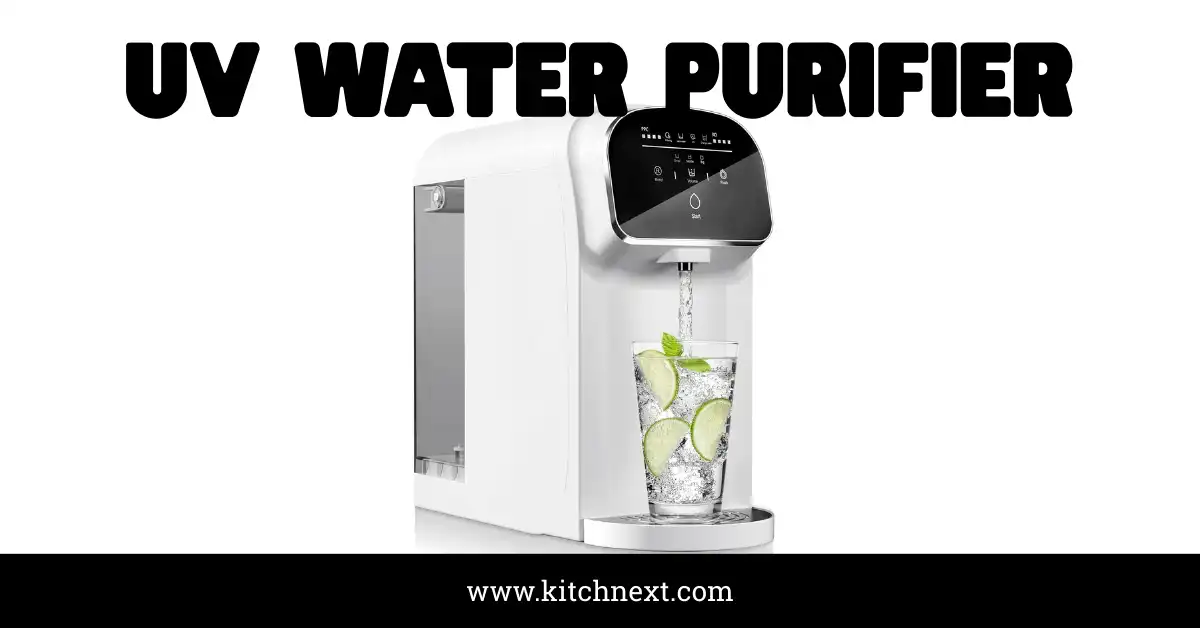
Are you worried about the quality of the water you and your family drink every day? Contaminated water can cause serious health problems, but you don’t have to rely on expensive bottled water or complicated filters.
A UV water purifier offers a simple, effective way to make your tap water safe and clean. Imagine enjoying fresh, pure water straight from your faucet—free from harmful bacteria and viruses. You’ll discover how a UV water purifier works, why it’s a smart choice for your home, and how it can give you peace of mind every time you take a sip.
Keep reading to find out how easy it is to protect your health with one small change.
Table of Contents
How Uv Water Purifiers Work
UV water purifiers clean water using ultraviolet light. This method kills germs without adding chemicals. It is safe and effective for home use.
Understanding how UV water purifiers work helps you choose the right one. The process is simple but powerful.
What Is Ultraviolet Light?
Ultraviolet light is a type of invisible light. It has more energy than visible light. This energy can damage the DNA of germs.
How Does Uv Light Kill Germs?
UV light breaks the DNA inside bacteria and viruses. Without DNA, germs cannot grow or reproduce. This stops them from causing illness.
The Role Of The Uv Lamp
The UV lamp produces the ultraviolet light. Water flows past the lamp inside a special chamber. This design ensures the water gets enough exposure to the UV light.
Water Flow And Exposure Time
Water must flow slowly for proper disinfection. The longer the water stays near the UV lamp, the better the cleaning. This ensures germs are fully neutralized.
Benefits Of Uv Water Purification
UV purifiers do not change the water’s taste or smell. They do not add chemicals or leave harmful residues. This method is eco-friendly and safe.
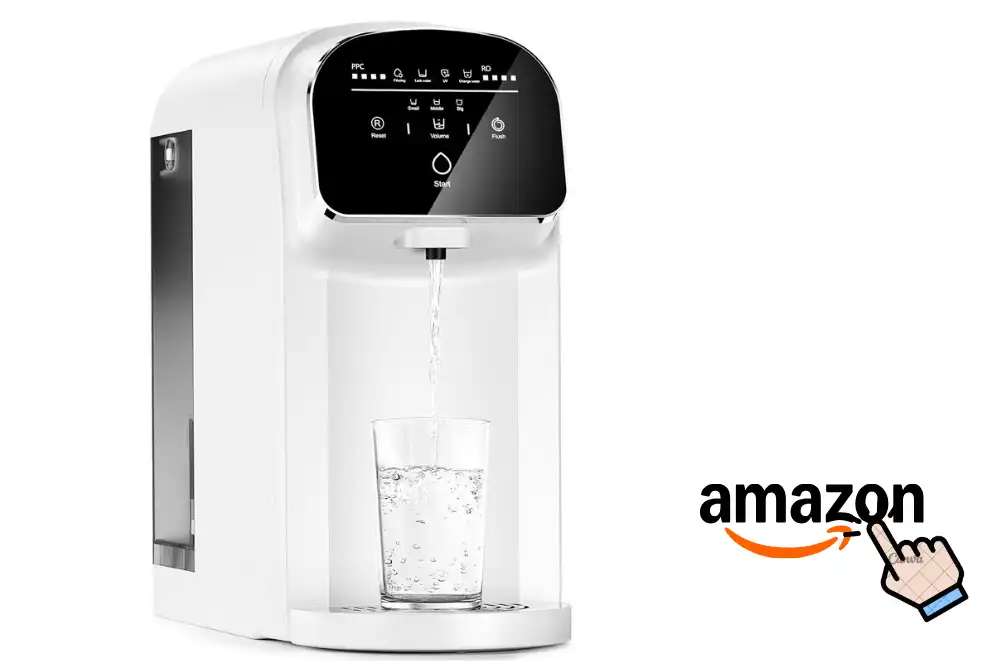
Benefits Of Uv Purification
UV purification offers a safe and effective way to clean water. It uses ultraviolet light to kill harmful germs. This process does not add chemicals or change the taste of water. UV purification works quickly and needs little maintenance.
Here are some key benefits of using a UV water purifier for your home or office.
Effective Germ Elimination
UV light destroys bacteria, viruses, and other microbes. It stops them from multiplying and causing illness. This method kills up to 99.99% of harmful pathogens. It ensures water is safe to drink without using chemicals.
No Chemicals or Byproducts
UV purification does not add any chemicals to water. It does not change water’s taste, smell, or color. There are no harmful byproducts produced during the process. This makes UV purifiers eco-friendly and safe for all users.
Fast and Easy Operation
UV purifiers work instantly to clean water. There is no need to wait for filtration or boiling. The system requires very low maintenance. It only needs periodic bulb replacement to keep working well.
Energy Efficient and Cost-Effective
UV water purifiers use little electricity to run. They consume less power compared to other purification methods. This helps save money on energy bills. The low maintenance cost also adds to overall savings.
Types Of Uv Water Purifiers
UV water purifiers use ultraviolet light to kill germs in water. They are safe and effective. Different types of UV water purifiers fit different needs and settings. Choosing the right type depends on water flow, usage, and space.
Inline Uv Water Purifiers
Inline UV water purifiers install directly into water pipes. Water flows through the purifier and gets disinfected instantly. They suit homes and small offices. These purifiers save space and work quietly.
Countertop Uv Water Purifiers
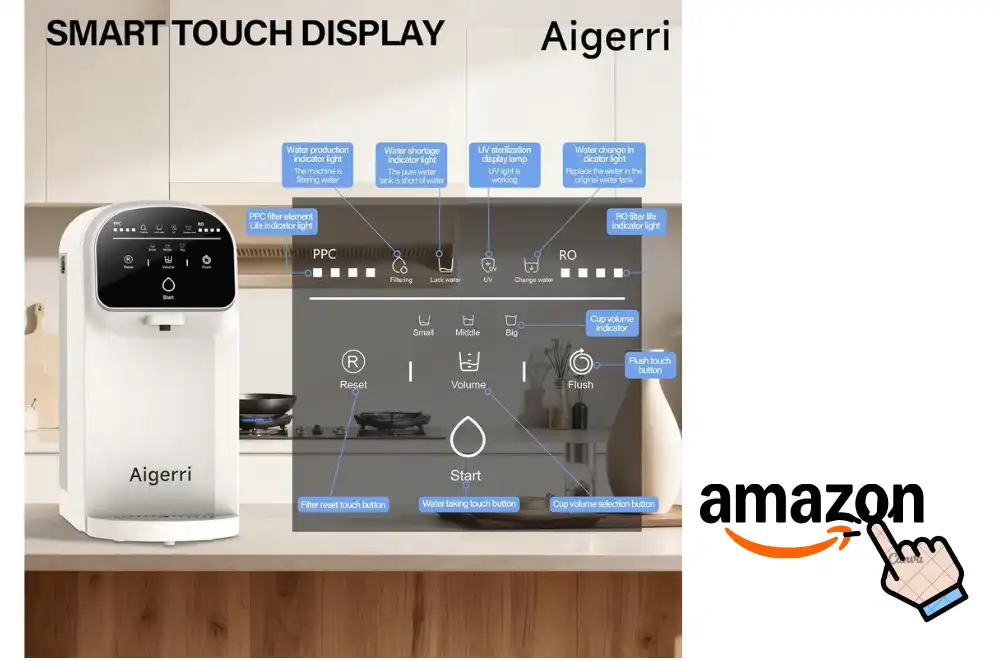
Countertop UV water purifiers sit on kitchen counters. They treat small amounts of water at a time. Easy to use and move, they fit well in apartments. These purifiers need power to run the UV light.
Portable Uv Water Purifiers
Portable UV purifiers are small and easy to carry. Perfect for travelers and outdoor use. They quickly clean water from lakes or taps. These purifiers run on batteries and need little maintenance.
Uv Water Purifier With Filtration
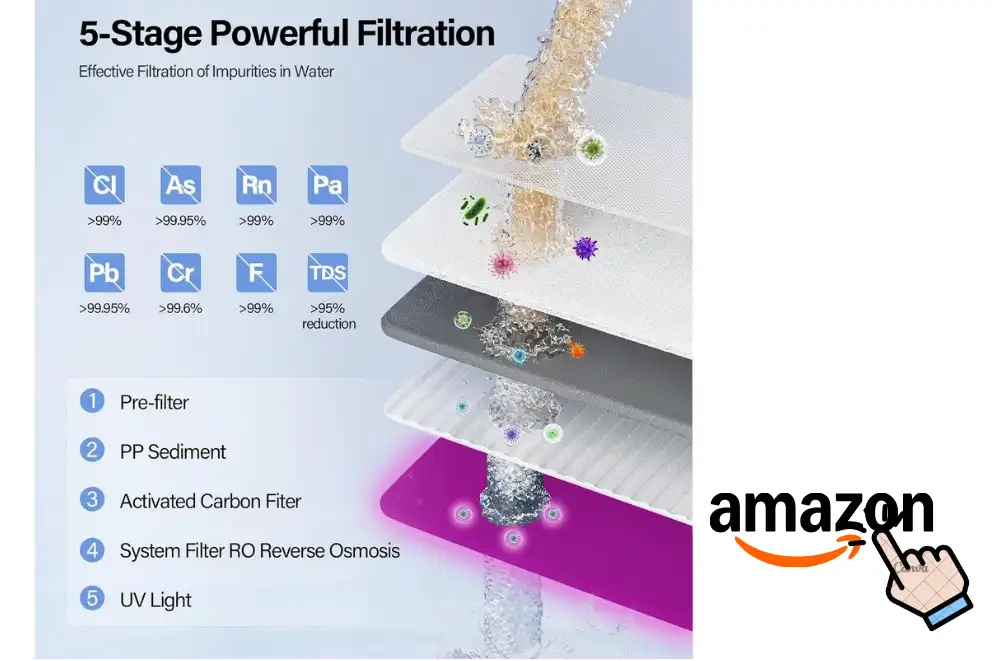
Some UV purifiers include filters to remove dirt and particles. Filters clean water before UV light kills bacteria. This combination improves water taste and safety. Ideal for water sources with visible impurities.
Key Features To Consider
Choosing the right UV water purifier needs attention to several key features. These features affect how well the purifier cleans water and fits your needs. Understanding these features helps you pick a reliable and effective purifier.
Uv Lamp Quality
The UV lamp is the heart of the purifier. High-quality lamps kill bacteria and viruses quickly. Look for lamps with a long lifespan and strong UV output.
Water Flow Rate
Water flow rate shows how fast water passes through the purifier. A good purifier balances speed with effective purification. Too fast might reduce cleaning power.
Capacity
Capacity means how much water the purifier can clean at once. Choose a capacity that matches your daily water use. This avoids running out of clean water.
Power Consumption
Power consumption affects your electricity bills. Efficient purifiers use less power while working well. Check the energy rating before buying.
Maintenance Needs
Maintenance affects how easy the purifier is to keep working. Some purifiers need regular lamp changes or cleaning. Pick one with simple maintenance steps.
Safety Features
Safety features protect you and the device. Features like automatic shut-off when the lamp fails are useful. They ensure water stays safe to drink.
Installation And Maintenance Tips
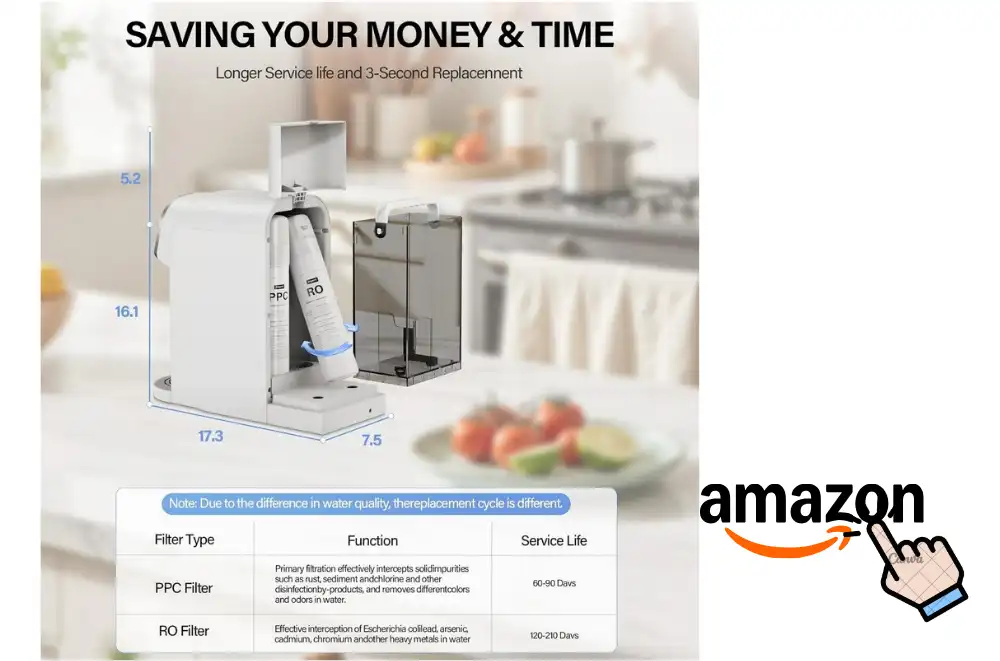
Installing and maintaining a UV water purifier is simple. Proper steps help keep water clean and safe. Follow these tips to ensure your purifier works well every day. Regular care extends the purifier’s life. It also keeps water free from harmful germs.
Choosing The Right Location For Installation
Pick a dry and cool place for the purifier. Avoid direct sunlight or heat sources. The unit should be near a water source. Easy access helps during maintenance and checks. Make sure there is space for air to flow around it.
Step-by-step Installation Process
Turn off the main water supply before starting. Connect the purifier to the water inlet pipe. Use proper fittings to avoid leaks. Fix the UV lamp inside the chamber carefully. Turn on the power and water supply. Check for leaks or unusual sounds.
Regular Cleaning And Uv Lamp Replacement
Clean the quartz sleeve every three months. Use a soft cloth and mild detergent. Replace the UV lamp yearly for best performance. Old lamps lose their ability to kill germs. Always unplug the unit before maintenance.
Monitoring Water Quality And System Checks
Test water quality regularly to ensure safety. Look for changes in taste or smell. Check the purifier for cracks or damage. Listen for warning signals or unusual noises. Fix small issues early to avoid big problems.
Comparing Uv With Other Purification Methods
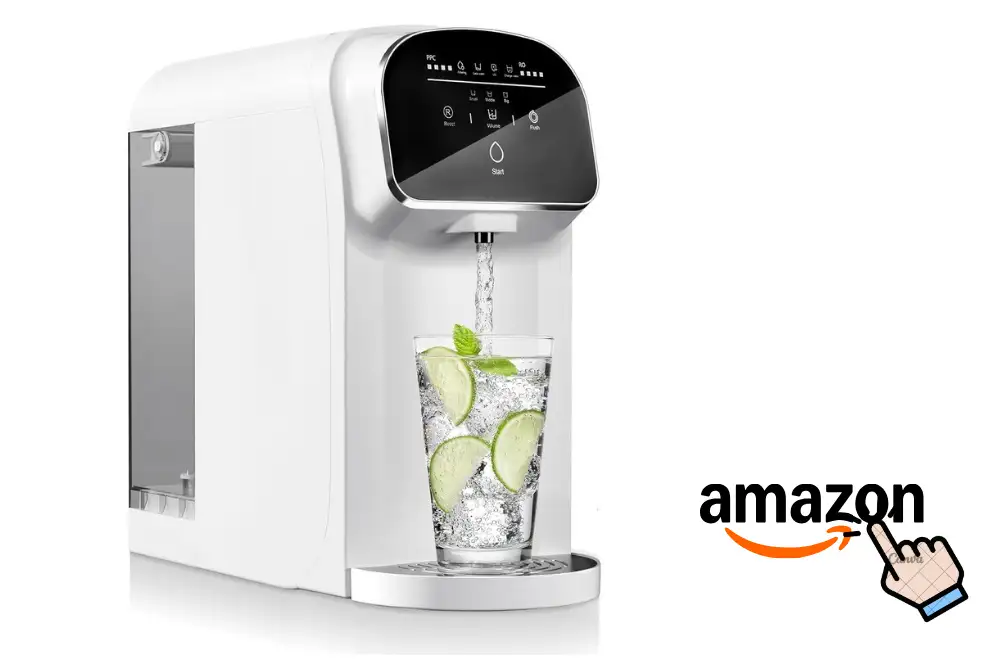
Choosing the right water purifier is important for clean and safe drinking water. UV water purifiers use ultraviolet light to kill germs. Other methods use different ways to clean water. Comparing UV with these methods helps you understand their strengths and limits.
Uv Water Purifier Vs. Boiling
Boiling water kills most bacteria and viruses. It takes time and uses energy. UV purifiers clean water quickly without heating. They keep water fresh and taste better. Boiling does not remove chemicals or particles, but UV focuses only on germs.
Uv Water Purifier Vs. Activated Carbon Filters
Activated carbon filters remove bad taste, smell, and chemicals. They do not kill germs. UV purifiers destroy bacteria and viruses but do not remove chemicals. Combining both methods gives better water quality. Each method covers different water problems.
Uv Water Purifier Vs. Reverse Osmosis (ro)
RO removes many impurities, including salts and chemicals. It wastes water and takes longer. UV purifiers save water and work faster. RO systems need more maintenance. UV systems focus on killing germs only. For pure and safe water, some use both together.
Common Myths About Uv Purifiers
UV water purifiers are popular for cleaning water safely. Yet, many myths confuse people about how they work. These myths can stop people from using UV purifiers effectively. Clearing up wrong ideas helps you choose the right purifier for your home.
Myth: Uv Purifiers Remove Chemicals
Many think UV purifiers clean chemicals from water. They do not. UV light kills germs but does not remove chemicals or heavy metals. You need other filters for chemical removal.
Myth: Uv Purifiers Make Water Safe Instantly
Some believe UV purifiers work immediately. UV light needs enough time to kill germs. Water must flow slowly to get fully treated. Fast flow may leave some germs alive.
Myth: Uv Purifiers Store Water
UV purifiers do not store water. They treat water as it passes through. You need a separate tank to store purified water safely.
Myth: Uv Purifiers Work Without Power
UV purifiers need electricity to work. No power means no UV light, so no germ killing. Backup power may be needed in some areas.
Troubleshooting Common Issues
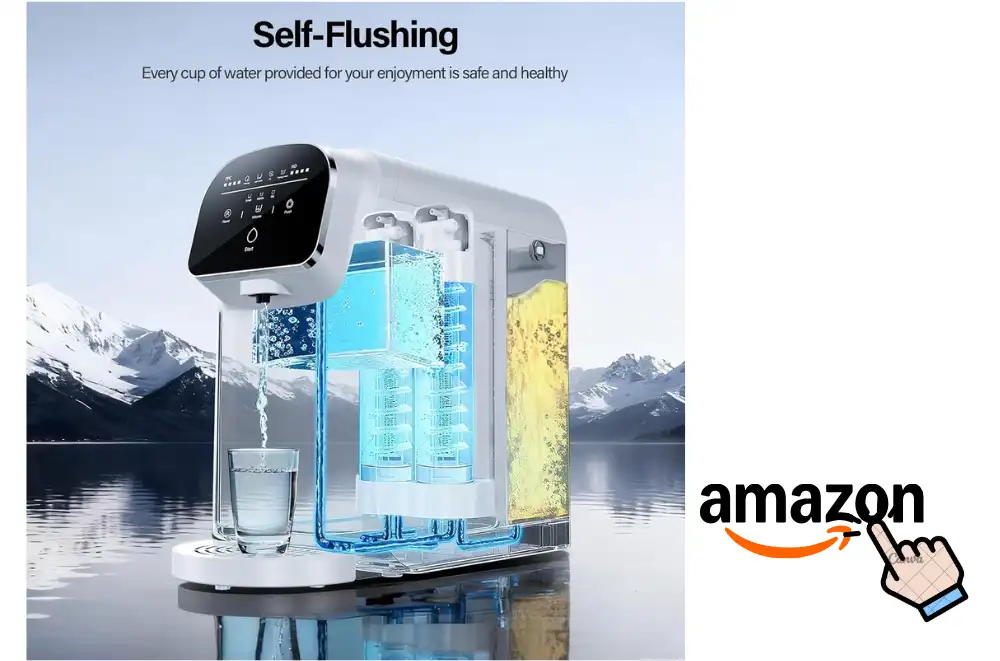
Troubleshooting common issues with UV water purifiers helps keep your water clean and safe. Problems may arise from simple causes. Identifying these issues early can save time and money.
Most problems have clear solutions. Understanding the basics makes fixing easier. This section covers frequent UV water purifier troubles and how to resolve them quickly.
Power Supply Problems
Check if the purifier is plugged in correctly. Power outages or loose connections cause the unit to stop working. Replace blown fuses or reset circuit breakers. Make sure the power outlet functions properly.
Uv Lamp Not Lighting
The UV lamp may be old or damaged. Replace the lamp every 9 to 12 months for best results. Dirt on the lamp sleeve can block UV rays. Clean the quartz sleeve gently with a soft cloth.
Water Flow Issues
Slow or no water flow can mean a clogged filter. Clean or replace filters as recommended by the manufacturer. Check for airlocks in pipes and remove them. Ensure water pressure is within the purifier’s range.
Strange Taste Or Odor
UV light does not remove all odors or tastes. This may mean the filter needs changing. Clean the storage tank regularly to prevent algae buildup. Use activated carbon filters for better taste improvement.
Indicator Light Problems
Indicator lights show the purifier’s status. If lights do not work, check the electrical connections. Replace faulty bulbs or sensors. Follow the user manual to reset the indicators properly.
Choosing The Right Uv Purifier For Your Needs
Choosing the right UV water purifier is important for safe drinking water. Different homes need different types of purifiers. Picking the best one depends on your water source, budget, and space. A good UV purifier removes harmful germs and keeps water fresh. This guide helps you find a purifier that fits your needs perfectly.
Capacity means how much water the purifier can clean in one hour. A family of four needs a purifier with higher capacity. Flow rate is the speed of water passing through the purifier. Choose a flow rate that matches your daily water use. Too low flow rate slows water supply. Too high may reduce purification quality.
UV light kills bacteria but does not remove dirt or chemicals. Check your water for turbidity and contaminants. Use a pre-filter if water has sediments or chlorine. Pre-filters protect the UV lamp and improve cleaning. Clean water helps the purifier work well and last longer.
The UV lamp needs replacement after some time. Most lamps last 9 to 12 months. Choose a purifier with easy lamp access for quick changes. Regular cleaning of the quartz sleeve is needed. This keeps the light strong and water safe. Maintenance affects purifier performance and your health.
UV purifiers use electricity to operate the lamp. Check the power usage before buying. Low power models save energy and reduce bills. Some purifiers come with battery backup. Backup helps during power cuts and ensures continuous water safety.
FAQ: Uv Water Purifier
What Is A Uv Water Purifier And How Does It Work?
A UV water purifier uses ultraviolet light to kill bacteria and viruses in water. It does not change the taste or smell. The UV light breaks down harmful germs, making water safe to drink.
Is Uv Water Purification Safe For Daily Use?
Yes, UV water purification is safe and chemical-free. It does not add any harmful substances to water. Many homes use it every day for clean drinking water.
Can Uv Purifiers Remove Chemicals And Heavy Metals?
No, UV purifiers only kill germs and viruses. They cannot remove chemicals, heavy metals, or dirt. For those, use filters like activated carbon or reverse osmosis.
How Often Should I Maintain A Uv Water Purifier?
You should clean the UV lamp and quartz sleeve every 6 to 12 months. Replace the UV lamp once a year to keep it effective. Regular care ensures the purifier works well.
Does Uv Water Purifier Affect Water Taste Or Odor?
UV purification does not change water’s taste or smell. It only kills germs without adding anything. This keeps water fresh and natural for drinking.
Conclusion
Choosing a UV water purifier ensures cleaner, safer drinking water. It removes harmful germs without changing taste or smell. The device uses ultraviolet light to kill bacteria and viruses quickly. Maintenance is simple, and the purifier works without chemicals. Safe water supports good health and peace of mind.
Everyone deserves pure water every day. A UV water purifier offers an easy, effective solution. Consider it for your home or office. Clean water is a small step that makes a big difference.