
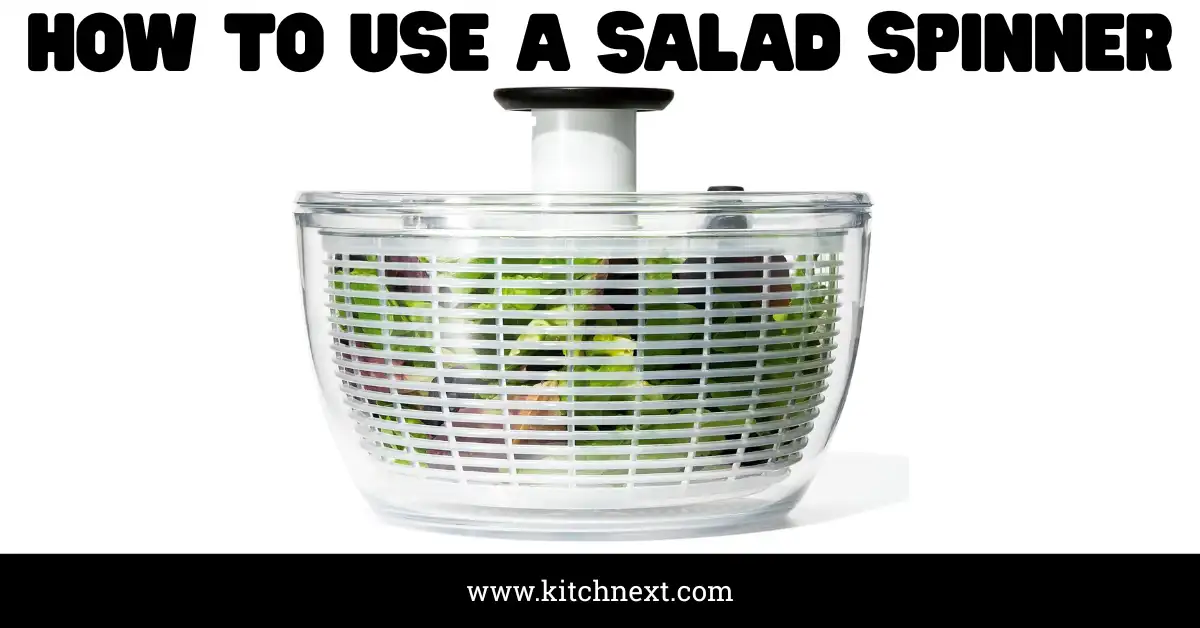
Are you tired of soggy salads that ruin your fresh greens? Learning how to use a salad spinner can change the way you prepare your meals.
It’s a simple tool that quickly dries your lettuce and veggies, making every bite crisp and delicious. You’ll discover easy steps to get the most out of your salad spinner and why it’s a must-have in your kitchen. Keep reading to unlock the secret to perfect salads every time.
Table of Contents
Choosing The Right Salad Spinner
Choosing the right salad spinner makes washing and drying greens easier. It saves time and keeps your salad fresh and crisp. Different salad spinners have unique features. Knowing what to pick helps you enjoy cooking more.
Capacity And Size
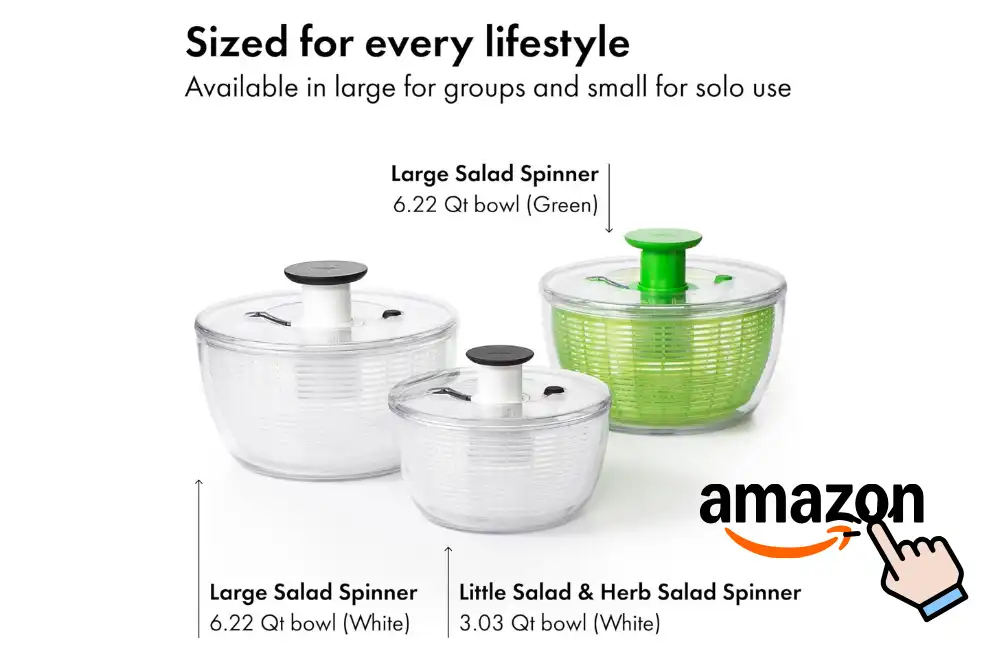
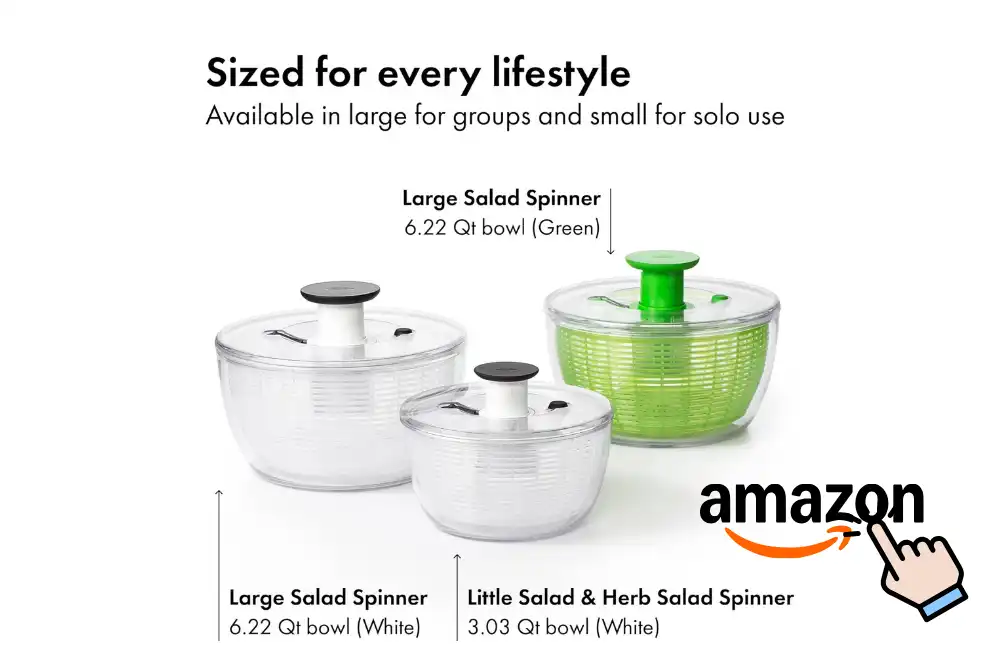
Think about how much salad you usually make. Small spinners work well for one or two people. Bigger ones are good for families or parties. Also, check your kitchen space. Pick a size that fits your cupboard or countertop.
Material And Build Quality
Look for a spinner made of strong plastic or stainless steel. These materials last longer and are easy to clean. Avoid cheap plastic that may break quickly. A good spinner feels solid and stable when you use it.
Ease Of Use And Cleaning
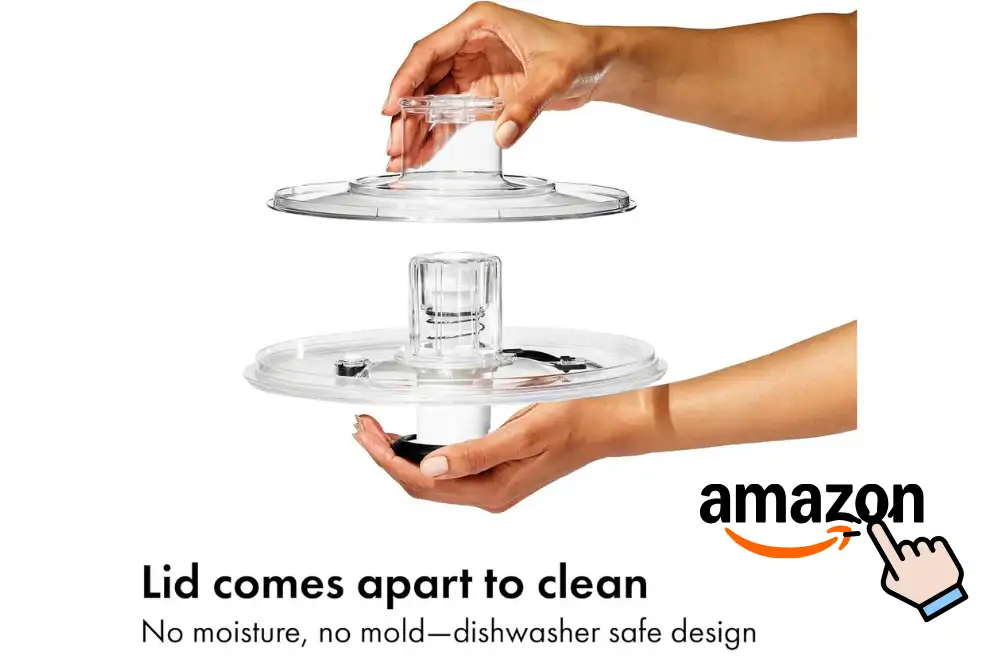
Choose a spinner with a simple spinning mechanism. Some use a pull cord; others have a push button or crank. Pick one that feels comfortable for you. Check if the parts can be taken apart easily. This helps with cleaning and drying.
Additional Features
Some spinners have extra features, like a built-in strainer or non-slip base. These can improve your experience. Still, don’t pay for features you won’t use. Focus on what fits your needs best.
Preparing Greens For Washing
Preparing greens for washing is the first step to a fresh, crisp salad. Proper preparation removes dirt and insects hiding in the leaves. It also helps the salad spinner work better.
Start by sorting your greens. Remove any damaged or wilted leaves. This keeps your salad fresh and clean.
Separate The Leaves
Pull apart the leaves gently. Do not tear or crush them. Loose leaves wash more evenly and dry faster.
Trim Thick Stems
Cut off thick stems before washing. Thick parts trap dirt and take longer to dry. Thin stems are fine to leave on.
Rinse Under Cold Water
Place leaves in a bowl or sink. Rinse with cold water to remove dirt. Swirl the leaves gently to wash away grit.
Use A Clean Colander
Transfer greens to a clean colander. This helps drain dirt and water. Use it to move greens to the salad spinner easily.
Loading The Spinner Basket
Loading the spinner basket correctly is key for clean, dry salad leaves. It helps the spinner work well and keeps your greens fresh. Learn how to place your salad inside the basket for the best results.
Choose The Right Amount Of Salad
Do not overfill the basket. Too many leaves stop the spinner from drying them fully. Fill the basket loosely to let air move freely.
Place Leaves Evenly
Spread salad leaves in a single layer. Avoid packing leaves tightly. This allows water to spin out easily from every leaf.
Remove Large Stems And Stalks
Take out thick stems before loading. They block spinning and may cause damage. Use only soft leaves for best drying.

Rinsing The Greens Thoroughly
Start by rinsing your greens under cold water to remove dirt and bugs. Make sure leaves are clean before placing them in the salad spinner. This step helps keep your salad fresh and tasty.
Rinsing greens thoroughly is the first step to clean and fresh salad. Dirt, bugs, and pesticides can hide in leaves. Proper rinsing removes these unwanted bits. It helps make the salad safe and tasty.
Start by filling the salad spinner bowl with cold water. Place the greens inside and swish them gently with your hands. This action loosens dirt and debris stuck on the leaves. Let them soak for a minute or two.
Using Cold Water For Best Results
Cold water keeps the greens crisp and fresh. Warm water can cause leaves to wilt quickly. Using cold water also helps remove more dirt. Always rinse the greens under cold running water after soaking.
Separating Leaves To Clean Well
Separate large bunches of leaves before rinsing. Dirt hides inside folded or layered leaves. Pull apart the leaves gently to expose hidden dirt. This step ensures every leaf gets clean water.
Checking For Remaining Dirt
After rinsing, check leaves carefully for leftover dirt. Look between the folds and edges. Repeat rinsing if you see any dirt or bugs. Clean leaves make a better salad experience.
Spinning Techniques For Drying
Spinning techniques play a key role in drying your salad greens efficiently. Using the right method helps remove water quickly. It keeps leaves fresh and crisp. Proper drying prevents sogginess and extends the salad’s shelf life. Let’s explore simple ways to spin your greens perfectly every time.
Choosing The Right Speed
Start with a slow spin to stop leaves from flying out. Gradually increase speed as water moves to the sides. A medium spin is best to dry most leaves. Avoid very fast spins that can bruise delicate greens.
Timing Your Spins
Spin for about 20 to 30 seconds per round. Pause and check if leaves are still wet. Repeat spinning for a few rounds if needed. Stop when water no longer collects inside the bowl.
Using Short Bursts
Spin in short bursts instead of one long spin. This breaks water droplets off leaves gently. It prevents over-spinning and damage. Between bursts, shake the basket lightly to spread leaves evenly.
Balancing The Basket
Keep the basket balanced inside the bowl. Uneven weight can reduce spinning efficiency. Spread leaves evenly before spinning. This helps water drain out faster and cleaner.
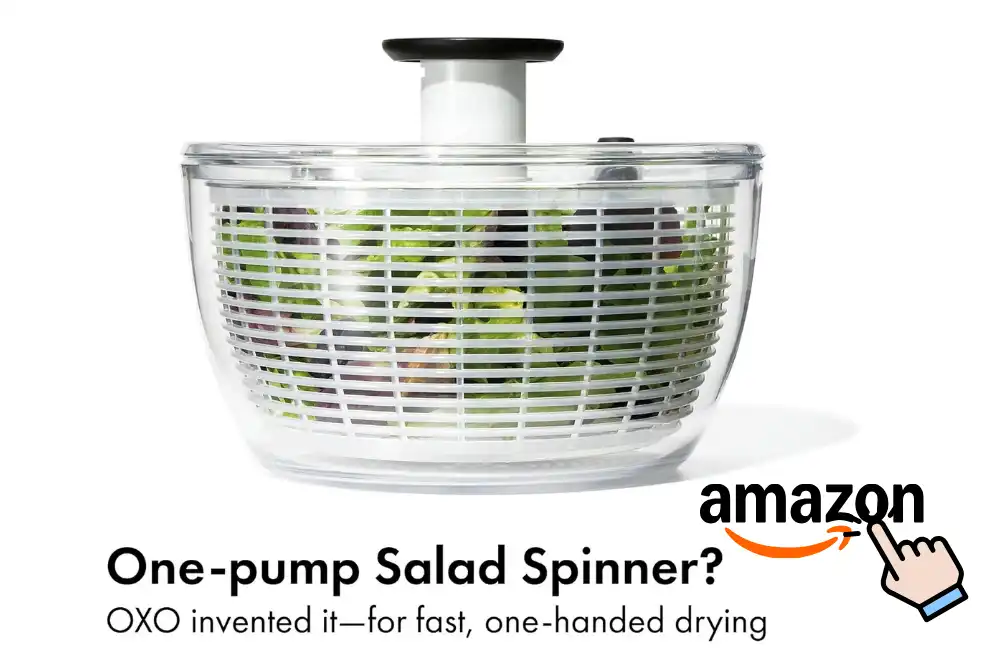
Adjusting Spin Time For Different Greens
Adjusting spin time for different greens is key to using a salad spinner well. Different greens hold water differently. Some need longer spinning to dry fully. Others dry faster and need less spin time. Knowing the right spin time keeps your greens fresh and crisp.
Spin Time For Leafy Greens
Leafy greens like lettuce and spinach have large, flat leaves. They hold more water after washing. Spin these greens for about 20 to 30 seconds. This time removes most water without bruising the leaves.
Spin Time For Delicate Greens
Delicate greens such as arugula or baby kale are softer. Spin these greens gently for 10 to 15 seconds. Too much spin can damage their tender leaves. Short spin time keeps them fresh and whole.
Spin Time For Herbs
Herbs like cilantro and parsley are lightweight and fragile. Spin herbs for 5 to 10 seconds only. They dry quickly and need less force. Gentle spinning prevents leaves from tearing or bruising.

Emptying Excess Water Safely
Emptying excess water from your salad spinner is an important step. It keeps your greens crisp and ready to eat. Doing this safely helps avoid spills and messes in your kitchen. Follow simple methods to drain water without wasting your fresh salad.
Remove The Inner Basket Carefully
Stop spinning before you remove the basket. Hold the outer bowl steady with one hand. Lift the basket slowly to avoid splashing water. This step keeps water inside the bowl and off your counter.
Pour Out Water Without Spilling
Hold the bowl over the sink. Tilt it gently to pour water out. Keep the basket lifted slightly to stop leaves from falling out. Pour slowly to control the flow of water.
Use A Towel For Extra Protection
Place a kitchen towel under the bowl while emptying. It catches any drips or spills. This keeps your countertop dry and clean. Towels also make cleanup easier after draining water.
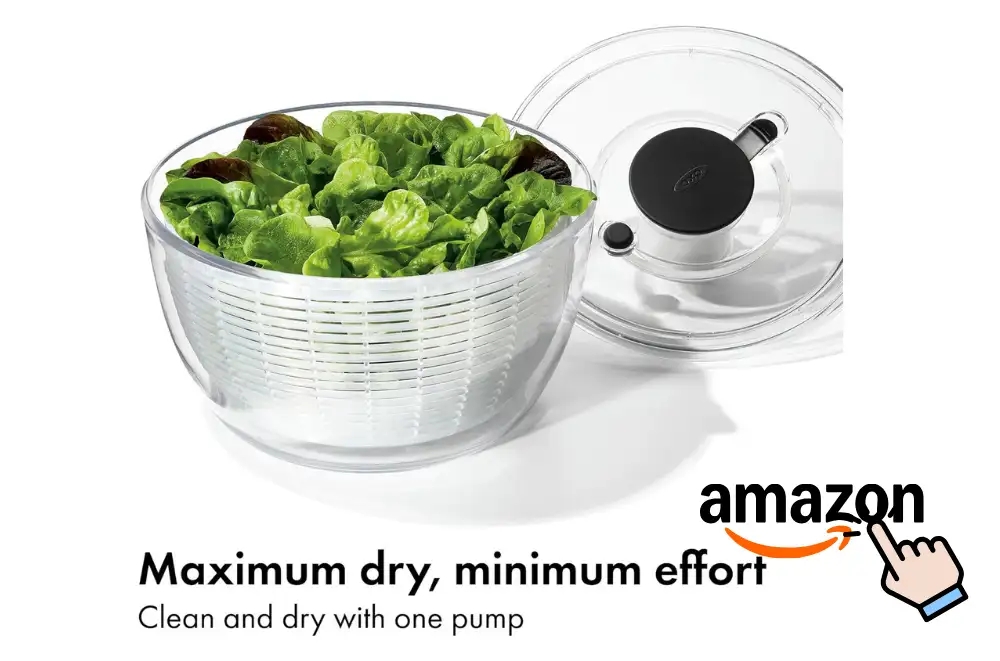
Cleaning Your Salad Spinner
Cleaning your salad spinner keeps it working well and your salads fresh. Dirt and food bits can build up inside. Regular cleaning stops bad smells and germs. It also helps your spinner last longer.
Follow easy steps to clean your salad spinner after each use. It only takes a few minutes.
Remove All Parts
Take the lid, basket, and bowl apart. This helps you clean every corner well. Some salad spinners have small pieces, so check carefully.
Wash With Warm Soapy Water
Use warm water and mild soap. Wash each part with a soft sponge. Avoid harsh scrubbing that can damage the spinner.
Rinse Thoroughly
Rinse all parts under clean running water. Make sure no soap remains. Soap residue can affect the taste of your salad.
Dry Completely Before Storing
Dry each piece with a clean towel. Let parts air dry fully if possible. Storing wet parts can cause mold and smells.
Clean The Lid Mechanism Carefully
Check the spinning mechanism in the lid. Wipe with a damp cloth to remove dirt. Avoid soaking the lid if it has a non-waterproof part.
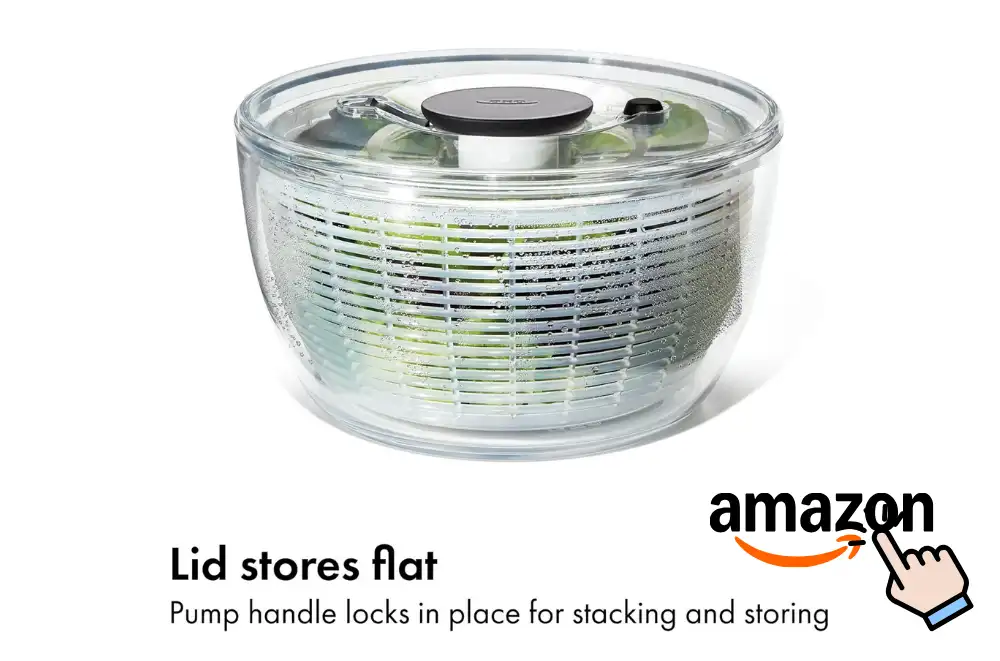
Tips For Maintaining Crispness
Maintaining crispness in your salad greens is key to a tasty, fresh salad. A salad spinner helps by drying leaves quickly and evenly. Proper use and care keep greens fresh longer. Follow simple steps to keep leaves crunchy and vibrant.
Use Cold Water For Washing
Wash greens in cold water before spinning. Cold water helps keep leaves firm. It removes dirt without softening the leaves. Avoid warm water, which can make leaves limp.
Do Not Overfill The Basket
Fill the spinner basket only halfway. Overloading prevents proper spinning. Leaves need space to move freely. This stops water from being removed fully.
Spin In Short Bursts
Spin the basket in short bursts. This helps avoid bruising delicate leaves. Check dryness between spins. Stop when leaves feel dry but not broken.
Remove Excess Moisture Immediately
Empty the water collected at the bottom right away. Standing water can make leaves soggy. Pour out water after each spin cycle. This keeps the salad crisp and fresh.
Store Greens Properly After Spinning
Wrap dried greens in a clean paper towel. Place them in an airtight container or bag. Store in the fridge to keep crispness. The towel absorbs any leftover moisture.
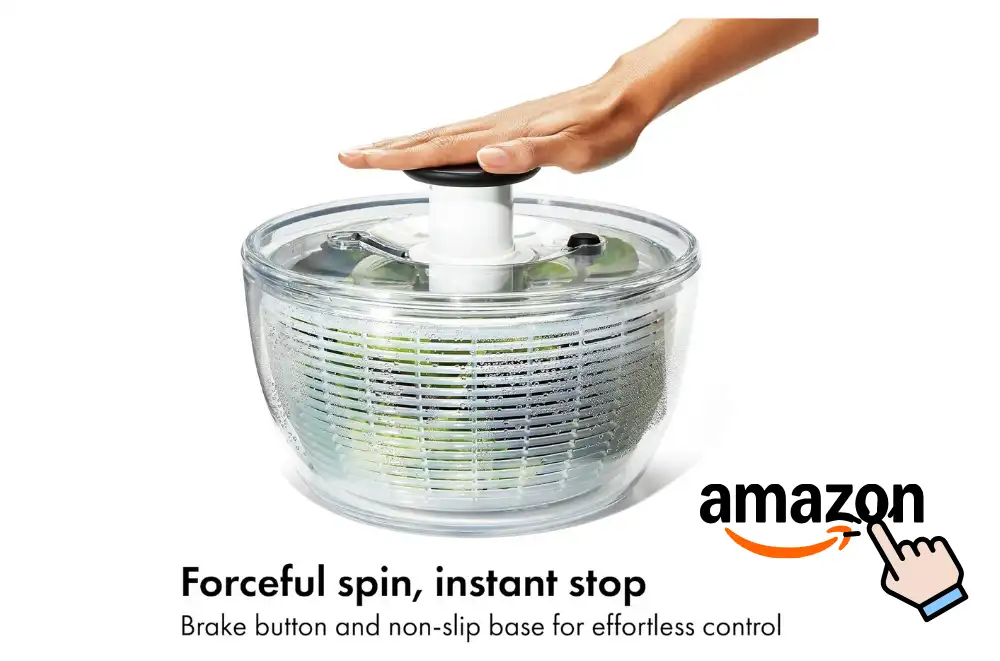
Creative Uses Beyond Salad
The salad spinner is not just for drying lettuce. It has many clever uses around the kitchen and home. Using it in different ways saves time and effort. It is a handy tool beyond salad preparation.
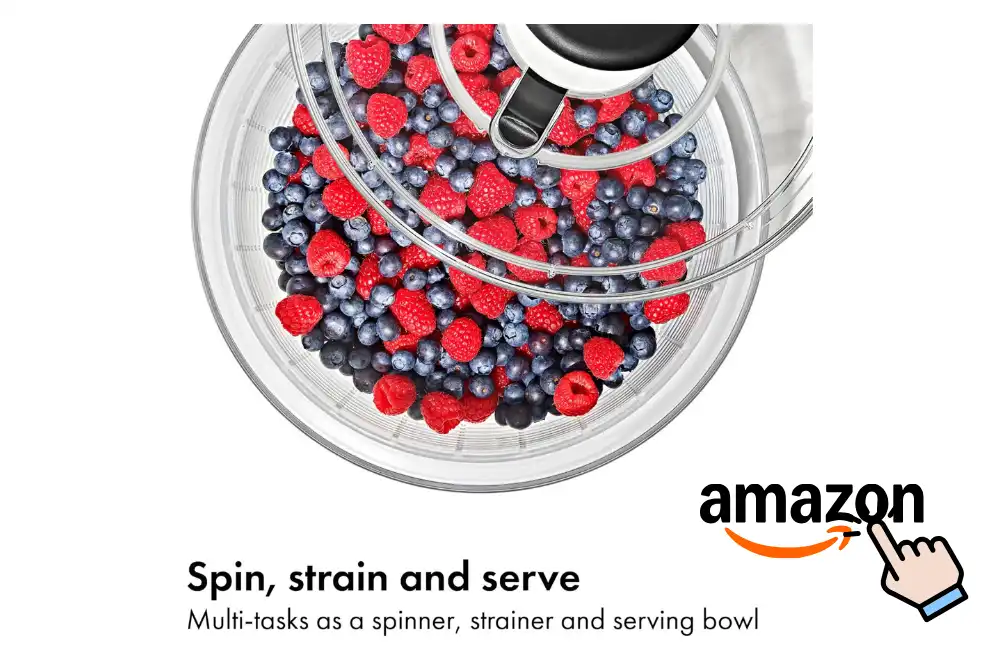
Cleaning Small Fruits And Berries
Spin strawberries, blueberries, and grapes to remove water quickly. The spinner stops them from getting soggy. It keeps fruits fresh and ready to eat or cook.
Washing Herbs
Rinse fresh herbs like parsley or cilantro in the basket. Spin gently to dry without bruising leaves. This keeps herbs crisp and flavorful longer.
Draining Cooked Pasta
Use the spinner to drain cooked pasta or noodles. It removes extra water fast and evenly. No need for a separate colander or strainer.
Removing Excess Water From Grated Vegetables
Grate zucchini or carrots and put them in the spinner. Spin to squeeze out water before cooking. This helps dishes stay firm and not watery.
Washing And Drying Toys Or Small Items
Clean small toys or kitchen gadgets by rinsing them in the spinner. Spin to dry quickly without damage. Great for keeping items clean and dry.
FAQ: How to Use a Salad Spinner
What Is A Salad Spinner Used For?
A salad spinner dries washed greens quickly by spinning water off them.
How Do You Properly Use A Salad Spinner?
Place wet greens inside, close lid, spin handle, then stop to remove dry leaves.
Can A Salad Spinner Clean Other Vegetables?
Yes, it can wash and dry herbs, lettuce, and some small vegetables.
How Often Should You Clean A Salad Spinner?
Clean it after each use to keep it free from bacteria and dirt.
Is A Salad Spinner Safe For Dishwasher Cleaning?
Most salad spinners are dishwasher safe, but check the product instructions first.
Conclusion
Using a salad spinner makes washing greens quick and easy. It helps remove water so salads stay fresh and crisp. Spin your lettuce well before serving for the best taste. This small tool saves time and effort in the kitchen.
Keep your salad spinner handy for healthy meals every day. Simple steps lead to better salads and less mess. Try using a salad spinner and enjoy cleaner, drier greens. Your salads will look and taste much better. Give it a go and see the difference yourself.