
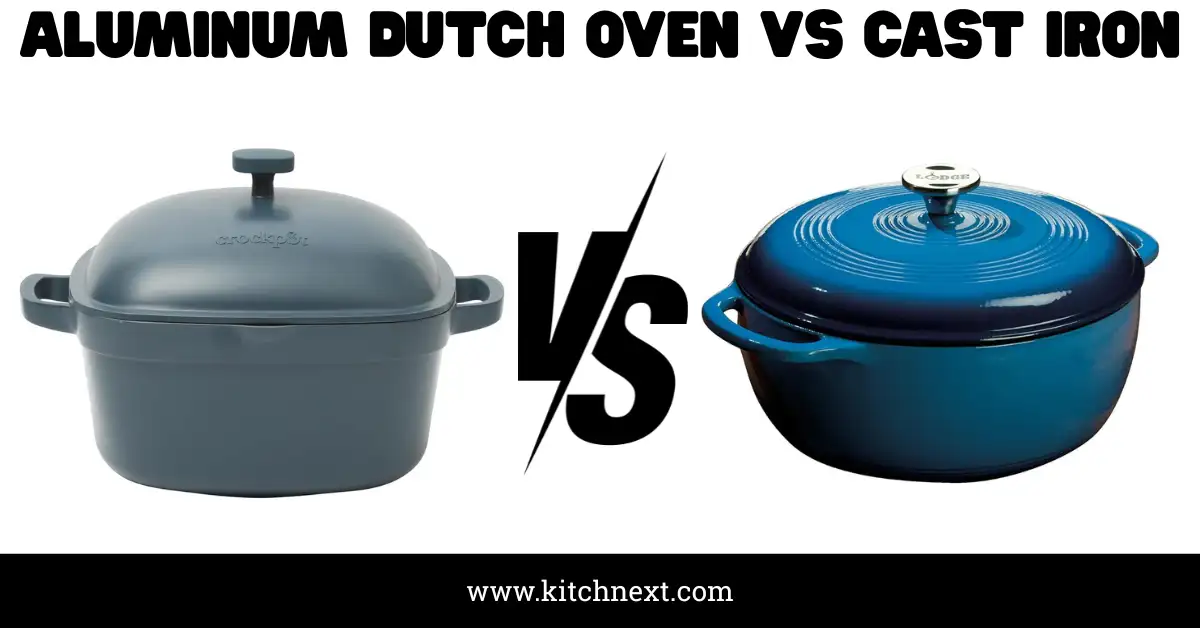
When it comes to choosing the perfect Dutch oven for your kitchen, you might find yourself stuck between aluminum and cast iron. Both have their fans, but which one truly fits your cooking style and needs?
Understanding the key differences can save you time, money, and frustration. You’ll discover how each material affects heat, weight, durability, and maintenance. By the end, you’ll feel confident picking the Dutch oven that makes your meals tastier and your cooking easier.
Keep reading to find out which one is the best match for you.
Table of Contents
Material Properties
Aluminum Dutch ovens heat quickly and are lightweight. Cast iron holds heat longer and cooks evenly. Both have unique strengths for different cooking needs.
Choosing the right Dutch oven depends a lot on the material it is made from. Material affects heat, weight, and care. Aluminum and cast iron are two popular options. Each has unique traits that affect cooking and handling.
Understanding these materials helps pick the best pot for your kitchen. Both have pros and cons based on their physical properties.
Aluminum Dutch Oven
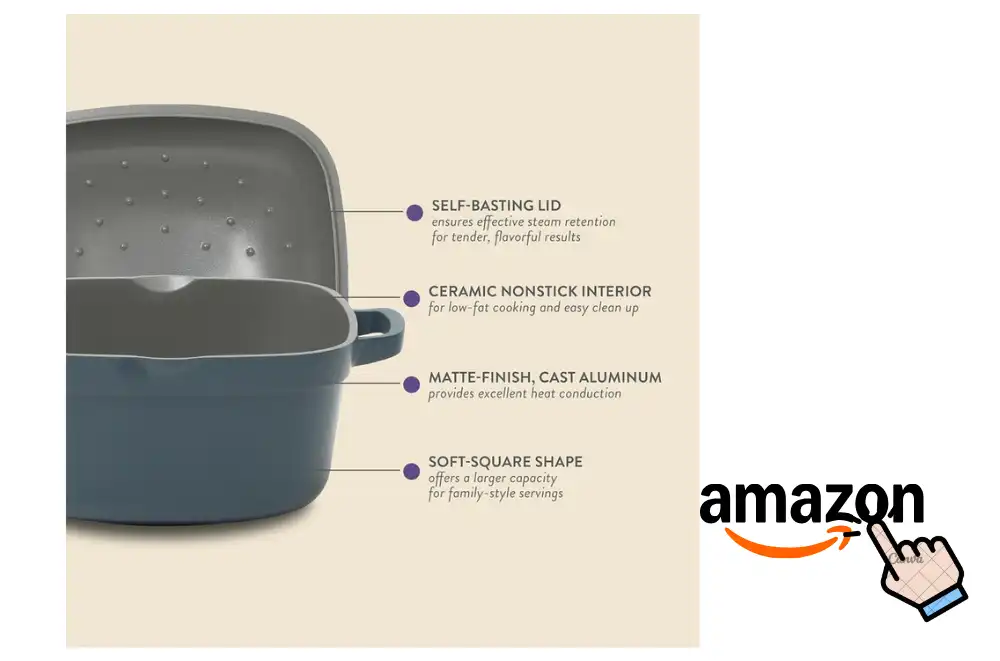
Aluminum is a light metal. It heats up fast and cools quickly. This helps cook food evenly without hot spots. Aluminum does not rust, making it easy to maintain. It is also less heavy, so moving it is simple. This material often comes with a non-stick coating.
However, aluminum can scratch and dent easily. It is not as durable as cast iron. High heat can warp the pot, so careful use is needed.
Cast Iron Dutch Oven
Cast iron is heavy and thick. It holds heat well and keeps it steady for a long time. This makes it perfect for slow cooking and baking. Cast iron can last for decades if cared for properly. It develops a natural non-stick surface called seasoning.
Cast iron can rust if not dried well. It takes longer to heat up. Moving it requires strength because of its weight.
Heat Conductivity And Retention
Aluminum conducts heat quickly but loses it fast too. Cast iron heats slowly but keeps heat longer. This difference impacts cooking styles and times. Choose aluminum for quick meals and cast iron for slow cooking.
Aluminum needs gentle handling to avoid dents and scratches. Cast iron is tough but requires seasoning to prevent rust. Both need proper cleaning to last long. Cast iron can be restored if damaged, aluminum cannot.
Heat Distribution
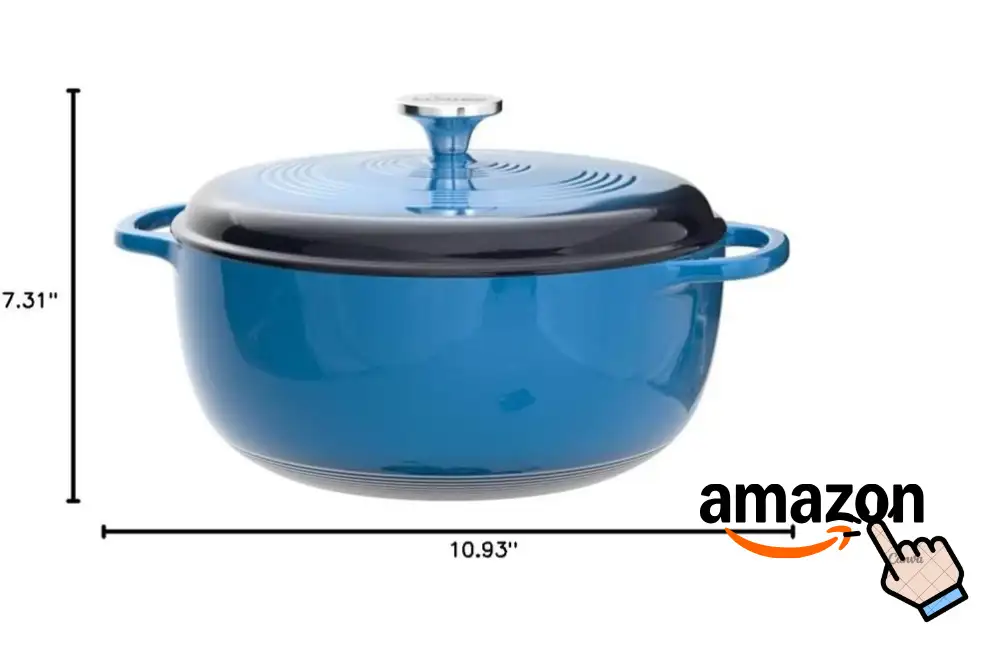
Heat distribution is key in cooking with any Dutch oven. It affects how evenly food cooks and the final taste. Both aluminum and cast iron have different ways of spreading heat.
Aluminum Dutch Oven Heat Distribution
Aluminum heats up very quickly. It spreads heat evenly across the surface. This means food cooks faster and with less hot spots. It is great for recipes that need quick and even heat.
Thin walls in aluminum allow fast heat transfer. This saves time and energy. However, aluminum cools down fast once removed from heat.
Cast Iron Dutch Oven Heat Distribution
Cast iron takes longer to heat up. It absorbs heat slowly but holds it well. This steady heat is perfect for slow cooking and braising.
Its thick walls keep heat uniform. Food cooks evenly over time without burning. Cast iron stays hot longer after cooking stops.
Weight And Handling
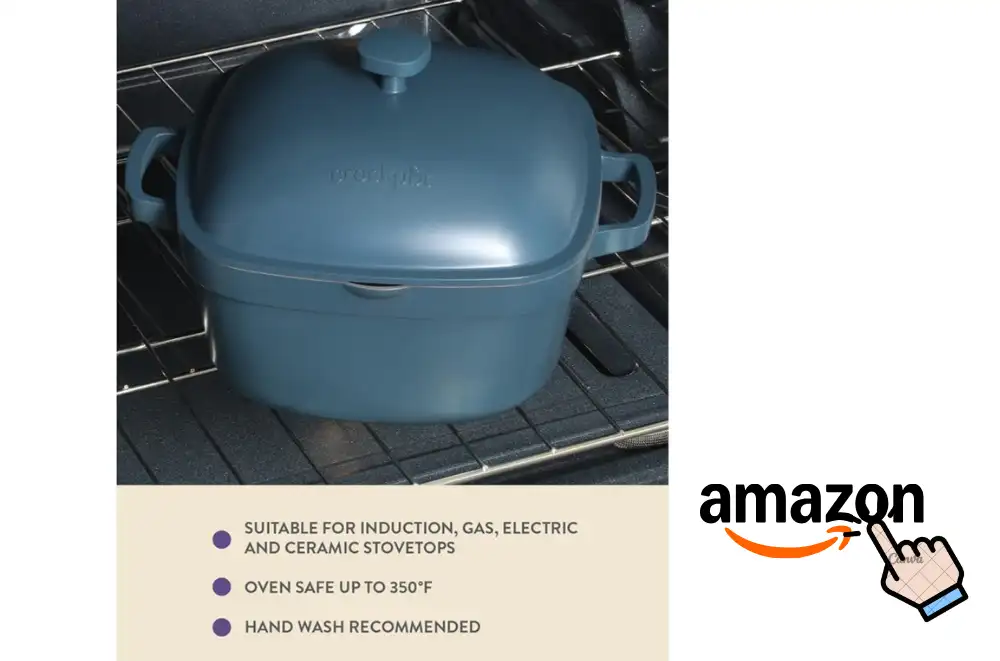
Weight and handling play a big role in choosing a Dutch oven. It affects how easy it is to move, carry, and cook with. Both aluminum and cast iron have different weights and handling features. These differences matter for daily use and safety.
Weight Of Aluminum Dutch Oven
Aluminum Dutch ovens are much lighter than cast iron ones. They weigh less, making them easy to lift and carry. This is helpful for people with less strength or joint pain. Lightweight means less effort when stirring or moving the pot.
Weight Of Cast Iron Dutch Oven
Cast iron Dutch ovens are heavy and solid. Their weight helps with heat retention and even cooking. The heaviness can make them hard to handle for some users. Lifting a full cast iron pot requires more strength and care.
Handling And Safety
Aluminum pots are easier to handle due to their light weight. They reduce the risk of dropping or spilling hot food. Cast iron’s heavy weight demands more attention while cooking or cleaning. Both types need good grips on handles for safe use.
Durability And Maintenance
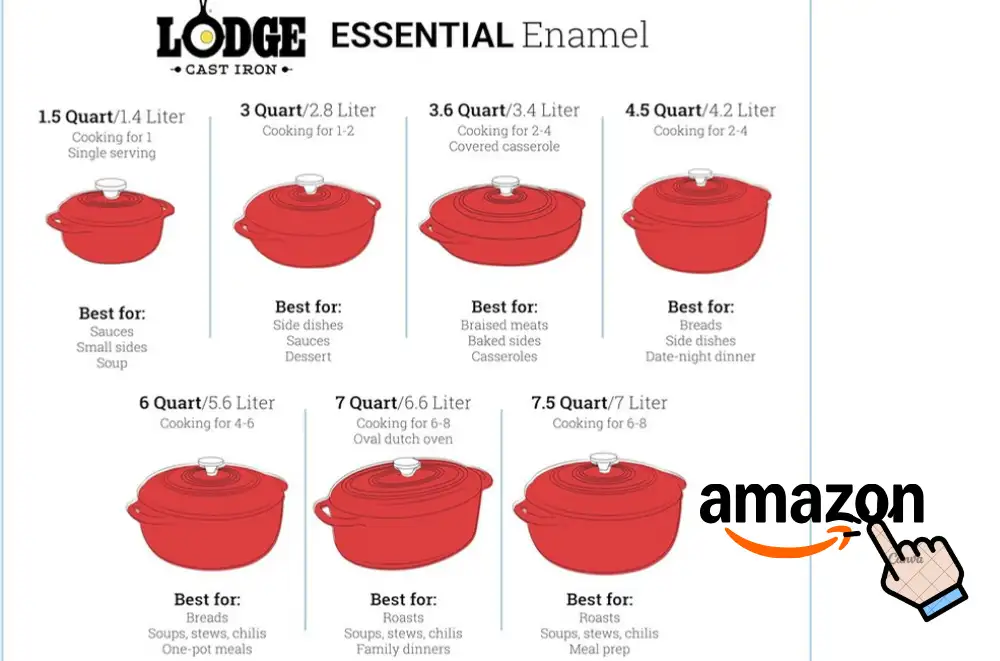
Durability and maintenance are key factors when choosing between an aluminum Dutch oven and a cast iron one. These aspects affect how long the pot lasts and how easy it is to care for. Both materials offer unique benefits and challenges in these areas.
Durability Of Aluminum Dutch Oven
Aluminum Dutch ovens are lightweight and resist rust well. They can dent or scratch easily from rough use. The metal is softer than cast iron, so it may wear out faster over time. The coating on some aluminum pots can peel if not handled carefully.
Durability Of Cast Iron Dutch Oven
Cast iron Dutch ovens are heavy and very strong. They can last for decades if cared for properly. The material resists dents and scratches better than aluminum. Cast iron can crack if dropped but usually stands up to daily use well.
Maintenance Of Aluminum Dutch Oven
Aluminum Dutch ovens need gentle cleaning to keep their coating safe. Avoid abrasive scrubbers that can damage the surface. They do not require seasoning and dry quickly. These pots are often dishwasher safe, making cleaning easier.
Maintenance Of Cast Iron Dutch Oven
Cast iron Dutch ovens need seasoning to keep food from sticking. They must be dried immediately after washing to prevent rust. Cleaning requires a brush or soft sponge, without soap. Regular oiling helps maintain the pot’s surface and durability.
Cooking Performance
Cooking performance is a key factor when choosing between an aluminum Dutch oven and a cast iron one. Both materials affect how heat moves and cooks food. Understanding their strengths helps pick the best pot for your kitchen.
Heat Conductivity
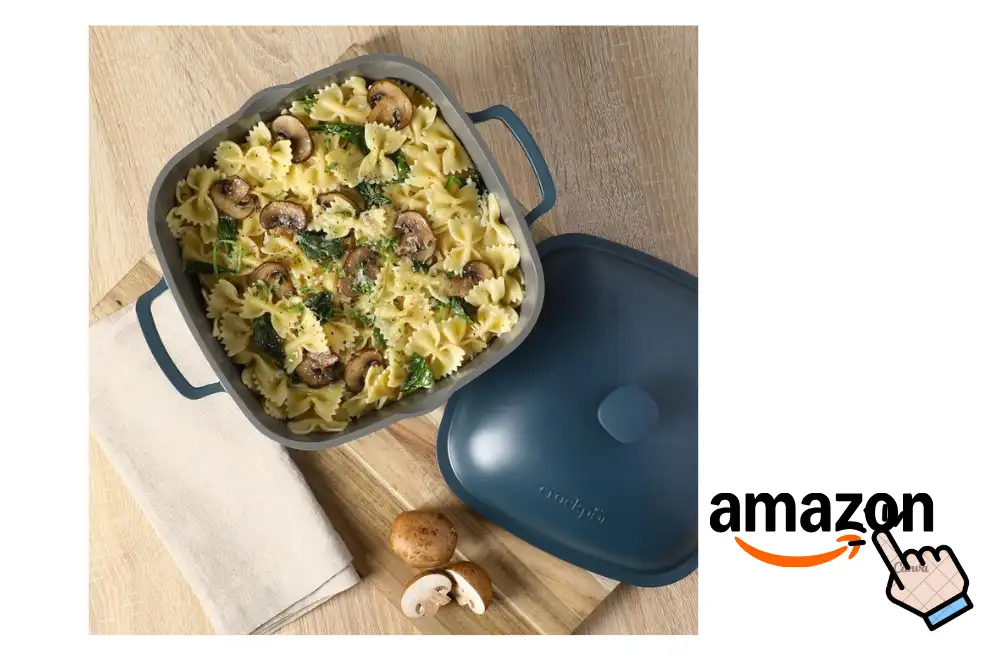
Aluminum heats up very quickly and spreads heat evenly. This means food cooks faster and with less chance of hot spots. Cast iron takes longer to heat but holds heat well once hot. It keeps a steady temperature during cooking.
Heat Retention
Cast iron excels at holding heat for a long time. This quality is great for slow cooking and simmering. Aluminum cools down faster after removing from heat. It suits quick recipes and fast temperature changes.
Cooking Evenness
Aluminum’s even heat distribution helps avoid burnt edges or cold spots. Cast iron may have uneven heat at first but improves with use. Seasoned cast iron creates a natural non-stick surface that enhances cooking.
Suitability For Cooking Methods
Cast iron suits high heat methods like searing and frying. It also works well in ovens and on grills. Aluminum is ideal for stovetop cooking and recipes needing quick temperature shifts. It is lightweight and easy to handle.
Price And Value
Price and value are important when choosing a Dutch oven. The cost matters for many cooks. Both aluminum and cast iron options offer different benefits for their price. Understanding these differences helps you pick the best pot for your kitchen and budget.
Cost Of Aluminum Dutch Ovens
Aluminum Dutch ovens usually cost less than cast iron ones. They are lighter to make and use less material. This lowers the price for buyers. Many aluminum pots come with non-stick coatings that add value without raising cost too much.
Cost Of Cast Iron Dutch Ovens
Cast iron Dutch ovens tend to be more expensive. Their heavy build and long-lasting nature add to the price. Brands known for quality cast iron can charge more. These pots often last for decades, which can balance the higher cost.
Value Comparison
Aluminum Dutch ovens offer good value for quick and easy cooking. They heat fast and clean up easily. Cast iron Dutch ovens provide value through durability and heat retention. They work well for slow cooking and baking. Both types bring value but suit different cooking styles and budgets.
Best Uses And Recipes
Choosing between an aluminum Dutch oven and a cast iron one depends on the cooking style and recipes. Each type works best for certain dishes. Knowing their strengths helps you cook better meals.
Aluminum Dutch ovens heat up quickly and are lightweight. They suit fast cooking and recipes that need even heat. Cast iron Dutch ovens hold heat longer and create deep flavors. They are great for slow cooking and baking.
Aluminum Dutch Oven Best Uses
Use aluminum Dutch ovens for quick stews and soups. They are perfect for boiling pasta or cooking rice. Their fast heat response helps in making sauces and stir-fries. They also work well for camping trips due to light weight.
Cast Iron Dutch Oven Best Uses
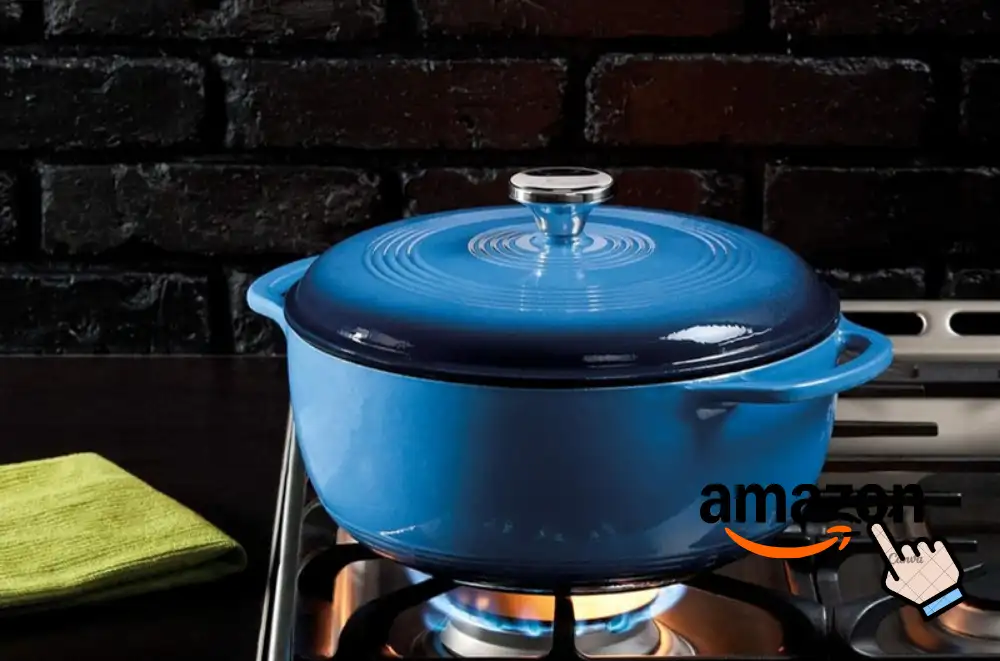
Cast iron Dutch ovens shine in slow-cooked meals like braises and roasts. They keep heat steady for hours, making them great for chili and casseroles. Baking bread inside is easy with cast iron. They also work well for frying and searing.
Recipes Ideal For Aluminum Dutch Oven
Try quick vegetable stir-fry or chicken curry in an aluminum Dutch oven. It cooks evenly without hot spots. Perfect for making chili in less time. Use it to boil pasta or make risotto with consistent heat.
Recipes Ideal For Cast Iron Dutch Oven
Slow-cooked beef stew tastes rich in cast iron Dutch ovens. Try baking artisan bread with a crispy crust. Roasting whole chicken results in juicy meat. Use it for deep frying or simmering thick sauces.
Environmental Impact
Aluminum Dutch ovens use less energy to make but may wear out faster. Cast iron lasts longer but needs more resources to produce. Both affect the environment differently through their materials and lifespan.
Choosing between an aluminum Dutch oven and a cast iron one means thinking about the environment. Both materials affect nature differently from production to disposal. Understanding these effects helps make a smarter choice for the planet.
Energy Use In Production
Aluminum requires a lot of energy to extract and refine. Mining bauxite, the raw material, harms ecosystems. The refining process also uses high electricity. Cast iron production uses less energy compared to aluminum. It mainly comes from recycling scrap iron. This makes cast iron less harmful during manufacturing.
Recycling And Waste
Aluminum is highly recyclable without losing quality. Recycling aluminum saves 95% of the energy needed to make new metal. Cast iron also recycles well but less efficiently. Both materials reduce waste when recycled properly. Aluminum’s lighter weight means less fuel during transport.
Durability And Longevity
Cast iron lasts for decades with proper care. It can be repaired if damaged. Aluminum Dutch ovens tend to wear out faster. They may warp or scratch easily. Longer use means less frequent replacement. This lowers overall environmental impact.
Cooking Efficiency And Energy Use
Cast iron retains heat longer, requiring less stove energy. Aluminum heats up quickly but loses heat fast. This may cause more energy use during cooking. Energy-efficient cooking reduces your carbon footprint. Cast iron can help save energy in the kitchen.
FAQ: Aluminum Dutch Oven Vs Cast Iron
What Are The Main Differences Between Aluminum And Cast Iron Dutch Ovens?
Aluminum Dutch ovens heat up quickly and are lightweight. Cast iron ovens take longer to heat but keep heat longer and are heavier.
Which Dutch Oven Is Better For Slow Cooking And Braising?
Cast iron Dutch ovens are better for slow cooking and braising. They keep heat evenly for a long time.
Can Aluminum Dutch Ovens Be Used On Induction Cooktops?
Most aluminum Dutch ovens do not work on induction cooktops. Cast iron Dutch ovens work well with induction heat.
How Do I Clean Aluminum Dutch Ovens Compared To Cast Iron?
Aluminum Dutch ovens are easy to clean with soap and water. Cast iron needs careful cleaning and must be dried to avoid rust.
Which Dutch Oven Lasts Longer, Aluminum Or Cast Iron?
Cast iron Dutch ovens usually last longer with proper care. Aluminum ovens may wear out faster but are lighter to handle.
Conclusion
Both aluminum and cast iron Dutch ovens have unique strengths. Aluminum heats up quickly and is lightweight. Cast iron holds heat longer and cooks evenly. Choose aluminum for fast meals and easy handling. Pick cast iron for slow cooking and durability.
Think about your cooking style and needs. Either option can help you cook great food. Enjoy experimenting with both types in your kitchen.