

A sauté pan suits steady, saucy cooking, while a wok excels at fast stir-fries and high-heat tossing.
When dinner means searing chicken, simmering a pan sauce, or tossing crisp vegetables, the right pan can make the job easier. A sauté pan has a broad, flat base and straight sides; a wok has sloped sides that help you toss food quickly. I’ll compare the Saute Pan Vs Wok in everyday cooking terms so you can choose the shape that fits your meals, stove, and cooking style.
Is a Sauté Pan Good?
Yes. A sauté pan is a strong pick if you want one pan for browning, shallow frying, and making sauces. The Made In 3.5-quart model has five-ply stainless steel and works on induction stoves. That layered build helps spread heat, while the flat base gives food room to brown. Straight sides also help contain liquid better than a skillet’s sloped sides. In the Saute Pan Vs Wok choice, I’d lean toward this pan for home cooks who make one-pan meals and want to move from stovetop to oven when their recipe allows.
I often reach for a sauté pan when I brown chicken, then add broth and vegetables to finish the dish. Its sides help keep splashes in, and there’s room to stir without crowding the food too much. I also like the shape for reducing a quick pan sauce after searing. Stainless steel can take practice, food may stick if the pan is too cool or dry. But once I preheat it and add oil, it handles many weeknight jobs with little fuss.
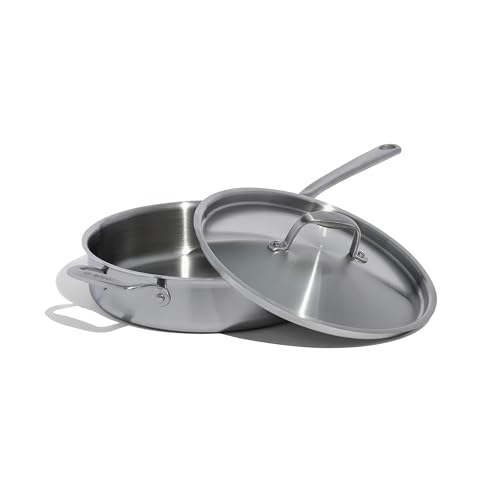
What Makes It Stand Out / Key Features
- Five-ply stainless-steel build for layered heat spread.
- 3.5-quart capacity for family sides and one-pan meals.
- Flat base that sits on induction and other cooktops.
- Straight sides that help hold food and liquid.
- Stainless cooking surface with no nonstick coating to wear away.
What I Like
- The wide base gives meat and vegetables room to brown.
- The tall sides help keep oil and sauce in the pan.
- I can deglaze browned bits with stock or wine for a quick sauce.
- It handles more than one task, from searing to simmering.
- The stainless surface does not need seasoning.
- Its induction-ready base suits many modern kitchens.
What Could Be Better
- Stainless steel can stick if you add food before the pan is hot.
- It may feel heavy when full, especially with liquid inside.
- At 3.5 quarts, it may not suit very large batches.
My Recommendation
Choose it if you want a versatile pan for searing, sauces, and braises. Check current pricing and the maker’s care guidance before you buy.
| Best For | Why |
|---|---|
| One-pan meals | Straight sides hold food and sauce. |
| Induction users | The pan is listed as induction compatible. |
| Stainless-steel fans | The cooking surface needs no seasoning. |
Is a Wok Good?
Yes, if you often cook stir-fries or want to toss food over high heat. The Babish 14-inch carbon-steel wok has a flat base, so it can sit on many home stoves without a round wok ring. Its sloped sides make it easy to move food from the hot center to a cooler area near the rim. In the Saute Pan Vs Wok matchup, the wok is the more focused tool for fast cooking in batches. Carbon steel also heats and cools faster than a heavy, layered stainless pan, though results depend on your burner and how much food you add.
I like the wok shape when I cook vegetables in small batches. I can push the first batch up the sides, then give the next batch space in the center. That helps me avoid steaming everything at once. I also use a wok for noodles, fried rice, and quick scrambled eggs, though each dish benefits from a properly cared-for surface. Carbon steel needs seasoning and careful drying to help prevent rust. If you are used to putting every pan in the dishwasher, this one asks for more care.
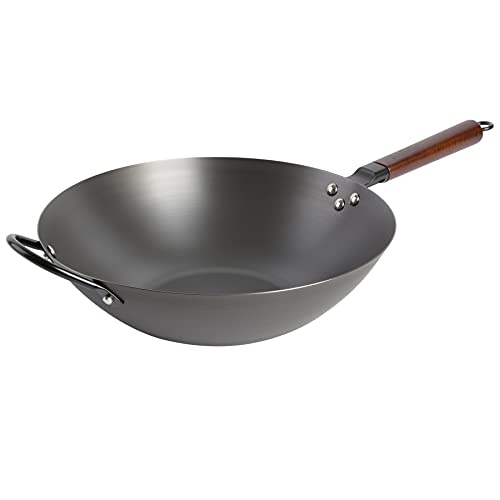
What Makes It Stand Out / Key Features
- 14-inch carbon-steel body for cooking generous portions.
- Flat base designed for common home cooktops.
- Sloped sides help you toss and shift food with ease.
- Carbon steel can build a seasoned surface with care.
- Wok shape creates a hot center and less-hot side areas.
What I Like
- The curved sides make it easy to toss vegetables and noodles.
- The wide opening gives me room to stir without spilling food.
- I can move cooked food up the sides while the center stays free.
- Carbon steel responds quickly when I adjust the heat.
- It suits stir-fries, fried rice, and other quick meals.
- The flat base is more practical for a home stove than a round base.
What Could Be Better
- Carbon steel needs seasoning and prompt drying to guard against rust.
- A 14-inch pan may be too wide for a small burner or sink.
- Home stoves may not heat the whole wok as evenly as a strong wok burner.
My Recommendation
Pick this wok if stir-fries are a regular part of your cooking and you do not mind seasoning it. Check the current price and care details before ordering.
| Best For | Why |
|---|---|
| Stir-fry fans | The sloped sides make tossing food simple. |
| Fast meals | Carbon steel reacts quickly to heat changes. |
| Cooks who like pan care | Seasoning can build a useful cooking surface. |
Saute Pan Vs Wok: Side-by-Side Test
The best choice depends on what you cook most. I compared the Saute Pan Vs Wok by looking at everyday tasks, from browning meat to cleaning up after dinner. These scores reflect how well each shape suits that task, not a lab test.
Cooking Functions: Which One Does More?
Both pans can cook a range of foods, but their shapes favor different jobs.
| Task | Sauté Pan | Wok |
|---|---|---|
| Sear meat | Broad flat base suits browning. | Hot center works well for small batches. |
| Make pan sauce | Straight sides hold liquid well. | Sloped sides make shallow sauces less handy. |
| Stir-fry vegetables | Works, but food may be harder to toss. | Sloped sides suit tossing and stirring. |
| Simmer a dish | Steady shape works well for many sauces. | Can simmer, but its shape is less suited to deep liquid. |
Rating: Sauté pan – 9/10 | Wok – 8/10
The sauté pan has the edge for varied meals, while the wok is better for quick stir-fries.
Heat and Browning: Which Gets Better Results?
Heat depends on your stove, pan size, and how much food you add.
| Feature | Sauté Pan | Wok |
|---|---|---|
| Base shape | Wide, flat cooking area. | Flat base with sloped sides. |
| Heat response | Five-ply build is designed to spread heat. | Carbon steel responds quickly to heat changes. |
| Best browning area | Large flat area for several pieces. | Hot center works best with smaller batches. |
| Batch cooking | Good, within its 3.5-quart size. | Large opening helps, but the burner still matters. |
Rating: Sauté pan – 9/10 | Wok – 8/10
The sauté pan wins for steady contact with a flat base; the wok shines when you cook in small, fast batches.
Tossing and Stirring: Which Is Easier?
The pan’s shape affects how easily you can move food around.
| Use | Sauté Pan | Wok |
|---|---|---|
| Tossing food | Possible, but the straight sides limit the motion. | Sloped sides help keep food in the pan. |
| Stirring with a spatula | Easy across the flat base. | Easy to stir and sweep food up the sides. |
| Moving food aside | Less natural due to the upright walls. | Simple to push food up the curved sides. |
| Keeping food contained | Tall sides help limit spills. | Wide shape needs a steady hand when tossing. |
Rating: Sauté pan – 7/10 | Wok – 10/10
The wok has the edge because its curved sides make tossing and shifting food feel natural.
Care and Cleanup: Which Is Simpler?
Neither pan is hard to clean, but carbon steel needs more care after use.
| Care Task | Sauté Pan | Wok |
|---|---|---|
| Before first use | Wash and dry as directed. | Follow the maker’s seasoning instructions. |
| After cooking | Wash and dry the stainless surface. | Clean, dry promptly, and follow care guidance. |
| Rust concern | Low with normal care. | Needs prompt drying to help prevent rust. |
| Learning curve | Learn heat control to reduce sticking. | Learn seasoning and heat control. |
Rating: Sauté pan – 9/10 | Wok – 7/10
The sauté pan is easier to maintain because it does not need seasoning.
Stovetop Fit: Which Suits More Kitchens?
Check your burner size and cooktop type before choosing either pan.
| Feature | Sauté Pan | Wok |
|---|---|---|
| Induction use | Listed as induction compatible. | Check the product listing and your cooktop requirements. |
| Burner contact | Flat base makes broad contact. | Flat base sits on many home stoves. |
| Small kitchen fit | 3.5-quart size may be easier to store. | 14-inch width may take more room. |
| Best burner match | Works well when the burner suits the base. | A strong burner helps heat the center for stir-frying. |
Rating: Sauté pan – 9/10 | Wok – 8/10
The sauté pan suits more cooktops with less fuss, while the wok needs enough burner space and heat.
Value and Versatility: Which Is Worth It?
Value comes down to how often you will use the pan’s main strengths.
| Value Point | Sauté Pan | Wok |
|---|---|---|
| Range of dishes | Useful for searing, sauces, and simmering. | Best for stir-fries and fast meals. |
| Care demands | Simple routine for stainless steel. | Needs seasoning and careful drying. |
| Best use frequency | Good for cooks who use one pan often. | Great if stir-fries are a regular meal. |
| Buying advice | Compare its price with other stainless pans. | Compare price and care needs with other carbon-steel woks. |
Rating: Sauté pan – 9/10 | Wok – 8/10
The sauté pan offers broader everyday use; the wok is strong value if you cook stir-fries often.
Final Verdict: Which Should You Buy?
Choose a sauté pan if you want one pan for browning, sauces, and simmering. It suits cooks who value a simple care routine and a flat base.
Choose a wok if you often make stir-fries and enjoy tossing food over high heat. It asks for more care, but its shape is hard to beat for that job. In the Saute Pan Vs Wok decision, let your most common meals guide you.
FAQs Of Saute Pan Vs Wok
What is the main difference between a sauté pan and a wok?
A sauté pan has a flat base and straight sides. A wok has a flat base with sloped sides that help you toss food.
Can I use a sauté pan for stir-fry?
Yes. Cut food into small pieces, avoid crowding the pan, and cook in batches if needed. A wok makes tossing easier.
Is a wok better for all high-heat cooking?
No. A wok is handy for quick stir-fries, but a sauté pan gives more flat contact for searing larger pieces of food.
Which pan is easier to care for?
The stainless-steel sauté pan is usually easier. Carbon steel needs seasoning and prompt drying to help prevent rust.
Which should I buy for an induction stove?
The Made In sauté pan is listed as induction compatible. For the Babish wok, check the current product details and your cooktop’s requirements before buying.