
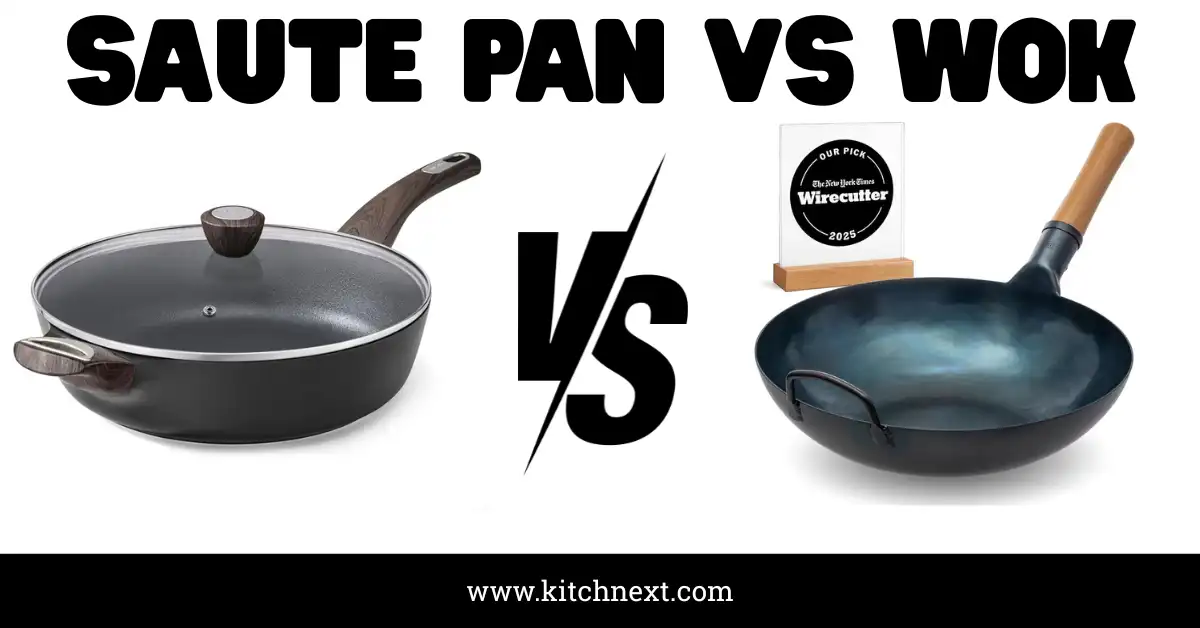
When you step into the kitchen, choosing the right pan can make all the difference in your cooking. But how do you decide between a sauté pan and a wok?
Both have their strengths, and knowing which one fits your style can change the way your dishes turn out. Whether you want crisp stir-fries or perfectly seared meats, understanding these pans will help you cook smarter and tastier. Keep reading, and you’ll discover which pan deserves a spot in your kitchen—and why it might just become your new favorite tool.
Table of Contents
Design Differences
The design of a sauté pan and a wok plays a big role in how each cooks food. Their shapes and materials make them good for different types of cooking. Understanding these design differences helps you choose the right pan for your kitchen.
Shape And Size
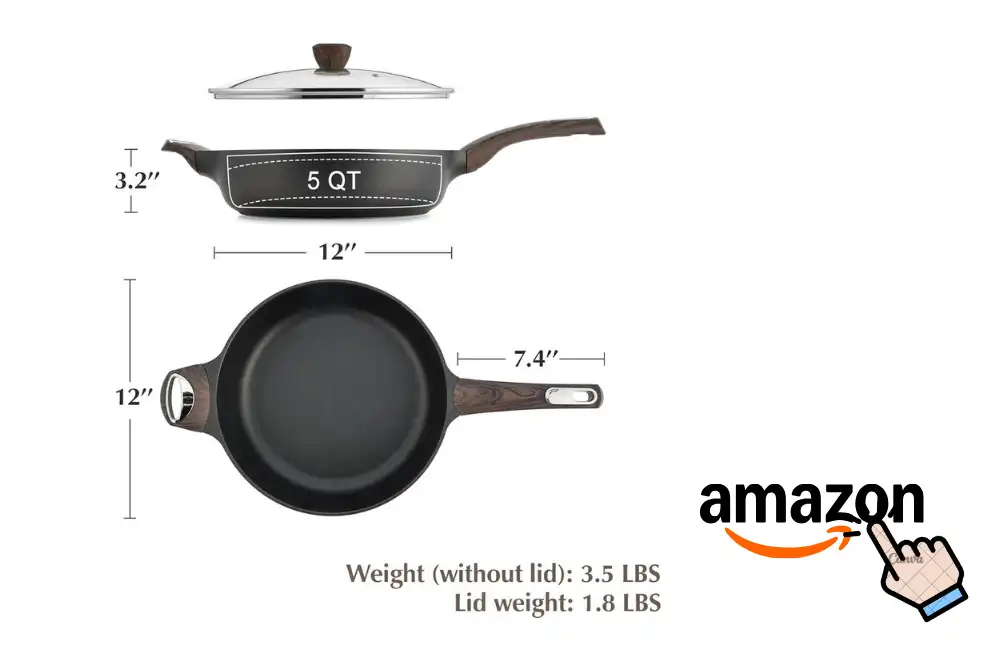
A sauté pan has straight, tall sides and a flat bottom. This shape holds liquids well and lets you cook food evenly. It usually has a large surface area for browning and searing.
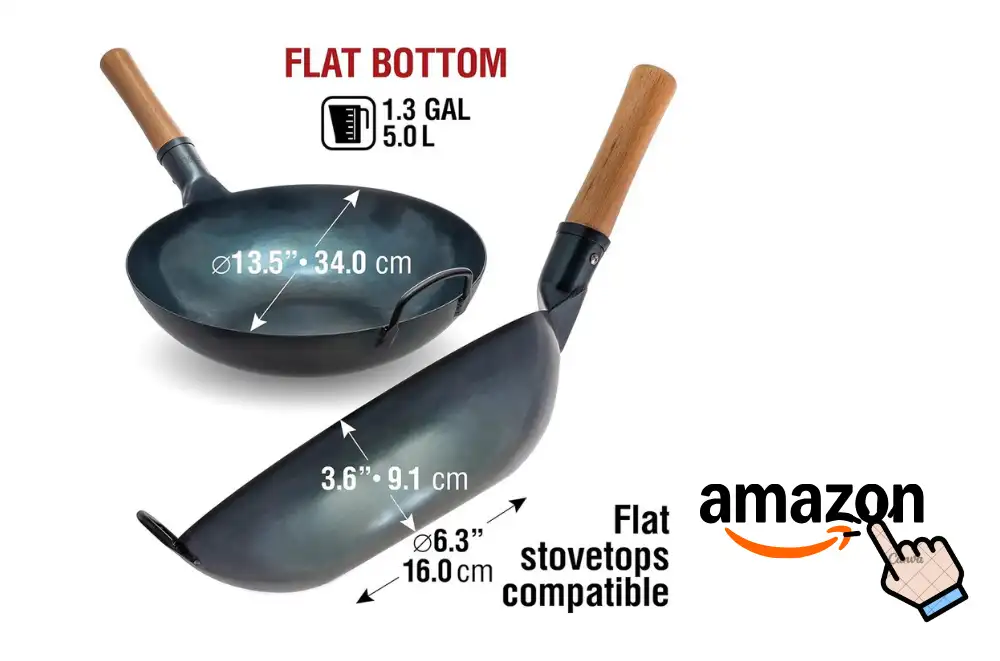
A wok has a round bottom and high, sloped sides. This shape helps toss food quickly and cook it with less oil. The sloped sides make stirring easy and allow heat to spread fast.
Sauté pans tend to be wider and shallower. Woks are deeper and narrower at the bottom. The size affects how much food you can cook and the cooking style.
Material Variations
Sauté pans are often made from stainless steel or aluminum with non-stick coatings. These materials heat evenly and are easy to clean. They work well for slow cooking and sauces.
Woks are usually made of carbon steel or cast iron. These materials heat quickly and hold high temperatures well. They get better with use as they develop a natural non-stick surface.
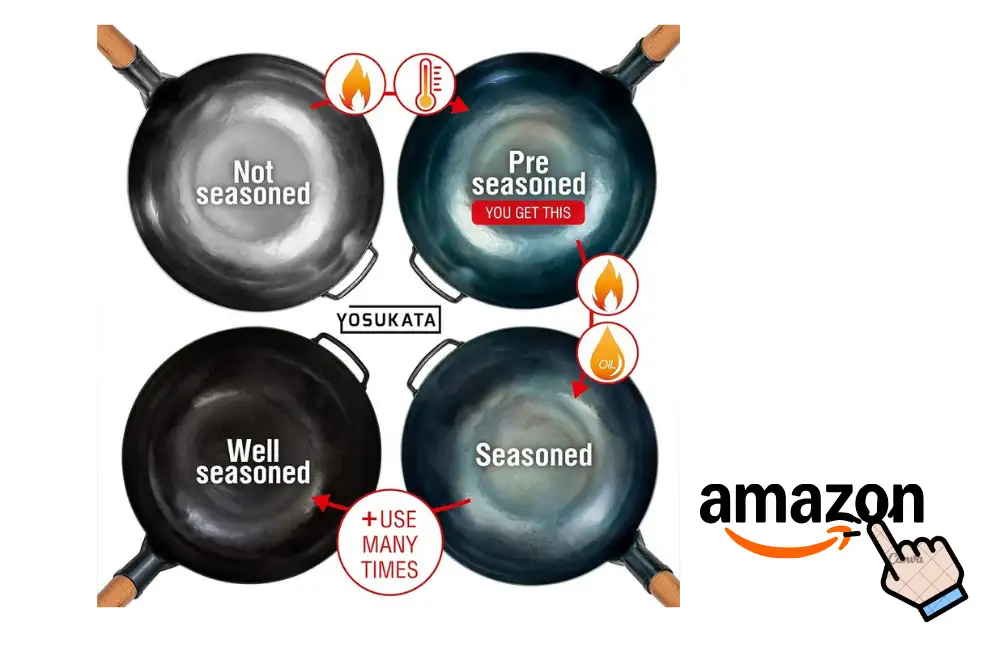
The choice of material affects durability and cooking speed. Carbon steel woks need seasoning. Stainless steel sauté pans need less care but heat more slowly.
Heat Distribution
Heat distribution plays a key role in cooking with both saute pans and woks. How heat spreads across the cooking surface affects cooking speed and food texture. Each pan type has unique heat features that suit different recipes and cooking styles.
Understanding heat distribution helps you choose the right pan and get better cooking results.
Cooking Surface Temperature
Saute pans have a flat, wide surface that heats evenly. This allows food to cook at a steady temperature. The flat base touches the heat source fully, so the temperature stays consistent.
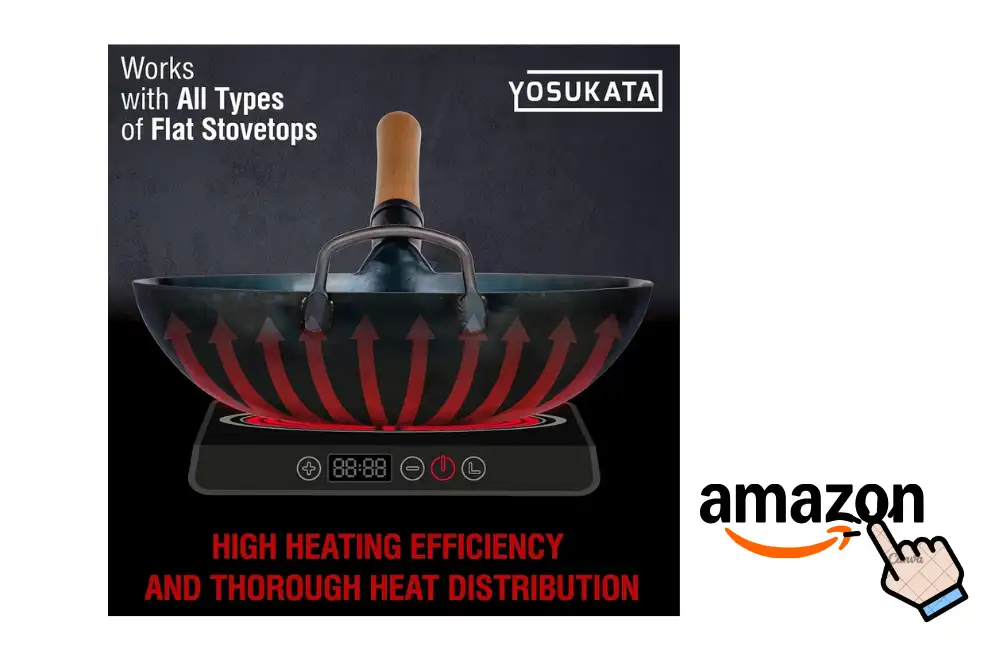
Woks have a rounded bottom that heats more at the base. The sides heat less but quickly. This creates hot spots and cooler areas, ideal for stir-frying in small batches.
Heat Retention
Saute pans hold heat well due to their thick, heavy base. The heat stays steady even when adding cold ingredients. This helps keep the cooking temperature steady.
Woks heat up fast but lose heat quickly too. Their thin metal and shape allow quick temperature changes. This makes them great for fast cooking but needs constant heat control.
Cooking Techniques
Cooking techniques define how you use your pan or wok. Each tool suits different methods. Knowing these helps you cook better meals. The saute pan and wok shine in unique ways.
Searing And Frying
The saute pan is perfect for searing meat and frying food. Its flat bottom heats evenly. It keeps food in contact with heat. This creates a nice crust on meat.
Frying in a saute pan uses less oil. The deep sides hold splatters well. It works great for cooking foods that need steady heat. Think chicken breasts, fish, or vegetables.
Stir-frying And Tossing
The wok’s shape suits stir-frying and tossing food quickly. Its wide top and sloped sides make stirring easy. You can move food fast without spilling.
Stir-frying uses very high heat for a short time. The wok’s design keeps food hot and cooks it evenly. Tossing helps coat food with sauces and oils.
This technique works best for small, uniform pieces of meat and veggies. The wok’s space lets steam escape, keeping food crisp.
Versatility In Recipes
Choosing between a saute pan and a wok often depends on the recipes you want to cook. Both tools have unique strengths that suit different cooking styles and dishes. Understanding their versatility helps you pick the right pan for your kitchen.
Suitable Dishes For Saute Pan
The saute pan is perfect for dishes needing even heat and gentle tossing. It works well for sauces, risottos, and braised meats. The flat bottom ensures good contact with the stove, making it great for searing chicken or fish. It also handles vegetables that need slow cooking or caramelizing. Thick stews and one-pan meals fit nicely in a saute pan.
Ideal Recipes For Wok
The wok shines in high-heat, fast cooking like stir-fries. Its sloped sides allow quick tossing and even heat distribution. Use a wok for fried rice, noodles, and stir-fried vegetables. It also suits deep frying due to its depth. The wok handles smoky, quick meals that keep food crisp and fresh. Great for Asian-inspired recipes and vibrant, colorful dishes.
Ease Of Use
Ease of use is a key factor when choosing between a sauté pan and a wok. Both have unique designs that affect how simple they are to handle and clean. Understanding these differences can help you pick the right pan for your cooking style.
Handling And Maneuverability
A sauté pan has a flat bottom and straight sides. This shape makes it easy to stir and flip food. The handle is usually long and sturdy, offering good control. Its weight is balanced, which helps during cooking.
A wok has a round bottom and high, sloping sides. This design allows quick tossing and stirring. It often has two small handles or one long handle. The curved shape can be tricky on flat stoves but is great for fast cooking. Learning to move food in a wok takes some practice.
Cleaning And Maintenance
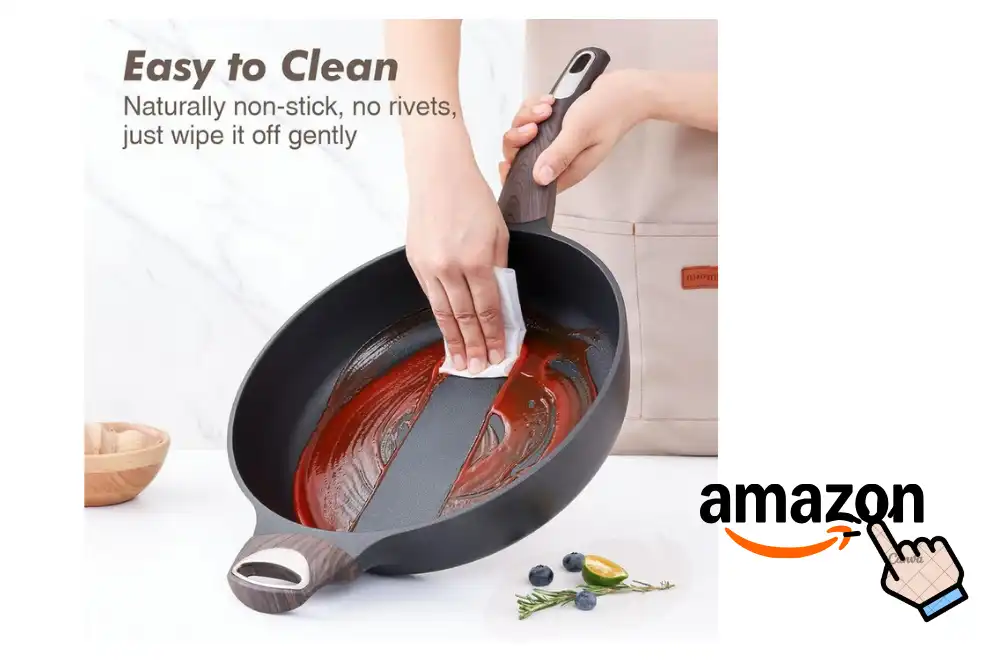
Sauté pans usually have a non-stick surface, making cleaning quick and easy. Most are dishwasher safe and require little effort to maintain. Avoid using metal tools to keep the surface smooth.
Woks often come in carbon steel or cast iron. These need seasoning to keep food from sticking. Cleaning requires hand washing with warm water and no soap. Proper care extends the life of a wok and improves its cooking performance.
Durability And Build Quality
Durability and build quality are key factors in choosing between a saute pan and a wok. Both tools must withstand high heat and constant use in the kitchen. The materials and construction affect how long they last and how well they perform over time.
Choosing a pan with strong build quality means fewer replacements and better cooking results. Understanding the differences in material longevity and resistance to wear helps pick the right pan for your needs.
Material Longevity
Saute pans often use stainless steel or hard-anodized aluminum. These materials resist rust and corrosion well. Stainless steel pans can last many years with proper care. Hard-anodized aluminum offers good durability and heats evenly.
Woks are usually made of carbon steel or cast iron. Carbon steel woks get stronger with use if seasoned well. Cast iron woks can last for decades but need regular maintenance. Both materials develop a natural non-stick surface over time.
Resistance To Wear
Saute pans with stainless steel handles resist bending and breaking. Their flat bottoms avoid warping on electric or induction stoves. Hard-anodized pans resist scratches better than non-stick coatings.
Woks face more wear from high heat and constant stirring. Carbon steel woks are flexible and resist dents. Cast iron woks are heavy but tough against chipping. Proper seasoning protects the surface from rust and damage.
Price And Value
Choosing between a sauté pan and a wok often depends on price and value. Both pans serve different cooking needs. Understanding their costs helps you decide which fits your kitchen and budget better.
Cost Comparison
Sauté pans usually cost more than basic woks. A good sauté pan made of stainless steel or non-stick materials can be pricey. Woks come in many styles, like carbon steel or cast iron. Basic carbon steel woks are often cheaper than high-end sauté pans.
Woks may need extra tools like a wok ring or lid, adding to the price. Sauté pans often come with lids included. This can affect the overall cost and convenience.
Long-term Investment
Durability matters for long-term value. Stainless steel sauté pans last long and resist rust. They keep their shape and cooking performance over time.
Carbon steel woks need seasoning and care but can last decades. They improve with use and develop a natural non-stick surface. Cast iron woks are heavier but very durable.
Choosing a pan you use often brings more value. A sauté pan works well for many recipes, making it a versatile investment. A wok excels at high-heat cooking and stir-frying, ideal for specific dishes.
Choosing The Right Pan
Choosing the right pan can change how you cook every day. Both saute pans and woks have special uses. Picking one depends on your kitchen and how you like to cook. This section helps you decide which pan fits you best.
Kitchen Space Considerations
Space in your kitchen matters a lot. Saute pans are usually wider and take more room. Woks are tall and take less space across. If your kitchen is small, a wok might fit better.
Think about where you store your pans. Saute pans stack easily with other pots. Woks need more vertical space for storage. Choose a pan that fits your kitchen shelves or cabinets well.
Personal Cooking Style
How you cook guides your pan choice. Saute pans are good for dishes that need even heat and gentle stirring. They work well for sauces and frying.
Woks excel at quick cooking with high heat. They are perfect for stir-frying vegetables and meats fast. If you like fast meals with a bit of char, a wok is ideal.
Consider how much food you cook. Saute pans handle bigger portions evenly. Woks allow tossing food easily, great for mixed dishes.
FAQ: Saute Pan Vs Wok
What Is The Main Difference Between A Saute Pan And A Wok?
A saute pan has straight sides and a flat bottom. A wok has sloped sides and a round bottom. This affects how heat is distributed and food is cooked.
Which Pan Is Better For Stir-frying Vegetables?
A wok is better for stir-frying due to its high, sloped sides. It allows fast cooking with less oil. A saute pan works but cooks slower.
Can I Use A Saute Pan Instead Of A Wok?
Yes, but cooking style changes. Saute pans hold heat evenly for slow cooking. Woks cook fast with high heat and quick stirring.
Which Pan Is Easier To Clean And Maintain?
Saute pans are usually easier to clean because of their flat shape. Woks can be tricky due to their curved sides. Both need proper care.
Is A Wok Suitable For All Stovetops?
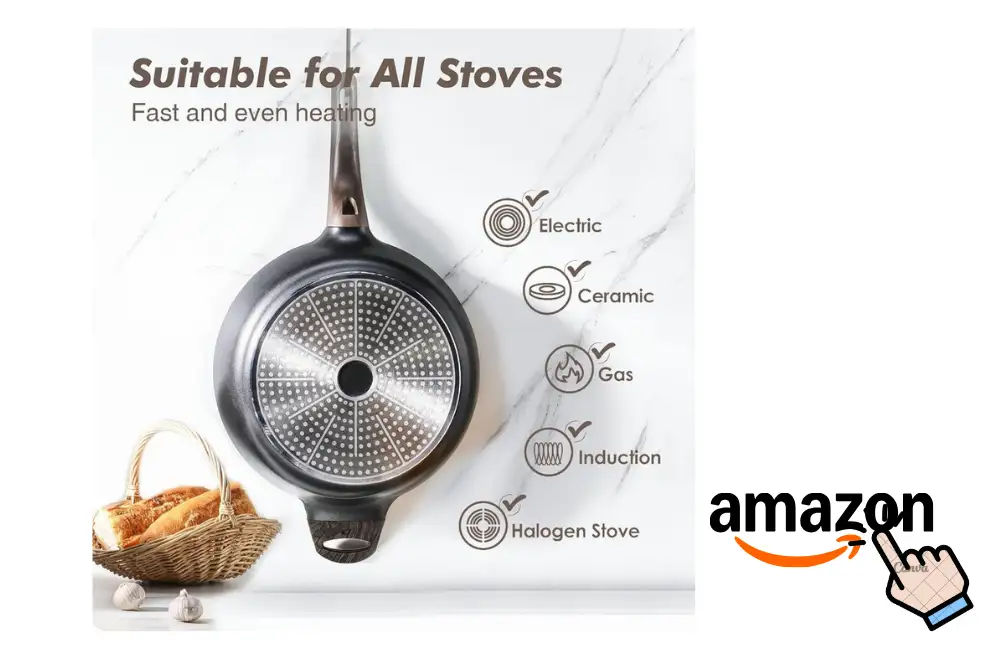
Woks with flat bottoms work well on most stoves. Round-bottom woks need special ring supports or gas stoves. Choose based on your cooktop type.
Conclusion
Choosing between a sauté pan and a wok depends on your cooking style. A sauté pan works well for frying and simmering. A wok is best for quick stir-frying and high heat cooking. Both pans have unique shapes and uses.
Keep your cooking needs in mind when deciding. Either pan can help you prepare tasty meals at home. Try both to see which fits your kitchen best. Simple tools can create great food.