
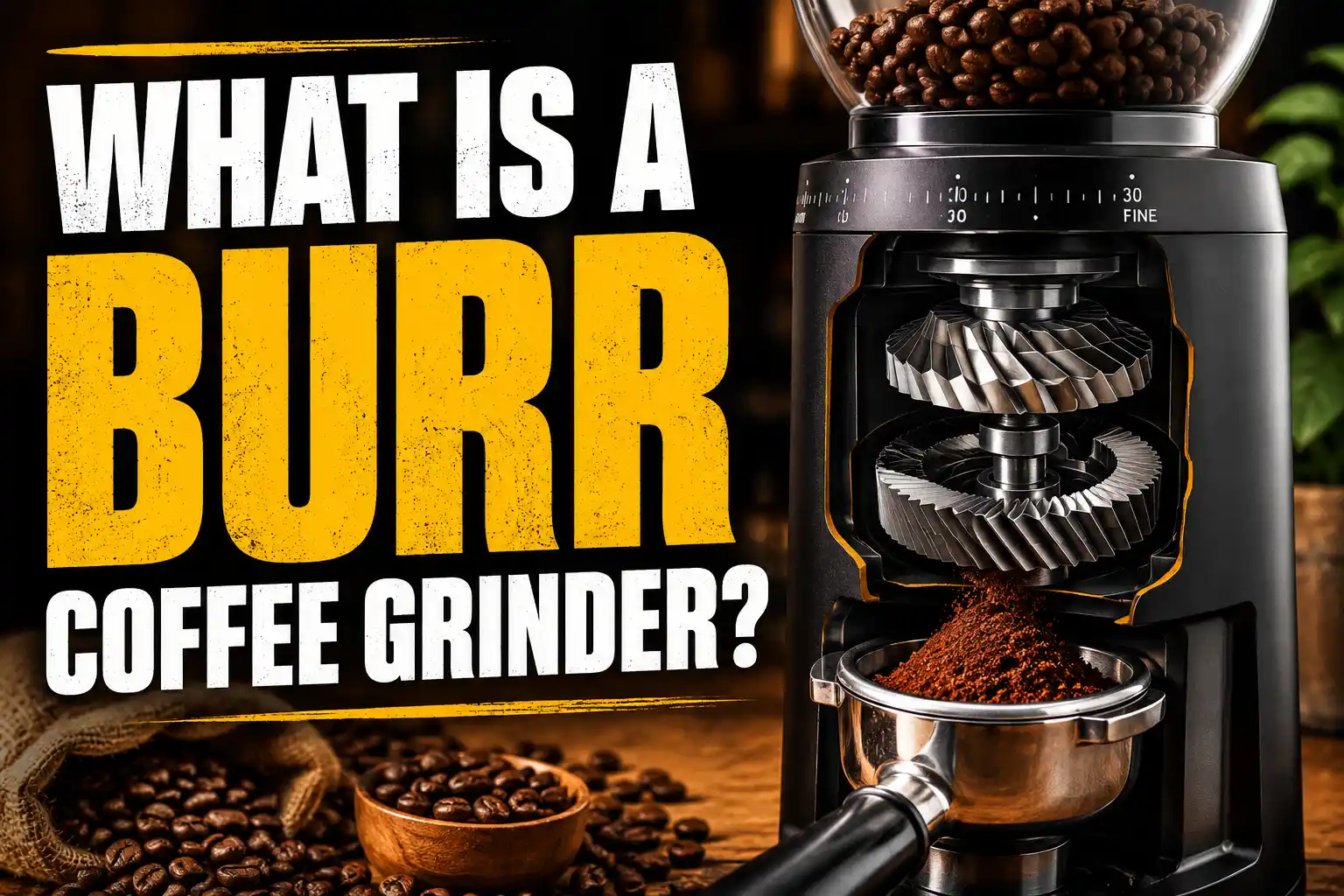
I used to make terrible coffee at home. Not “could be better” coffee. I mean truly bad, bitter, sad coffee that I drank only because I needed caffeine. Then one Saturday morning, my neighbor handed me a cup from his kitchen, and I froze after the first sip. It tasted like something from a specialty café. I asked what he did differently. He pointed to a small machine on his counter and said, “That’s a burr grinder. Change your grinder, change your life.”
He was not wrong.
Table of Contents
What Is a Burr Coffee Grinder, Really?
A burr coffee grinder is a machine that uses two rough, abrasive surfaces — called burrs — to crush coffee beans into even pieces. One burr stays still. The other spins. Beans fall between them and get ground down to a size you control.
That is the core idea. Simple, right?
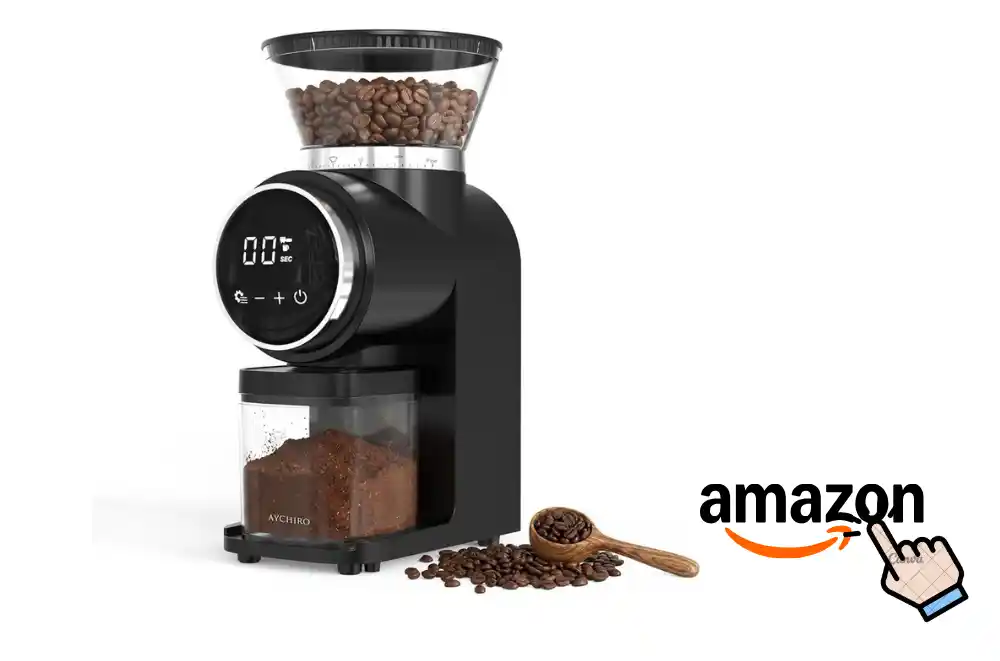
But what makes it so different from the cheap blade grinder most of us start with is consistency. A blade grinder chops beans randomly, like a blender. You get a mix of dust and big chunks in the same batch. That means some coffee over-extracts (turns bitter) while some under-extracts (turns sour) — all in the same cup. A burr grinder does not chop. It crushes. Every particle comes out close to the same size, so water pulls flavor from each piece evenly. The result tastes clean, smooth, and balanced.
The Two Types of Burr Grinders You Will Actually See
Not all burr grinders work the same way. There are two main types, and each has a different personality.
Flat Burr Grinders
Flat burrs look like two rings facing each other. Beans pass through the gap between the rings and come out the sides. These grinders tend to produce very uniform grinds. Many high-end espresso machines and café setups use flat burrs. They run hotter and can be louder, but the precision they deliver is hard to beat. If you are chasing espresso perfection, flat burrs are worth your attention.
Conical Burr Grinders
Conical burrs use a cone shape that sits inside a ring. The bean travels down and gets ground as it moves through the gap. These are the most common type for home use. They run cooler, which preserves aromatic oils in the bean. They are also quieter and easier to clean. I use a conical burr grinder every morning, and it has never let me down.
| Feature | Flat Burr | Conical Burr |
| Grind Consistency | Very high | High |
| Heat Generated | More | Less |
| Noise Level | Louder | Quieter |
| Best For | Espresso | All brew methods |
| Price Range | Higher | Wide range |
| Home Friendliness | Moderate | Very good |
Why I Stopped Using a Blade Grinder
I had a blade grinder for three years. It cost me about twelve dollars, and I thought I was saving money. I was not.
Every morning I would grind my beans for a few seconds, shake the grinder, grind again, and hope for the best. The coffee was never consistent. Some days it tasted okay. Most days it tasted flat or harsh. I blamed the beans. I blamed my coffee maker. It took me embarrassingly long to realize the problem was the grinder.
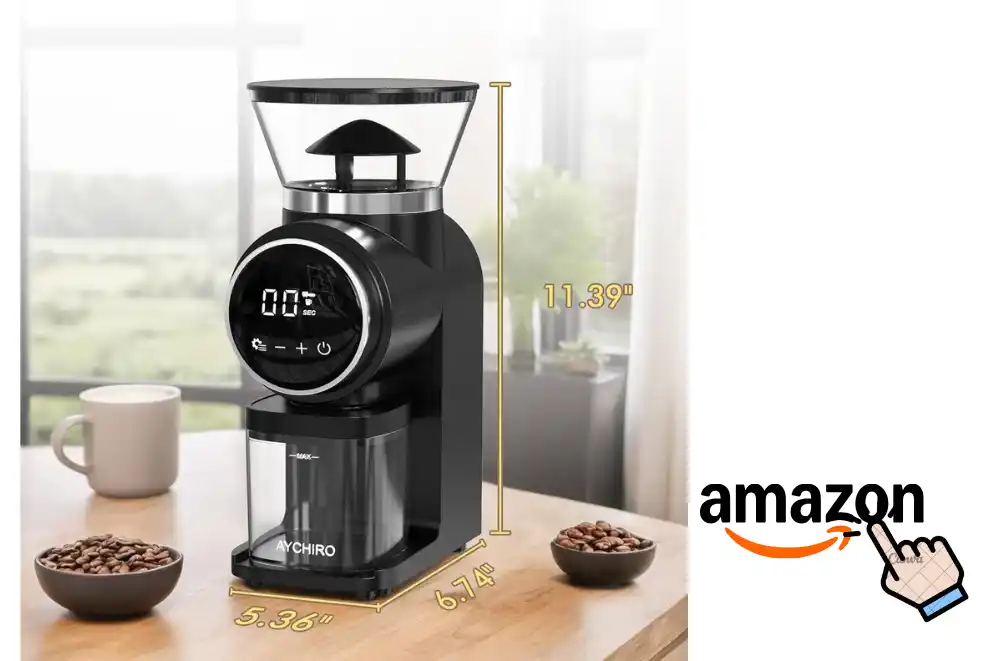
The day I switched to a burr grinder, I used the same beans, the same water, the same ratio. The coffee tasted completely different. Smoother. More complex. I could actually taste the notes the bag described. It felt a little ridiculous that one machine swap made such a big difference.
How Grind Size Affects Your Brew
This is where a burr coffee grinder really earns its place. You can adjust how fine or coarse the grind is, and that changes everything about how your coffee tastes.
| Brew Method | Grind Size | Why It Matters |
| Espresso | Extra fine | High pressure needs tiny particles |
| Moka Pot | Fine | Dense pack for steam brewing |
| Drip Coffee Maker | Medium | Standard filter needs even flow |
| Pour Over | Medium-fine | Controlled pour needs balance |
| French Press | Coarse | Long steep needs big pieces |
| Cold Brew | Extra coarse | Long steep, no heat |
With a blade grinder, you cannot control grind size. You just grind and hope. With a burr grinder, you dial in exactly what you need. If your espresso tastes sour, you go finer. If it tastes bitter, you go coarser. You have real control, and that control matters more than most people think.
Manual vs Electric Burr Grinders
When I first looked at burr grinders, the prices scared me. Good electric models can cost anywhere from $50 to several hundred dollars. Then I discovered manual burr grinders, and everything changed.
A manual burr grinder uses the same crushing mechanism but needs you to turn a handle. They are small, quiet, and surprisingly affordable. I kept one at my desk at work for months. Grinding thirty grams of beans took about forty-five seconds. It became a small morning ritual I actually enjoyed.
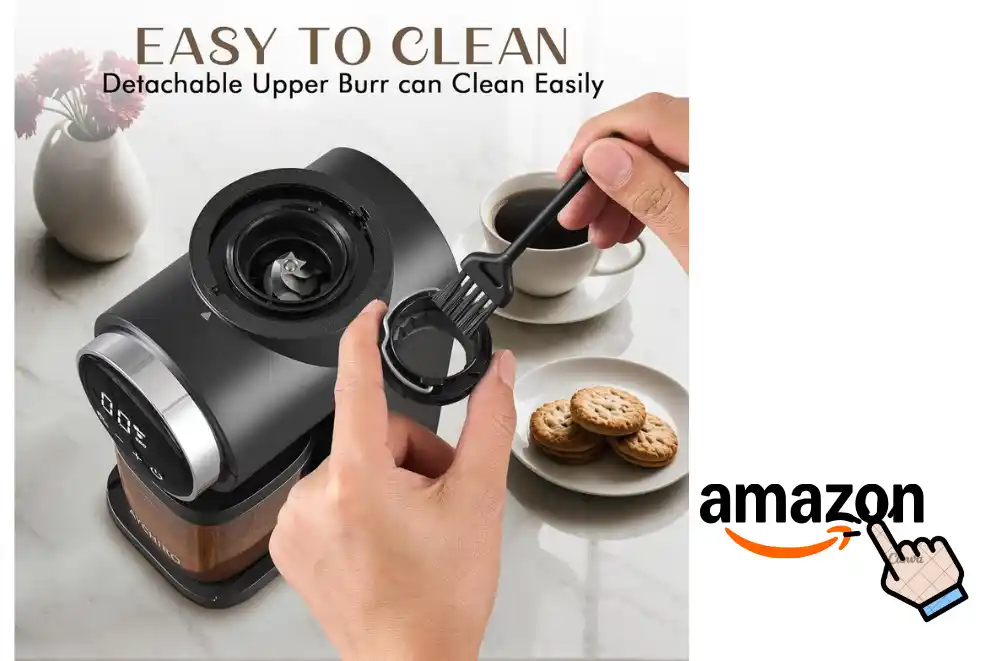
Electric burr grinders are faster and easier, especially when you are half-awake at 6 AM. They are better for households that grind large amounts or for people who want zero effort in the morning.
If you are just starting out or on a tight budget, a manual burr grinder around $30 to $50 is a genuine upgrade over any blade grinder. If you are ready to invest, an electric model around $100 to $150 opens up a lot of consistency and convenience.
What I Noticed After Switching
Here is what actually changed for me day to day, because I think this is more useful than just reading specs.
The first thing I noticed was the smell. When I ground beans in my burr grinder for the first time, the kitchen smelled incredible. Rich, full, almost chocolatey. I realized my blade grinder was burning some of those aromatics with heat and friction. The burr grinder was gentler, and the beans thanked me for it.
The second thing was quiet satisfaction in the routine. I know that sounds a little dramatic, but there is something grounding about grinding fresh beans in the morning with a machine that actually works well. It takes maybe thirty seconds. It is simple. And the coffee that comes out of it is reliably good, which matters a lot when your day is about to start.
The third thing was money. I stopped buying coffee from cafés every morning. Not because I was forcing myself to, but because what I made at home was genuinely as good or better. A bag of quality whole beans at home costs far less per cup than a café drink. The grinder paid for itself within a few months.
Common Mistakes People Make With Burr Grinders
I made most of these mistakes myself, so no judgment here.
The biggest one is not cleaning the grinder regularly. Old coffee oils go rancid over time. They build up in the burrs and add a stale, bitter taste to fresh beans. I clean my grinder once a week with a dry brush and run a handful of plain white rice through it once a month to clear out residue.
The second mistake is buying pre-ground coffee and putting it in the hopper. The whole point of a burr grinder is fresh grinding right before brewing. Pre-ground coffee starts losing flavor within minutes of being ground. If you have a good grinder, buy whole beans and grind fresh every time.
The third mistake is not adjusting the grind for your brew method. Most beginners set the grinder once and never touch it again. But different coffees and different brew methods need different settings. Take five minutes to experiment, and you will be surprised what you find.
Is a Burr Coffee Grinder Worth It?
Yes. Without hesitation.
If you drink coffee at home more than a few times a week, a burr grinder is the single best upgrade you can make. Better than a fancy coffee maker. Better than expensive beans. Better than filtered water, though that helps too. The grinder is where flavor consistency starts, and without it, every other improvement you make hits a ceiling.
I am not trying to sell you anything. I am just telling you what I experienced. Saturday morning my neighbor made me that cup of coffee that changed how I think about something I do every single day. A burr grinder did that. It is a small machine with a big impact, and if you have never tried one, you are probably missing out on what your coffee could actually taste like.
Go try one. You can thank your neighbor later.
FAQ: What Is a Burr Coffee Grinder?
Q1. What is a burr coffee grinder and how is it different from a blade grinder?
A burr coffee grinder uses two abrasive surfaces to crush beans into even pieces. A blade grinder just chops randomly, giving you uneven chunks and dust in the same batch. Even grind size means better, more consistent coffee every single time.
Q2. Which type of burr grinder is better for home use — flat or conical?
Conical burr grinders are the better pick for most home kitchens. They run cooler, make less noise, and are easier to clean than flat burr models. They also work well for drip, pour over, French press, and more — not just espresso.
Q3. How often should I clean my burr grinder to keep it working well?
Give it a quick brush-out once a week to clear built-up coffee oils. Run a small handful of plain white rice through it once a month to scrub the burrs clean. Skipping this step leads to stale, bitter-tasting coffee even with fresh beans.
Q4. Is a manual burr grinder worth it, or should I just buy an electric one?
A manual burr grinder is a real upgrade from any blade grinder and costs as little as $30 to $50. It takes about 45 seconds to grind a full dose, which is fine for one or two cups. If you grind for a whole household every morning, an electric model saves you time and effort.
Q5. Can I use a burr grinder for espresso, French press, and drip coffee?
Yes — that is one of the best things about a burr coffee grinder. You adjust the burr gap to change grind size extra fine for espresso, medium for drip, coarse for French press. One grinder handles every brew method you own, which makes it a smart, long-term kitchen tool.