

I still remember my first attempt to grind coffee beans at home. It was a Tuesday morning. I had just bought a bag of whole beans from a local roaster. I was excited. I tossed them into my blender and hit the pulse. What came out looked like a mix of dust and tiny rocks. My cup tasted terrible. That morning taught me everything I needed to know about why grinding matters.
If you are new to home brewing, this guide is for you. I am going to share exactly how to grind coffee beans the right way. No jargon. No fluff. Just what I figured out after many failed cups and a lot of trial and error.
Table of Contents
Why Grinding Coffee Beans at Home Changes Everything
Store-bought pre-ground coffee is convenient. I get it. But it goes stale fast. Once you grind coffee, it starts losing flavor within 30 minutes. That is not a joke. Ground coffee exposes more surface area to air, and oxidation kills the taste quickly.
When I switched to grinding whole beans fresh each morning, the difference was immediate. My coffee smelled better. It tasted brighter. The flavors were cleaner. My old blender coffee never did that for me.
Whole bean coffee also gives you control. You can grind it coarse for a French press or fine for espresso. That flexibility is a game changer.
Types of Coffee Grinders You Should Know About
Before you learn how to grind coffee beans, you need the right tool. I have used three types of grinders over the years. Each one taught me something different.
Blade Grinders
This is what most people start with. It is cheap and easy to find. A spinning blade chops the beans. The problem is that it does not grind evenly. You get a mix of fine powder and large chunks. That leads to uneven extraction and a bitter or weak cup.
I used a blade grinder for six months. My coffee was okay but never great. Once I understood why, I moved on.
<<Get Amazon For This Product>>
Burr Grinders
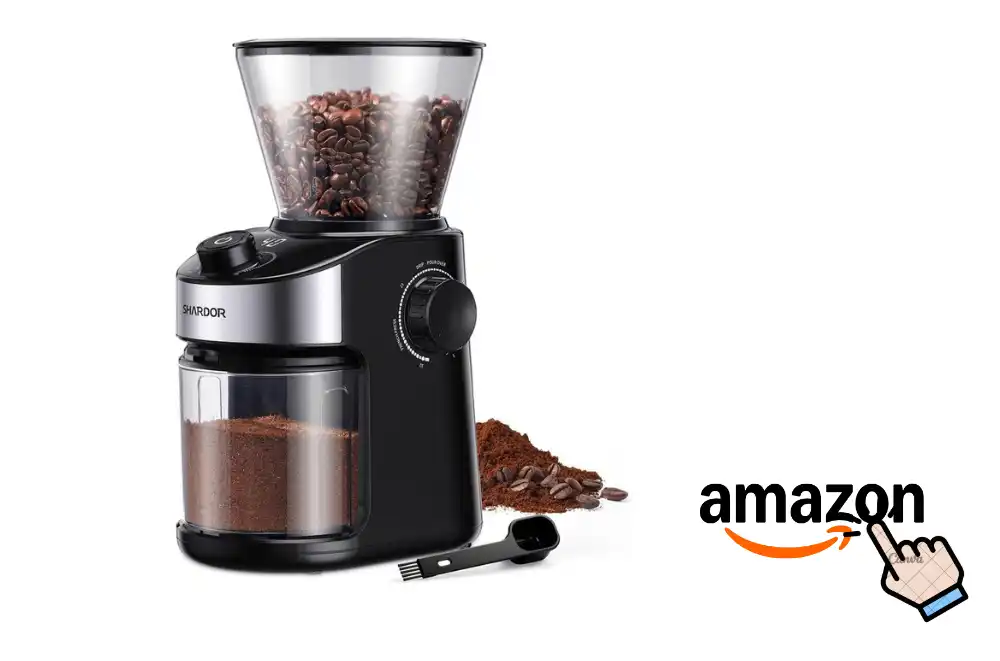
This is where things get serious. A burr grinder uses two abrasive surfaces to crush beans to a consistent size. You get uniform grounds every time. That means even extraction and a much better cup.
There are two types: flat burr and conical burr. Conical burr grinders are quieter and produce less heat. Flat burr grinders are often found in commercial settings. For home use, a conical burr grinder is the best choice.
I bought a mid-range conical burr grinder two years ago. It changed my mornings completely. I use it every single day.
<<Get Amazon For This Product>>
Manual Hand Grinders
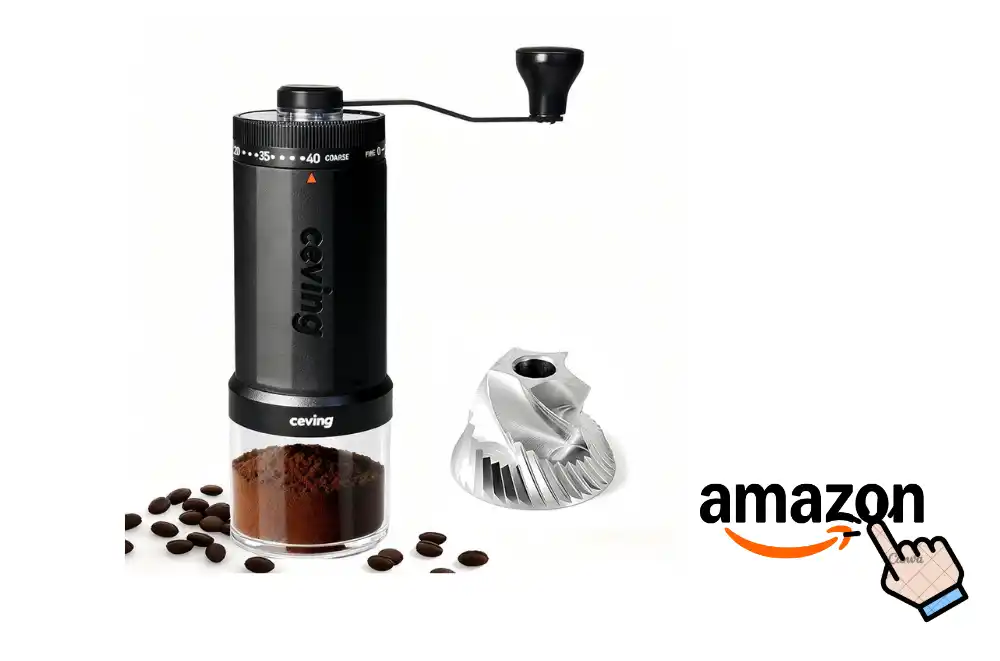
These are small, portable, and surprisingly effective. You turn a handle to grind the beans. It takes a few minutes and a bit of arm effort. But the grind quality is excellent, often better than electric blade grinders at a similar price.
I travel with a hand grinder now. It fits in my bag and makes great coffee anywhere I go.
<<Get Amazon For This Product>>
How to Grind Coffee Beans Step by Step
Now let me walk you through the process I follow every morning. This works whether you use a burr grinder or a hand grinder.
Step 1: Measure Your Beans
I use a kitchen scale. The standard ratio is 1 to 2 tablespoons of coffee per 6 ounces of water. But I prefer to weigh it. I use 15 grams of beans per 250 ml of water. That gives me a balanced, flavorful cup every time.
Do not eyeball it at first. Measuring helps you repeat what works and fix what does not.
Step 2: Choose Your Grind Size
This is the most important part of learning how to grind coffee beans. The grind size depends on your brew method. Here is a simple table to guide you:
| Brew Method | Grind Size | Texture Feel |
| French Press | Coarse | Like sea salt |
| Pour Over | Medium | Like table salt |
| Drip Coffee Maker | Medium | Like sand |
| AeroPress | Medium Fine | Slightly gritty |
| Espresso | Fine | Like powdered sugar |
| Turkish Coffee | Extra Fine | Like flour |
I use a pour over most mornings. Medium grind works perfectly for that. When I switched from medium fine to medium, my coffee got noticeably less bitter. That one change made a huge difference.
Step 3: Set Your Grinder
If you have a burr grinder, adjust the setting to your target grind size. Most grinders have a dial or ring with numbers. Lower numbers mean finer grinds. Higher numbers mean coarser grinds. Start in the middle and adjust from there based on taste.
If your coffee tastes sour, go finer. If it tastes bitter, go coarser. It really is that simple once you get the hang of it.
Step 4: Grind Fresh Before Each Brew
I grind right before I brew. Always. Not the night before. Not an hour ahead. The moment I am ready to brew, I grind. This locks in the freshness and aroma that make great coffee worth making.
The smell alone when fresh grounds hit the air is worth it. My partner started waking up earlier just because of the smell. That is a true story.
Step 5: Clean Your Grinder Regularly
This one took me too long to learn. Old coffee oils build up in the grinder. They go rancid. They ruin the flavor of fresh beans. I clean my burr grinder once a week with a dry brush. Once a month, I run a few grinder cleaning tablets through it.
After my first deep clean, I was shocked at the difference. My coffee tasted cleaner and brighter right away. Do not skip this step.
Common Mistakes I Made When Learning to Grind Coffee Beans
Talking about mistakes is important here. I made all of these so you do not have to.
Using the Wrong Grind Size
I made French press coffee with a fine grind for weeks. It was always muddy and bitter. I thought my beans were bad. They were not. My grind was wrong. Matching grind size to brew method is the single most important skill you can develop.
Grinding Too Much at Once
I used to grind a whole week’s worth of coffee on Sunday. By Friday, it tasted flat and dull. Now I grind only what I need each day. Fresh grounds every morning make a big difference. Your taste buds will notice within a week of making the switch.
Ignoring Bean Quality
Grinding cannot fix bad beans. I learned this the hard way with a cheap supermarket brand. Even with a perfect grind, the cup was dull. Good grinding unlocks the potential of good beans. Buy the best beans you can afford from a local roaster or a specialty shop.
How Grind Size Affects Coffee Flavor
This is the science part, but I will keep it simple. When hot water meets coffee grounds, it pulls out flavors in a process called extraction. If your grind is too fine, water pulls out too much and the coffee tastes bitter. This is called over-extraction.
If your grind is too coarse, water passes through too fast and the coffee tastes sour and weak. This is called under-extraction.
The goal is a balanced extraction. The right grind size helps water do its job at the right speed. That is why grind size is everything.
Here is a quick reference I use when troubleshooting my cup:
| Taste Problem | Likely Cause | Fix |
| Too bitter | Over-extracted, grind too fine | Go coarser |
| Too sour or weak | Under-extracted, grind too coarse | Go finer |
| Muddy texture | Grind too fine or French press issue | Go coarser |
| Flat and dull | Coffee is stale | Buy fresher beans |
Best Practices I Follow Every Day
After years of grinding coffee beans at home, these are my non-negotiable habits.
I always store whole beans in an airtight container away from light and heat. I never put them in the fridge because moisture ruins them. I grind right before brewing every single time. I clean my grinder weekly without fail. I adjust my grind based on how the cup tastes, not just how it looks.
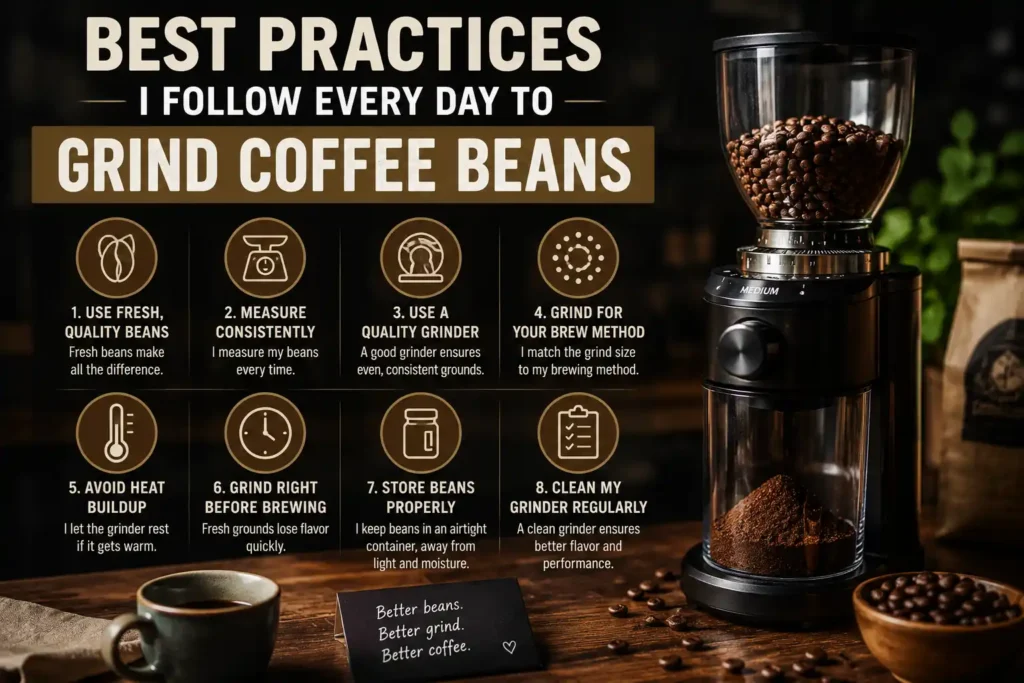
These habits took a few months to build. Now they feel as natural as brushing my teeth in the morning. The reward is a cup of coffee that genuinely makes me happy to be awake.
Final Thoughts on How to Grind Coffee Beans
Learning how to grind coffee beans properly is one of the best things I have done for my daily routine. It sounds small. But good coffee sets the tone for the whole day. Once you experience the difference between fresh-ground coffee and stale pre-ground coffee, you will never go back.
Start simple. Get a basic burr grinder. Match your grind size to your brew method. Grind fresh every morning. Adjust based on taste. That is truly all it takes.
Your first few cups might not be perfect. Mine were not either. But you will get there. And when you do, you will wonder how you ever drank anything else.
FAQ
What is the best type of grinder to use at home?
A conical burr grinder is the best choice for home use. It grinds beans evenly, runs quietly, and produces less heat than a blade grinder. Your cup will taste noticeably better from the very first use.
Does grind size really affect the taste of coffee?
Yes, grind size directly controls how much flavor water pulls from the beans. Too fine and your coffee turns bitter. Too coarse and it comes out sour and weak.
How often should I clean my coffee grinder?
Brush out your grinder once a week to remove old coffee oils. Run cleaning tablets through it once a month for a deeper clean. Skipping this step makes even fresh beans taste stale and flat.
Can I grind coffee beans in a blender instead of a grinder?
You can, but the results are uneven and inconsistent. A blender chops beans into a mix of dust and chunks, which leads to a bitter or muddy cup. A burr grinder is a much smarter long-term investment for daily use.
How far in advance should I grind my coffee beans?
Grind your beans right before you brew, every single time. Ground coffee starts losing its fresh flavor within 30 minutes of grinding. Grinding fresh each morning is the easiest way to get a better tasting cup without spending more money.