

I still remember the first morning I pulled out my Jura ENA Micro 90. It was a cold Sunday. I had just placed it on my kitchen counter. I was excited. I dropped in some beans, pressed a button, and waited.
The espresso came out thin and sour.
I stood there, confused. The machine was top-rated. The beans were fresh. So what went wrong? After a lot of trial and error, I figured it out. The answer was the grind. Getting the right grind of beans in the ENA Micro 90 for coffee changed everything for me. Now I want to share what I learned so you do not waste three bags of beans the way I did.
Table of Contents
Why Grind Size Matters So Much in the ENA Micro 90
The Jura ENA Micro 90 has a built-in grinder. This means it grinds whole beans fresh for every single cup. That sounds great, and it is. But it also means the grind setting has a huge impact on your cup.
Here is the simple truth. If your grind is too coarse, the water passes through too fast. You get a weak, watery cup. If it is too fine, the water gets stuck. You get a bitter, over-extracted shot. The sweet spot is in the middle, but it shifts depending on what drink you are making.
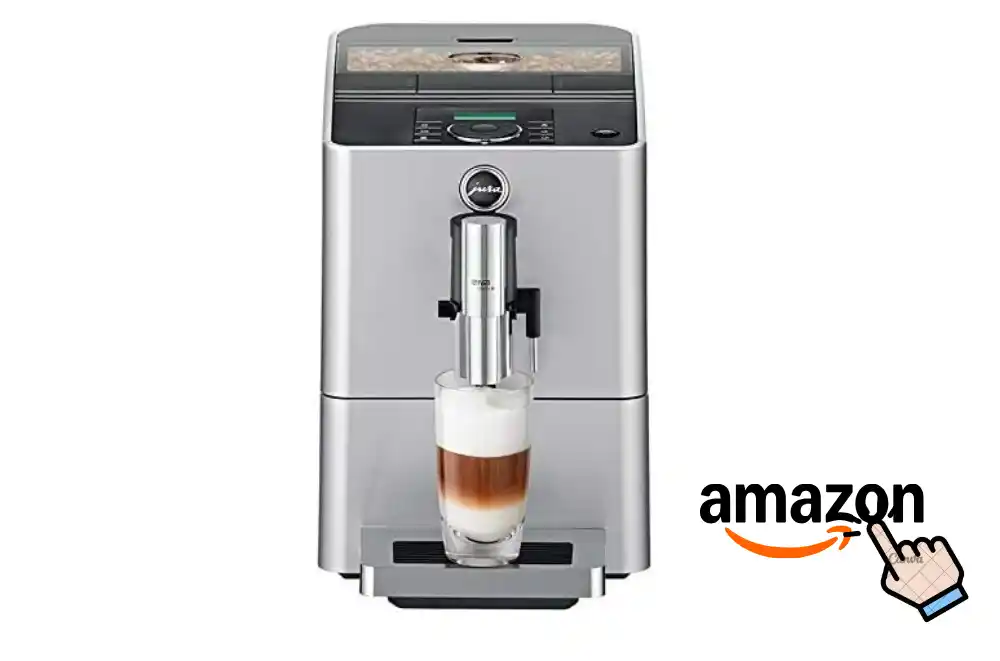
The machine uses a ceramic burr grinder. Ceramic burrs do not heat up the way steel ones do. That matters because heat affects flavor. So the grinder itself is good. You just need to set it right.
The grind dial is inside the bean hopper. You can only adjust it while the grinder is running. I made the mistake of turning it when the machine was off. It did nothing. Once I learned to adjust it during a brew cycle, things started to click.
The ENA Micro 90 Grind Settings Explained
The machine gives you five grind levels. Level 1 is the finest. Level 5 is the coarsest. Here is a quick breakdown of what I found works best for each drink type.
| Grind Level | Best For | Taste Result |
| 1 (Finest) | Espresso, ristretto | Rich, strong, full crema |
| 2 | Cappuccino, latte macchiato | Balanced and smooth |
| 3 (Middle) | Regular coffee (default) | Medium strength, clean |
| 4 | Mild coffee | Light, easy drinking |
| 5 (Coarsest) | Very mild or large cups | Gentle, low intensity |
I spent about two weeks testing every level. Level 3 is the factory default. For regular coffee, it is not bad. But for espresso, I had to drop to level 1 or 2. That made a real difference. The crema got thicker. The flavor got deeper.
What Type of Beans Work Best
Now let us talk about the beans themselves. The grind setting only works well if you start with the right beans.
The Jura manual is very clear on this. You should only use roasted, untreated whole beans. No flavored beans. No oily, wet-processed beans. Those can clog the grinder over time. I learned this the hard way when I tried a heavily coated “butterscotch espresso” blend. The grinder sounded different after two days. I had to clean it out.
For the best results, here is what I now stick to:
- Medium roast beans for regular coffee and long drinks
- Dark roast or espresso roast beans for espresso and milk drinks
- Single-origin beans when I want to taste something different on weekends
- Fresh beans — within two to three weeks of the roast date
One more thing. If you store your beans in the freezer, let them thaw for three to four hours before you fill the hopper. Cold beans can affect the grind and put stress on the burrs.
My Grind Setup for Each Drink
I want to get specific here because generic advice can only take you so far. This is what I personally use every day.
Espresso
I use a dark roast. I set the grind to level 1. I also bump the brew strength to “strong” in the machine settings. The result is a thick, aromatic espresso with a golden crema on top. It took me about a week to dial this in. Before that, my espresso was always too watery.
Regular Coffee
For my morning cup of coffee, I use a medium roast. Grind level 3 works fine here. I do not push it finer because regular coffee needs more water flow. A finer grind slows that down too much and makes the cup bitter.
Cappuccino and Latte Macchiato
I switched to grind level 2 for milk-based drinks. The espresso base needs to be stronger to cut through the milk. Level 2 gives me that without going too intense. I also use a medium-dark roast for these. It holds up well against the milk foam.
Grind Settings by Drink at a Glance
| Drink | Roast Type | Grind Level | Brew Strength |
| Espresso | Dark roast | 1 | Strong |
| Cappuccino | Medium-dark | 2 | Strong |
| Latte Macchiato | Medium-dark | 2 | Medium |
| Regular Coffee | Medium | 3 | Medium |
| Mild Coffee | Light or medium | 4 or 5 | Mild |
Use this table as your starting point. You may need to adjust by one level based on your specific beans. Every bean is a little different.
Common Mistakes I Made (So You Do Not Have To)
I want to be honest here. I made a lot of errors when I first got this machine. These are the ones that hurt my coffee the most.
Changing the grind too fast was my biggest issue. The machine does not update instantly. It can take one or two cups before the new grind comes through fully. I kept adjusting and adjusting and made things worse.
Using stale beans was another problem. I thought fresh-looking beans were fine. But beans that are more than four weeks past their roast date go flat. The grind setting cannot fix flat beans.
I also never cleaned the grinder for the first two months. Oils build up inside. They go rancid. Every cup tasted a little off and I could not figure out why. Regular cleaning fixed it.
A Few Extra Tips That Made a Real Difference
After several months with this machine, I picked up a few habits that improved my cups a lot.
Buy beans in small batches. The bean hopper only holds about 4.4 ounces. That is not a lot. Buying fresh beans more often beats storing a large bag that goes stale.
Adjust grind in tiny steps. Move one level at a time. Wait two cups. Then decide if you need to go further. Patience here is worth it.
Do not skip the rinse cycle. The ENA Micro 90 prompts you to rinse the milk system. Do it every time. It keeps the flavors clean and the machine healthy.
Try different roasts. I used to think all dark roasts were the same. They are not. A Brazilian dark roast tastes very different from an Ethiopian one. Playing around with origins made mornings feel more interesting.
My Final Thoughts on What Grind Works Best
After all my testing, here is my honest take. The ENA Micro 90 is a capable machine. It can make great coffee. But it rewards you when you pay attention to the grind.
For espresso, go fine — level 1 or 2. For regular coffee, stay around level 3. For mild drinks, go to level 4 or 5. Match your roast to the drink. Use fresh beans. Clean the machine often.
That first sour espresso on that cold Sunday taught me more than any product review ever could. The machine was not the problem. The grind was. Once I fixed that, the ENA Micro 90 became one of my favorite things in my kitchen.
If you are figuring out what grind of beans works in your ENA Micro 90 for coffee, start with level 3 for general coffee and work your way from there. Give it a few cups to settle in. You will find your sweet spot.
FAQ: What Grind of Beans in ENA Micro 90 for Coffee?
What grind of beans should I use in the Jura ENA Micro 90 for coffee?
Start at grind level 3 for regular coffee. It is the factory default and works well for most medium roast beans. Move to level 1 or 2 if you want a stronger espresso.
Can I use any whole bean in the ENA Micro 90 grinder?
Stick to roasted, untreated whole beans only. Oily or flavored beans can clog the ceramic burr grinder fast. Clean, dry beans protect the grinder and keep your coffee tasting fresh.
How do I adjust the grind setting on the Jura ENA Micro 90?
Turn the dial inside the bean hopper while the grinder is running. Do not adjust it when the machine is off — it will not work. Change one level at a time and wait two cups before judging the result.
Why does my espresso taste sour or watery in the ENA Micro 90?
Your grind is likely too coarse. Drop to level 1 or 2 and set brew strength to strong. Also check your beans — stale beans past four weeks from the roast date give flat, sour shots even at the right grind.
How often should I clean the ENA Micro 90 grinder?
Clean it regularly — at least once a month with normal use. Old coffee oils build up inside and turn rancid. That off taste you cannot explain? It is often a dirty grinder, not a bad bean.